

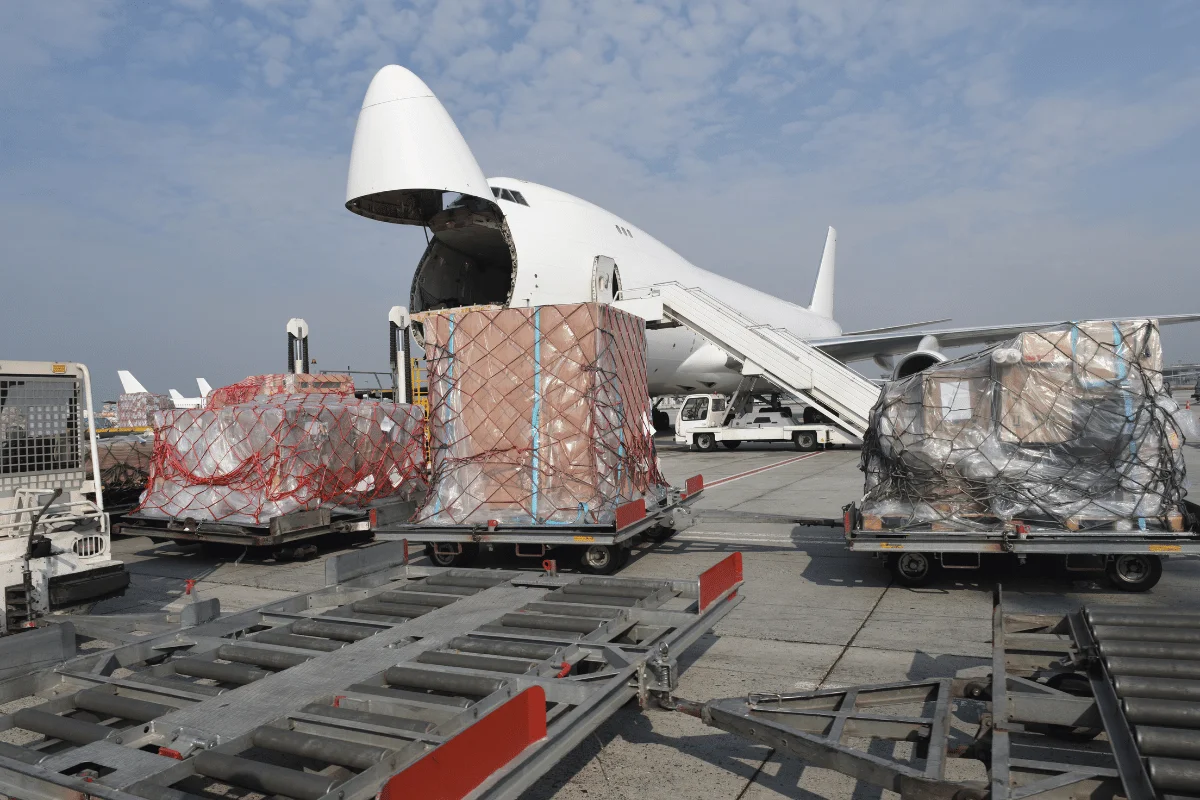

Confused about freight forwarders, carriers, and NVOCCs? Get a clear breakdown of their roles in shipping.
Making sense of these distinctions can help you optimize your logistics and make better decisions. Let’s explore what sets these two apart to ensure your shipping strategy is as efficient and effective as possible.

TL;DR – Freight Forwarder vs. Carrier
Here’s a quick freight forwarder vs carrier overview:
| Freight Forwarder | Carrier |
| A person or company that coordinates the shipment of goods between shippers and carriers, acting as an intermediary. | A company that owns and operates transportation assets such as airplanes and ships and does the actual shipping of cargo. |
| Pros | Pros |
|
|
| Cons | Cons |
|
|
| Best For | Best For |
| Shippers looking for end-to-end shipping solutions rather than just transportation. | Larger businesses often ship in large volumes and have a dedicated logistics team. |
If you own an SMB, you’ll need a digital freight forwarder to help you navigate the complexities of domestic and international shipping. Ship4wd’s digital freight-forwarding solutions can streamline your shipping processes and connect you with the most efficient and cost-effective carriers.
Besides, we act as a single point of contact to save you the trouble of coordinating different service providers.
Create a free Ship4wd account today to optimize your entire shipping process through innovative digital freight forwarding solutions.
What is a Carrier?
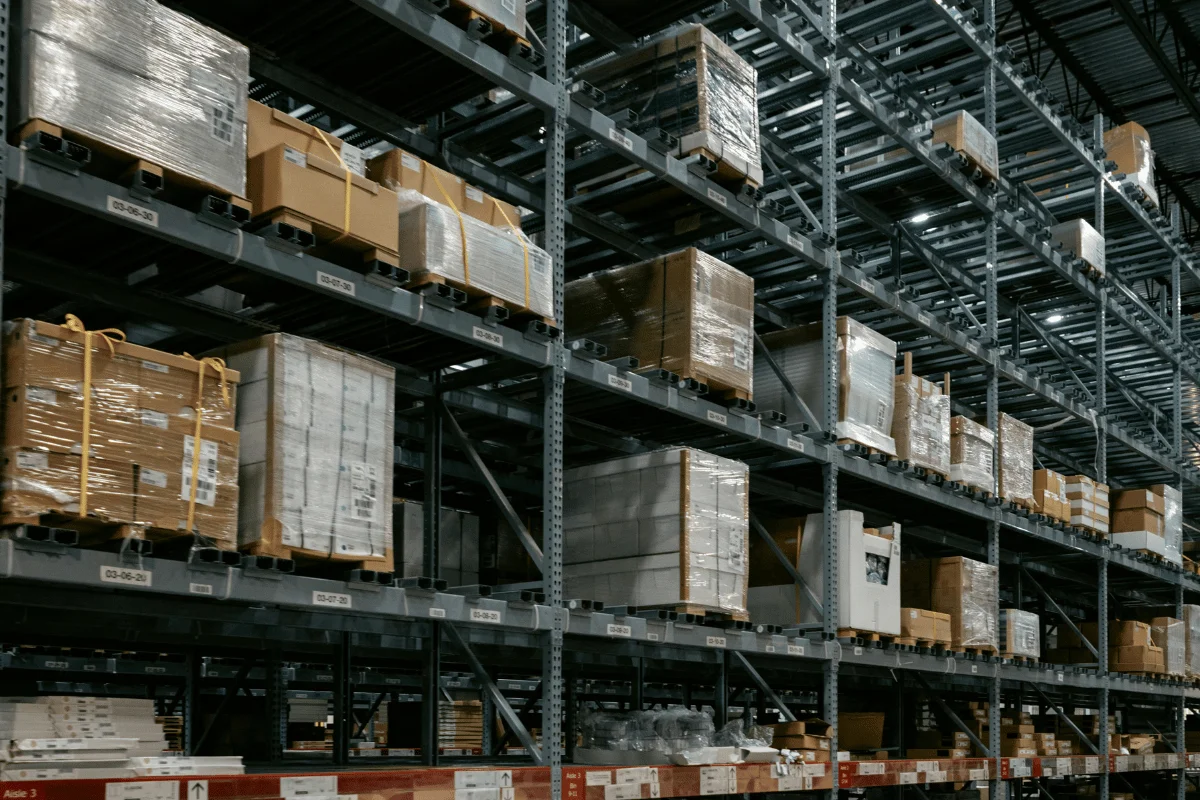
A carrier is the entity that owns and operates the physical means of transportation used to move goods. Carriers are responsible for the actual shipment of cargo and include various types of companies:
- Shipping lines: Operators of vessels such as container ships, bulk carriers, and tankers.
- Airlines: Companies that manage aircraft for cargo transportation.
- Trucking companies: Businesses that own and operate trucks for overland freight.
- Rail operators: Entities that provide train-based cargo transportation.
Carriers are integral to the global supply chain, ensuring cargo is transported safely, securely, and on schedule. Their core responsibilities include:
- Transporting goods across different modes, such as ocean, air, road, and rail.
- Maintaining their fleets and equipment to meet industry standards.
- Providing tracking services to update shippers on cargo status.
- Offering specialized solutions for unique cargo, like refrigerated goods or hazardous materials.
Many carriers focus on specific trade routes, geographical regions, or industries—from automotive to pharmaceuticals—tailoring their services to meet specialized demands.
While some businesses may choose to work directly with carriers, this approach often suits larger organizations with significant shipping volumes and dedicated logistics teams. Without this expertise, managing negotiations and operational complexities can be challenging.

What is a Freight Forwarder?
A freight forwarder is a logistics expert specializing in managing and coordinating the transportation of goods for shippers. Unlike carriers, freight forwarders don’t own the vehicles or vessels used to move goods. Instead, they leverage a vast network of carriers to find cost-effective and efficient solutions for their clients. This distinction highlights the freight forwarder and carrier difference.
Key responsibilities of a freight forwarder include:
- Providing shipping quotes.
- Booking cargo space with carriers.
- Coordinating and managing freight transportation.
- Assisting with and submitting shipping documentation.
- Managing and facilitating customs clearance procedures.
- Advising on packaging, labeling, and cargo handling.
- Offering cargo insurance options.
- Conducting pre-shipment inspections.
- Tracking and monitoring shipments.
- Troubleshooting and resolving any issues that arise.
Freight forwarders act as intermediaries, ensuring every aspect of your shipment—from documentation to delivery—is handled seamlessly. Their expertise in international trade regulations and logistics makes them invaluable partners for businesses navigating complex shipping requirements.
What is a Digital Freight Forwarder?
A digital freight forwarder takes traditional freight forwarding services to the next level by incorporating advanced technology. These platforms combine essential logistics functions—like booking, tracking, customs clearance, and payment—into one user-friendly interface.
By automating manual processes, digital freight forwarders simplify supply chain management and help businesses improve efficiency. This modern approach offers a convenient solution for managing shipments, making it easier to adapt to the fast-paced world of global trade.
Benefits of Working with a Freight Forwarder
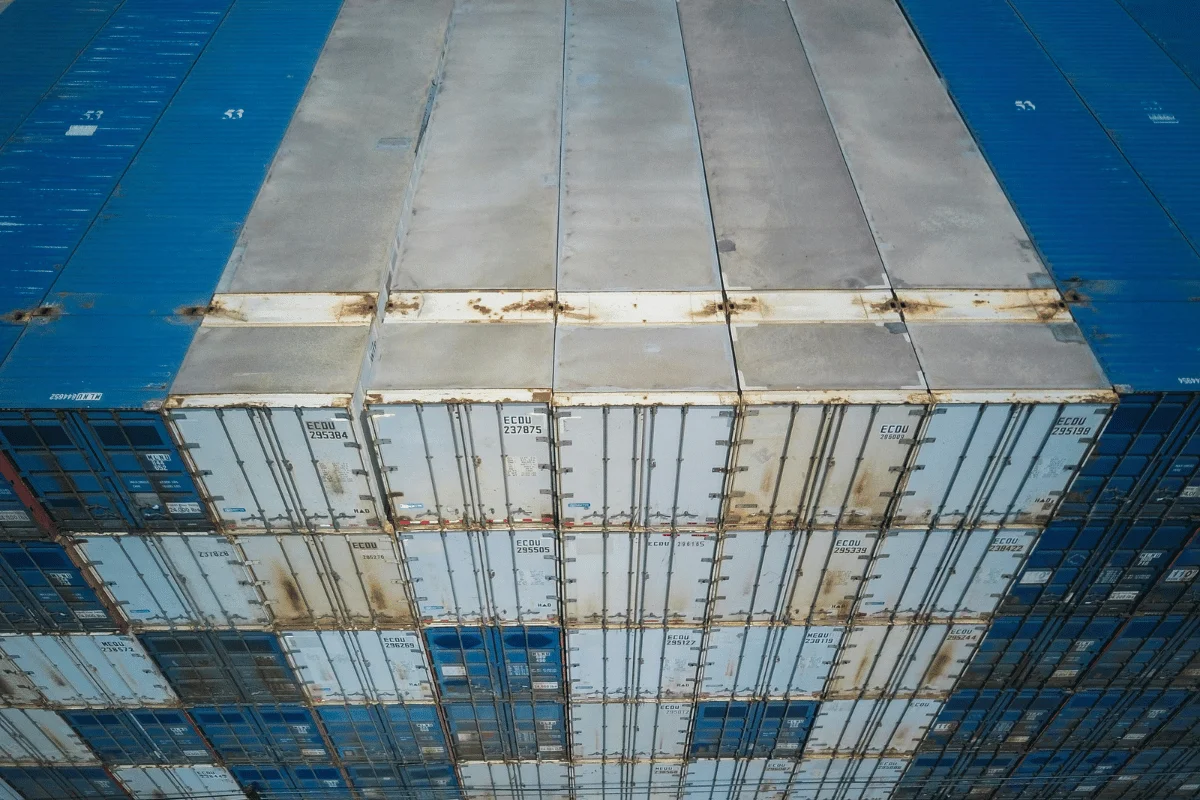
For business owners, partnering with a reputable carrier and freight forwarder can bring several key benefits:
Simplified Shipping Process
A freight forwarder streamlines the shipping process by managing multiple aspects of transportation, customs clearance, and documentation for you. They act as your single point of contact, saving you the hassle of coordinating with various carriers and agencies.
Cost Savings
Thanks to their extensive network of carriers and strong industry relationships, freight forwarders can often secure competitive rates for transportation services. They also help optimize routing and consolidate shipments, reducing overall shipping costs.
Expertise and Guidance
Freight forwarders bring in-depth knowledge of global trade regulations, customs requirements, and logistics best practices. They provide valuable guidance on shipping, documentation, and compliance, helping you avoid costly mistakes and delays.
Flexibility and Scalability
Freight forwarders can handle a variety of shipping needs, whether you need Air Freight for faster delivery, Full Container Loads (FCL) for larger shipments, or Less than Container Loads (LCL) for smaller ones. They offer flexibility in transportation modes, routes, schedules, and shipment sizes, making it easy to scale your shipping operations as your business grows.
Risk Mitigation
Freight forwarders help reduce the risks of international shipping by offering cargo insurance to protect your goods against loss or damage in transit. Their expertise in customs compliance and documentation also lowers the chances of delays, penalties, or seizures at the border.

Key Differences Between Freight Forwarders and Carriers
Here’s how freight forwarders and carriers compare across different aspects:
| Freight Forwarder | Carrier | |
| Role in Supply Chain | Coordinates shipments from Point A to Point B on behalf of shippers. | Focuses on physically moving goods from Point A to Point B. |
| Ownership of Assets | Does not own the transportation assets. Those that double up as carriers own transportation assets. | Owns physical means of transportation. |
| Responsibility | Main focus is on logistics and overseeing the shipment process without physically moving cargo. | Manages the physical movement of goods, ensuring they reach their destination safely and timely. |
| Types of Freight Handled | Typically focus more on air shipping and ocean freight but can also manage road freight and rail freight. | Handles road freight, air freight, rail freight, and ocean freight. |
| Legal Liability | No direct legal liability as they do not interact physically with goods. However, they are liable for incompetence or neglect that leads to cargo damage or loss. | Has direct legal liability as they take physical ownership of the cargo. |
| Services Provided | Wide range of end-to-end shipping solutions, including air and ocean shipping, customs clearance, and cargo insurance. | Focuses mainly on physical transportation but may also offer consolidation, deconsolidation, last-mile deliveries, and storage. |
| Pricing Model | Dynamic pricing models that provide real-time quotes depending on demand, supply, fuel price changes, and more. Prices are typically based on the cost of transportation, additional services, and administration fees. | Typically relies on legacy pricing models based on spot rates, contract rates, or single-source pricing. |
| Customer Interaction | Direct interactions with shippers, but with more room for tailored solutions and long-lasting partnerships. | Direct interactions with shippers, but the relationships are more transactional and temporary. |
Let’s dive into the main differences between a freight forwarder and a carrier:
Scope of Services
Freight forwarders are like logistics multitaskers. They handle everything from booking transportation to managing customs clearance and documentation. Think of them as your all-in-one shipping partner, making the process as seamless as possible.
Carriers, on the other hand, focus on the actual transportation of goods. They specialise in specific modes of transport—like ocean, air, road, or rail—and ensure your cargo gets from point A to point B.
Asset Ownership
Carriers own and operate the transport assets, whether it’s ships, planes, trucks, or trains. They maintain these assets and are directly responsible for their operation.
Freight forwarders don’t own transport assets. Instead, they work with a network of carriers to move goods. This highlights a core freight forwarder and carrier difference: forwarders coordinate, while carriers transport.
Expertise and Knowledge
When comparing a freight forwarder vs a carrier, it’s important to understand the distinct roles each plays in the shipping process. Freight forwarders are experts in international trade regulations, documentation, and logistics best practices. They provide valuable guidance to shippers, helping them navigate the complexities of global shipping. Leveraging strong relationships with various carriers, they offer a seamless end-to-end solution, connecting different transportation modes to create an efficient shipping network.
Carriers, on the other hand, specialize in the operational aspects of transportation, focusing on the safe and efficient movement of goods. Their expertise is in route planning, cargo handling, and transportation management. They excel in their specific mode of transport, ensuring that cargo reaches its destination securely and on time. Understanding the differences between a freight forwarder and a carrier can help businesses choose the right partner for their shipping needs.
Customer Relationship
Freight forwarders are there to support shippers every step of the way, becoming trusted partners in the shipping process. They focus on providing excellent customer service and offering solutions that cover everything from transportation to customs clearance, even insurance. By using different shipping methods like air and ocean freight, freight forwarders can customize their approach to meet the needs of each client—whether you’re a business owner or a logistics manager.
On the other hand, carriers have a more straightforward, transactional relationship with shippers. Their main priority is moving goods efficiently and safely. While they’re focused on providing reliable transportation, they’re generally better suited to larger businesses with bigger shipping volumes. Carriers specialize in specific modes of transport, ensuring that your cargo gets to where it needs to go, on time and in one piece.
Similarities and Differences
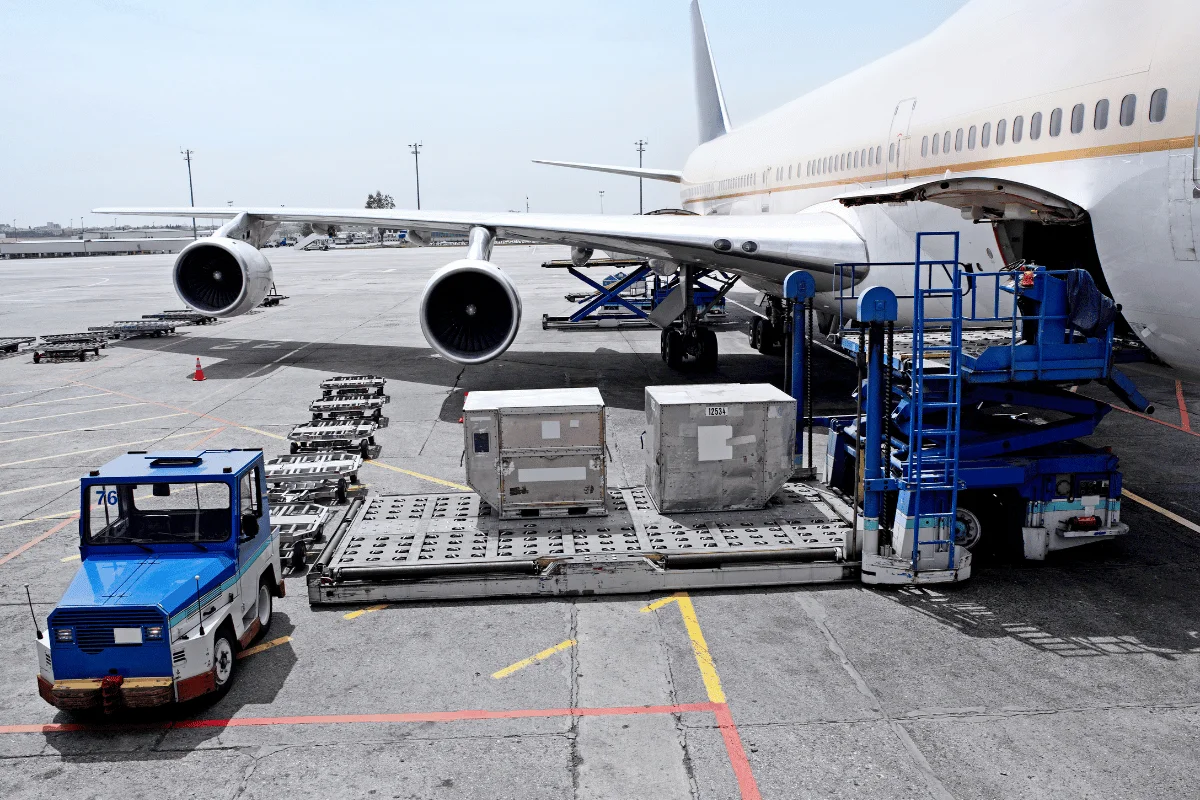
Let’s discuss further some key similarities and differences between the two service providers based on the aspects above:
Freight Forwarder and Carrier Differences
Freight forwarders and carriers differ in the following ways:
- Roles and Responsibilities: Freight forwarders are intermediaries between shippers and carriers, focused on simplifying logistics for shippers. They execute greater responsibilities than carriers, who mainly move cargo physically between the origin and destination.
- Legal Liability: Freight forwarders do not take legal ownership of cargo, meaning they do not typically issue their own bills of lading. Carriers interact with cargo physically and are liable for damage or loss. They also issue their own bills of lading.
Freight Forwarder and Carrier Similarities
Both freight forwarders and carriers handle the same types of freight. You can enjoy air freight shipping and FCL shipping or LCL ocean freight services.
Both providers also offer inland transportation services by rail or road, depending on the company. You can also enjoy specialized logistics solutions, such as dangerous goods shipping.
What About NVOCC?
A Non-Vessel-Owning Common Carrier, or NVOCC, is an entity that acts as a carrier for shippers without owning or operating transportation assets.
An NVOCC and a freight forwarder are similar in some ways.
NVOCCs primarily offer ocean freight shipping and also act as ocean freight forwarders. They are considered intermediaries between shippers and Vessel-Operating Common Carriers (VOCCs).
You can choose an NVOCC vs. a freight forwarder if you are primarily interested in ocean shipping, especially along a specific shipping route.
However, if you require both air freight and ocean shipping services as well as other value-added logistics solutions, it’s better to work with a freight forwarder.
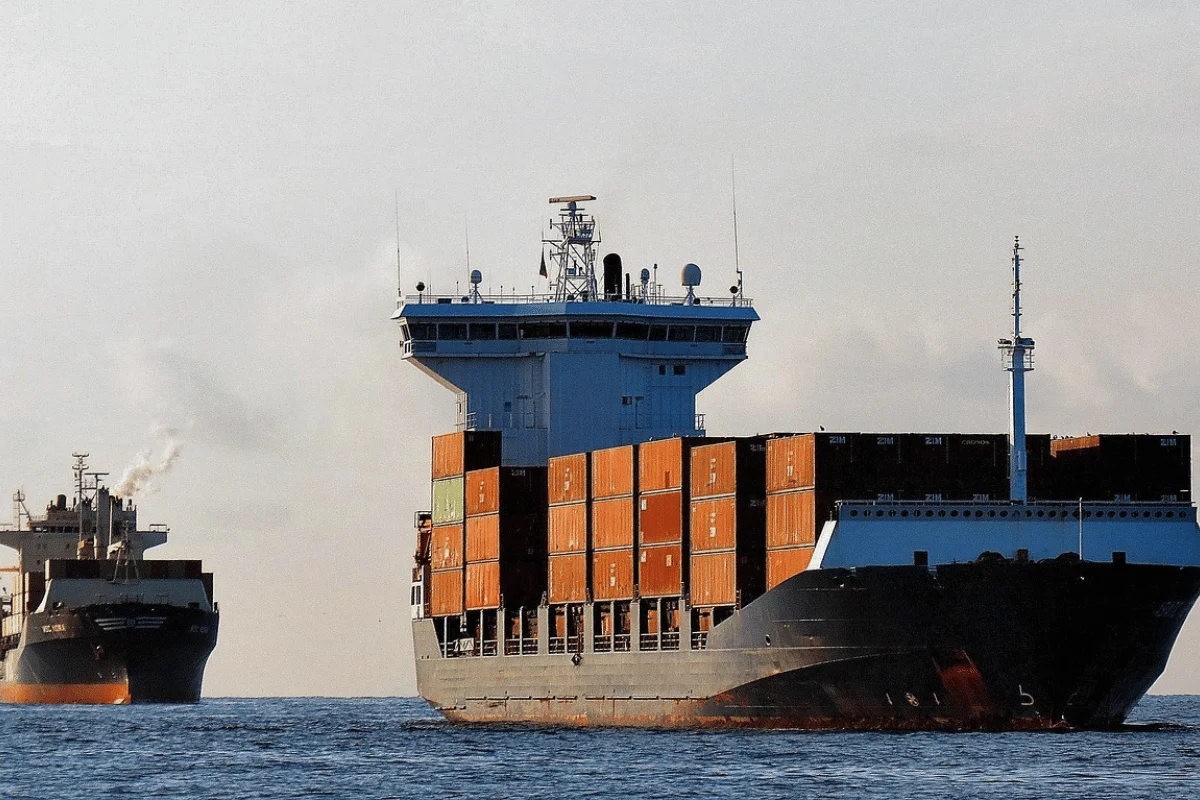
Streamlining Your Global Shipping with Ship4wd
Shipping internationally can feel like a maze, but with the right partner, it doesn’t have to be. That’s where Ship4wd comes in, offering a seamless, efficient way to manage your global shipping needs. Here’s how we can make the process smoother for you:
Easy Booking & Shipment Management
Our user-friendly platform makes it simple to book and manage shipments. Say goodbye to the stress of dealing with complex logistics.
Expertise in All Shipping Modes
Whether you need Air Freight for faster deliveries, Full Container Load (FCL) for larger shipments, or Less Than Container Load (LCL) for smaller loads, we’ve got you covered. Ship4wd offers a wide range of shipping options to suit your needs.
Competitive Pricing & Exceptional Service
We offer competitive quotes while ensuring that your shipments receive the highest level of care and professionalism.
Value-Added Services
Beyond standard shipping, Ship4wd provides essential services like:
- Cargo insurance to protect your goods
- Advanced tracking to stay updated every step of the way
- Customs clearance to avoid delays
- Pre-shipment inspections for peace of mind
- Financing solutions for eligible businesses
- 24/7 Customer Support – Our dedicated support team is always available to help, ensuring you have the assistance you need, no matter the time.
Getting Started with Ship4wd
With Ship4wd by your side, you can confidently navigate the complexities of international shipping. We make sure your logistics are handled professionally, so you can focus on growing your business.
Ready to get started? Register with Ship4wd today and discover how our services can help you optimize your global shipping strategy.
Frequently Asked Questions (FAQs)
Let’s close with some common questions about freight forwarders and carriers:
Does a Freight Forwarder Own Transportation Assets Like Trucks or Ships?
No. A freight forwarder usually doesn’t own or operate transportation assets like ships, trucks, trains, or airplanes.
However, some larger companies may have their own vessels and double up as carriers.
How Do Freight Forwarders and Carriers Work Together in Shipping?
Both freight forwarders and carriers serve shippers by helping them move goods from one place to another, with various additional services in between.
Freight forwarders specifically bridge the gap between shippers and carriers. They help shippers find the most cost-effective and efficient carriers, while they connect carriers with shippers looking for transportation but can’t deal directly with the carrier.
Which One Should I Use for International Shipping: Freight Forwarder or Carrier?
Working with a freight forwarder for international shipping will yield better results.
They have greater experience and expertise in complex global shipping processes, customs clearance, documentation, and regulations.
Do Freight Forwarders Handle Customs Clearance?
Yes, some freight forwarders handle customs clearance. At Ship4wd, we can help you avoid customs clearance delays by resolving issues, ensuring compliance, paying customs duties and taxes on your behalf, and handling customs documents.
Bottom Line
Choosing between a freight forwarder and a carrier doesn’t have to be complicated.
You can work directly with a carrier if your business is large and ships frequently in large volumes, especially along specific shipping routes. It also helps to use a carrier instead if you already have a dedicated logistics management team.
However, a freight forwarder, especially a digital freight forwarder, is better for SMBs and even larger businesses looking for more end-to-end logistics solutions rather than just the physical movement of cargo.
With Ship4wd, a digital freight forwarder, you can enjoy more services, such as customs clearance, cargo insurance, pre-shipment inspections, and door-to-door freight shipping.
Join Ship4wd today for the best freight forwarding services to streamline all your shipping processes!