



Explore the nuances of ocean freight forwarding and discover why Ship4wd is the best freight forwarding solution for your business.
At the heart of global freight transport is a crucial aspect called ocean freight forwarding. Almost 80 percent of all cargo, including that owned by SMBs and eCommerce business owners, is transported via the world’s waterways using ships and ocean carriers.
With effective ocean freight forwarding services, SMBs and eCommerce business owners can enjoy a streamlined shipping process that makes moving their consignments from halfway across the world much easier, cheaper, and less stressful.
This post provides insights into how you can take advantage of ocean freight forwarding to navigate the often daunting process of international shipping. You can also deploy valuable sea freight forwarding solutions to strengthen your business supply chain and enhance operational effectiveness and efficiency.
What is Ocean Freight Forwarding?
In short, ocean freight forwarding involves facilitating and organizing the transport of goods through shipping vessels or carriers from one country or continent to another.
This is often carried out by experienced ocean freight forwarders who act as middlemen or intermediaries between the importer/exporter (you) and the shipping lines or carriers to ensure smooth cargo transport.
They do this by coordinating the many parts of sea transportation and providing services such as Full-Container Load (FCL) and Less-than-Container Load (LCL) freight forwarding, customs clearance, and more.
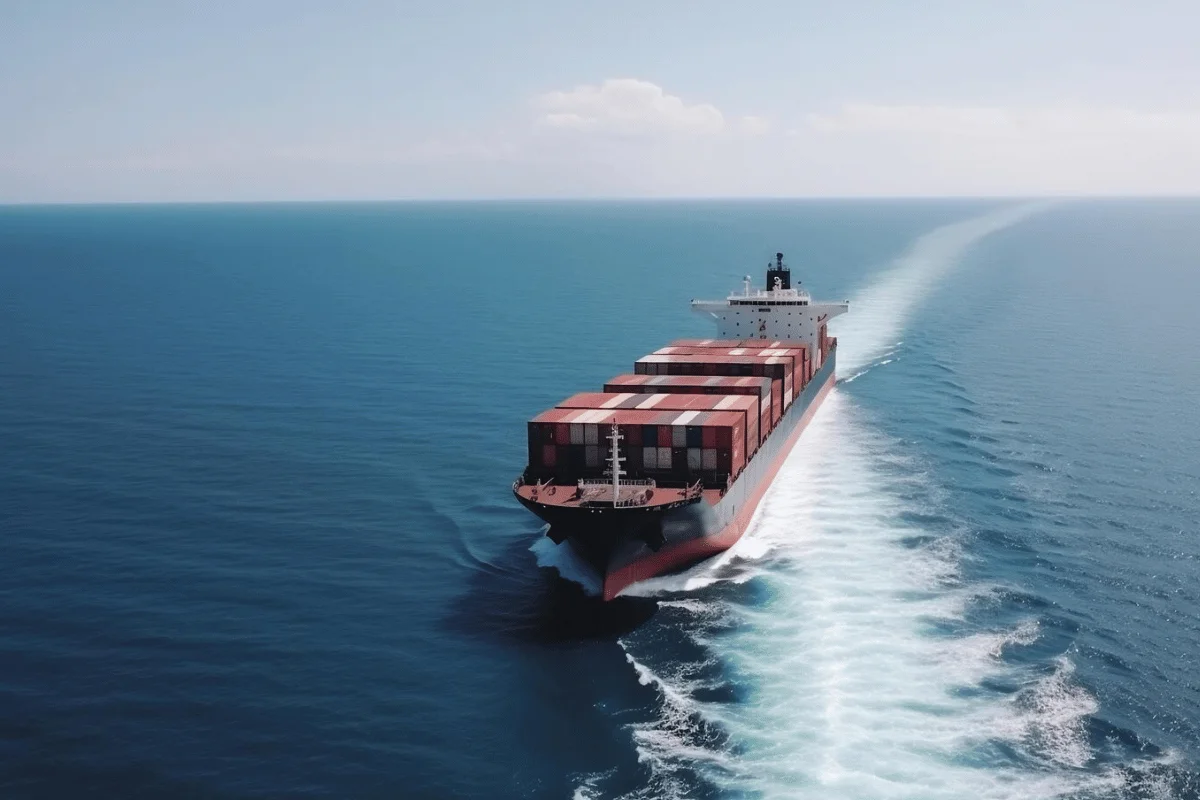
Role of a Freight Forwarder in Sea Freight
Although middlemen, sea freight forwarding professionals help optimize SMBs and eCommerce business supply chains. They can handle everything from organizing shipment pickup in the origin country to door delivery in the destination country.
The range of sea freight forwarding services covers the following:
- Booking spaces in containers
- Facilitating effective cargo pickup and drop-off
- Negotiating fair shipping and container space rates on your behalf
- Ensuring your cargo is in good standing with applicable regulatory compliance
- Ensuring the appropriate handling of cargo so there’s little or no cargo damage
- Identifying the best shipping routes and transport options for faster shipment delivery
- Working with customs officials to clear goods at the port of entry on your behalf
- Preparing and arranging the right paperwork or documentation that allows your cargo to sail through multiple borders smoothly.
Essentially, international ocean freight forwarders provide flexible cross-border logistics solutions and support that translate into significant savings and fast shipment delivery.
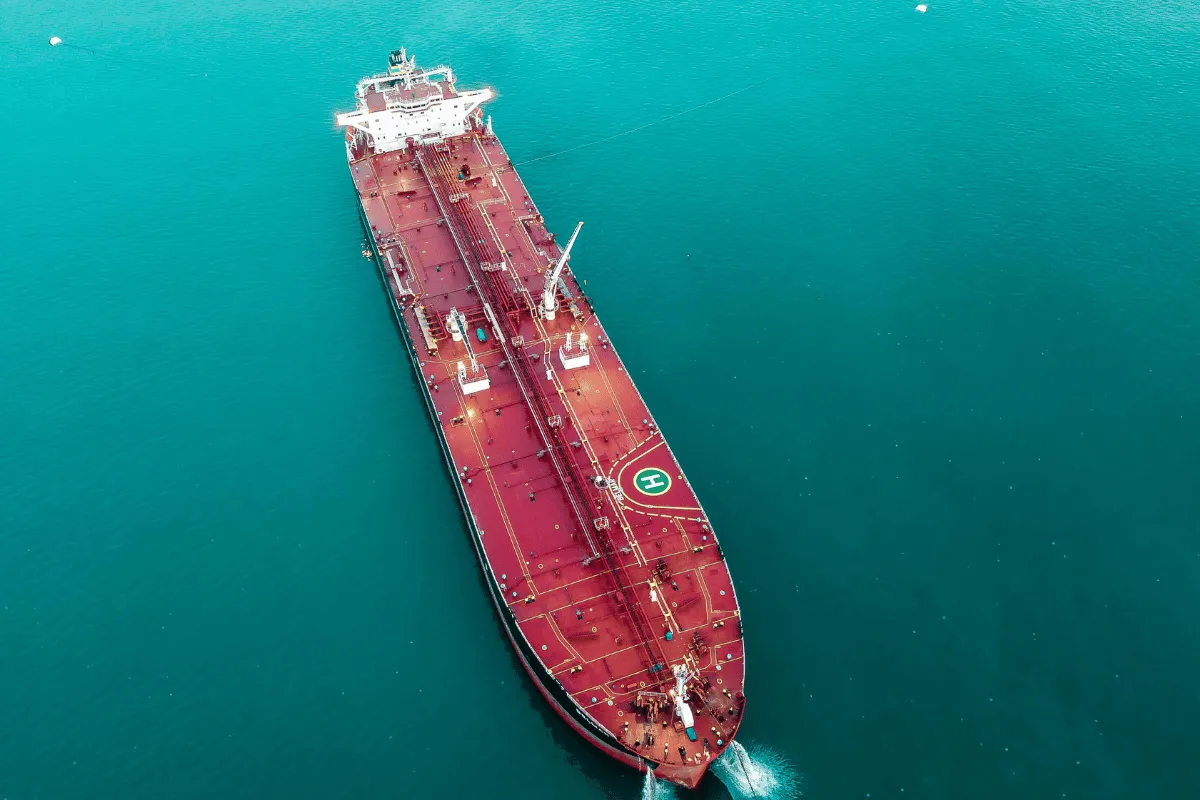
Ocean Freight Forwarding Process
At Ship4wd, our freight forwarding process for sea shipments typically involves the following steps:
1. Export Document Preparation
Our team will procure and arrange vital import/export documents before your goods can be shipped out of the country of origin. These are:
- Bill of Lading (BOL)
- Packing List
- Commercial Invoice
- Certificate of Origin (COO)
- Insurance Certificate
- Letter of Credit (LC) – where necessary
2. Export Transport
This involves picking up the shipper’s cargo from the originating location, e.g., a factory floor or supplier’s address, and sending it via rail, road, or inland waterways to our receiving address.
3. Cargo Inspection
Once it arrives, we will inspect the shipment to ensure it came without any damage and matches the shipper’s order list or booking details.
4. Customs Clearance in Export Country
Per the term of shipping, we will work with a customs broker to clear the cargo from the originating country and get it on the carrier so it can be on its way to the destination country.
5. Customs Clearance in Import Country
With our stress-free customs clearance service, we’ll help clear your goods from customs on time, swiftly move them from the ports, and transport them to our receiving facility or warehouse.
6. Pre-Shipment Cargo Inspection
We’ll assess the state of the goods before shipment to ensure they are in great shape and ready for international shipment to your preferred local destination.
7. Import Haulage or Transport
If you prefer to have the shipment delivered instead of picking it up, our ocean team will make arrangements for import haulage from the warehouse or storage facility.
Ready for fast, easy, and stress-free cargo shipping guaranteed to arrive on time? Sign up with Ship4wd today.
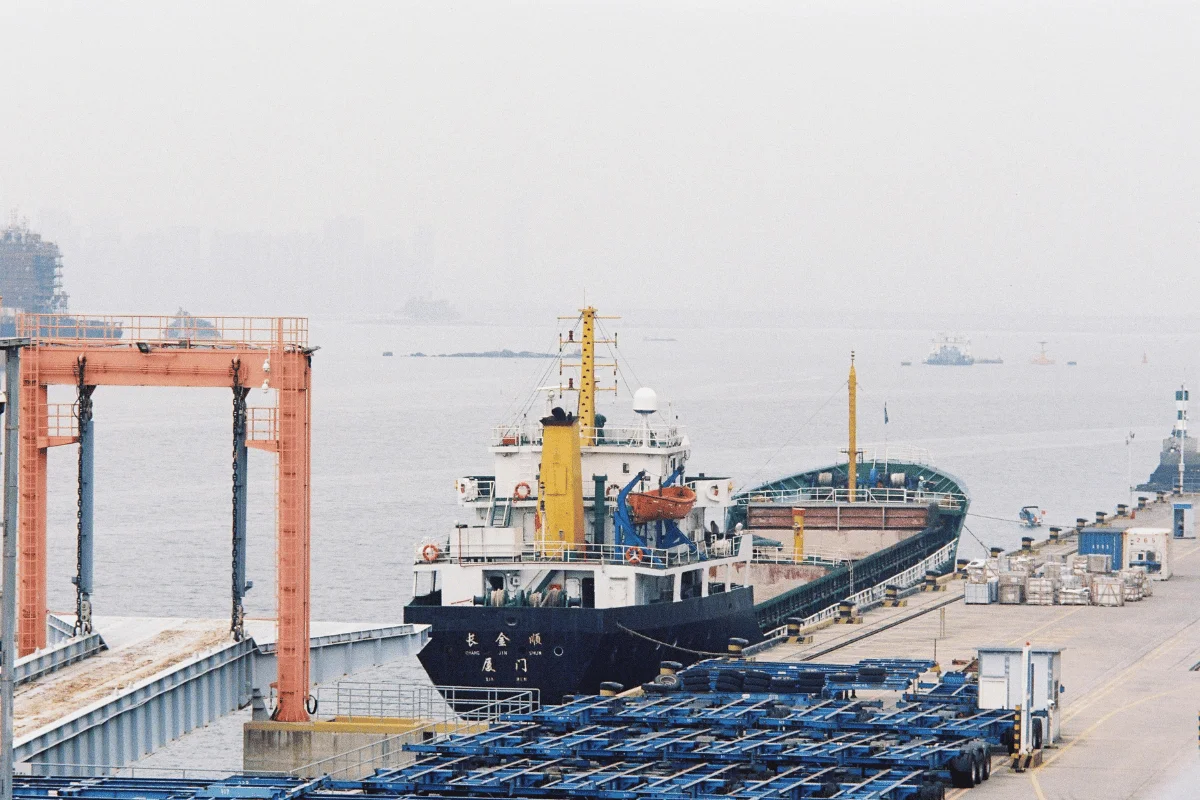
How to Track an Ocean Freight Shipment
Tracking ocean freight refers to the ability to monitor the real-time condition and location of a shipment as it moves between the origin and your designated destination port on a vessel.
The monitoring process can take different forms:
- Using Bill of Lading or Container Number: You can use your bill of lading number or unique container number to track FCL shipments. Input this number in your forwarder’s tracking tool or digital dashboard to get feedback on ports of call, potential delays, transit times, estimated arrival time, and more.
- Monitor Your Forwarder’s Notifications: Most forwarders alert you regularly at different shipping stages. For example, at Ship4wd, we send email alerts that show tracking details such as projected transit shipping times, actual location, and estimated arrival time.
- Contact Customer Support for Updates: If you can’t access tracking information in the above two ways, contacting customer service can help. For instance, our support experts can track your shipment based on its bill of lading number or booking number.

Key Documents Required for Ocean Freight Forwarding
The complexities around ocean freight logistics require documenting everything accurately to minimize disruptions.
You’ll need the key documents below for seamless shipping:
- Bill of Lading: One of the most important documents, the bill of lading comes from the carrier and works as a contract of carriage and proof that they received your goods.
- Commercial Invoice: Your supplier issues you with an international commercial invoice showing the details of the goods, cost, payment terms, and more.
- Certificate of Origin: You may need this document to show the country of origin of the goods for customs duties and to claim cross-border trade agreement benefits.
- Packing List: Each shipment requires a detailed packing list showing the quantity of each type of item in every container or package, among other details.
- Export or Import License: Some countries require an import or export license to trade in certain goods, depending on the destination and type of goods.
- Shipping Instructions: You can supply your freight forwarder with instructions on how they should handle and transport your goods. For example, you can indicate whether they are fragile and require careful handling and transportation.
- Insurance Certificate: Your cargo needs to be covered against loss and damage during handling and transit. The insurance certificate you obtain after taking a suitable policy shows what is covered, the insured risks, and for how much.
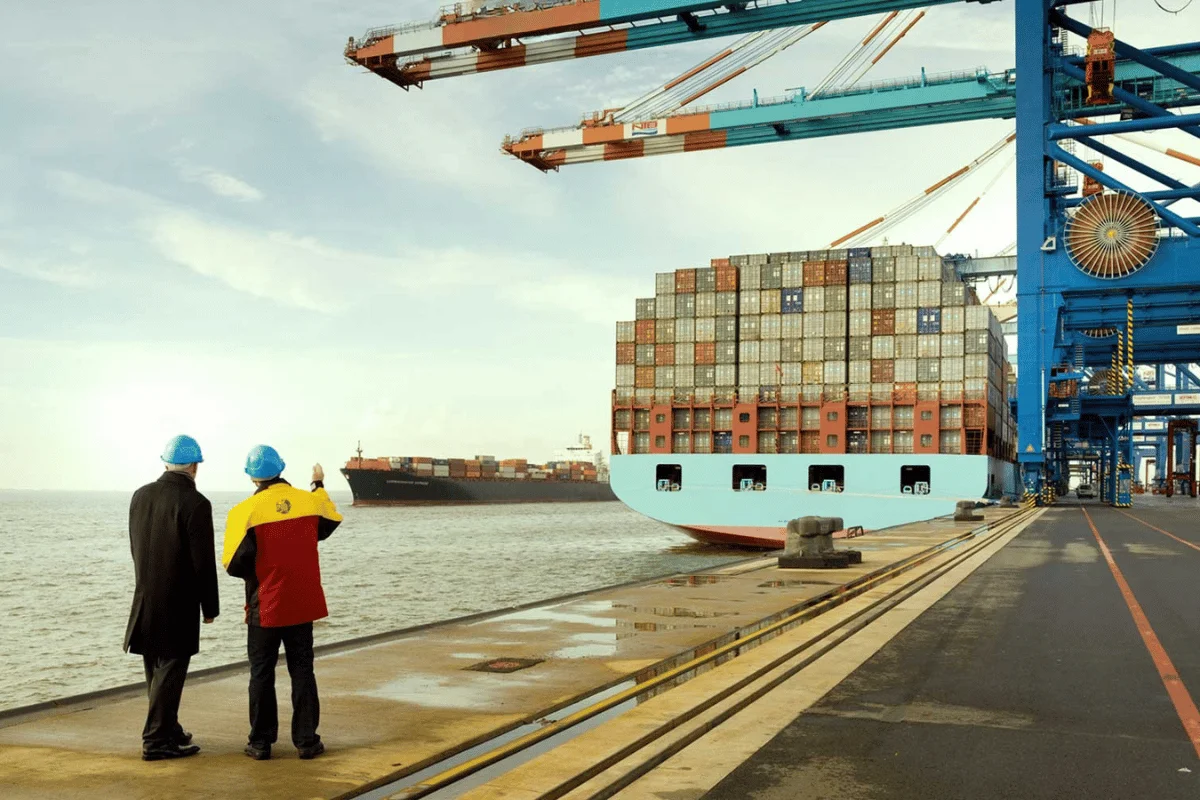
Advantages and Disadvantages of Using Ocean Freight Forwarding
Shipping your freight via waterways has its pros and cons. These include:
| Pros | Cons |
| Cost-effective and cheaper than shipping via air | Takes more time compared to air freight |
| Best for bulky, large, or oversized cargo | Delays may occur due to bad weather, natural disasters, or shipping route disruptions |
| Largely safe due to shipping carriers prioritizing safety protocols | Clearing at the ports may take longer depending on the cargo volume at the ports |
| Minimal in-transit cargo damage or loss | May not be ideal for certain cargo, such as time-sensitive shipments for healthcare purposes |
| Allows for the transport of various cargo sizes | You may lose your container slot to bigger players if there’s a spike in demand |
| Great for transporting hazardous materials or goods | Because sea carriers have a loading timeframe, your cargo may be delayed if you miss the loading window |
| More environmentally friendly transport option | Carriers typically prioritize full-container loads over smaller, less-than-container loads |
Although it has its cons, ocean freight forwarding is a considerably cheaper and more reliable option for SMBs and eCommerce business owners looking for a safe way to transport their goods.
Additionally, at Ship4wd, we have viable solutions to some of these issues. For instance, to minimize disruptions, we provide guaranteed container allocation regardless of shipment size and fast problem resolution, such as shipment rerouting.
How to Choose the Right Ocean Freight Forwarder
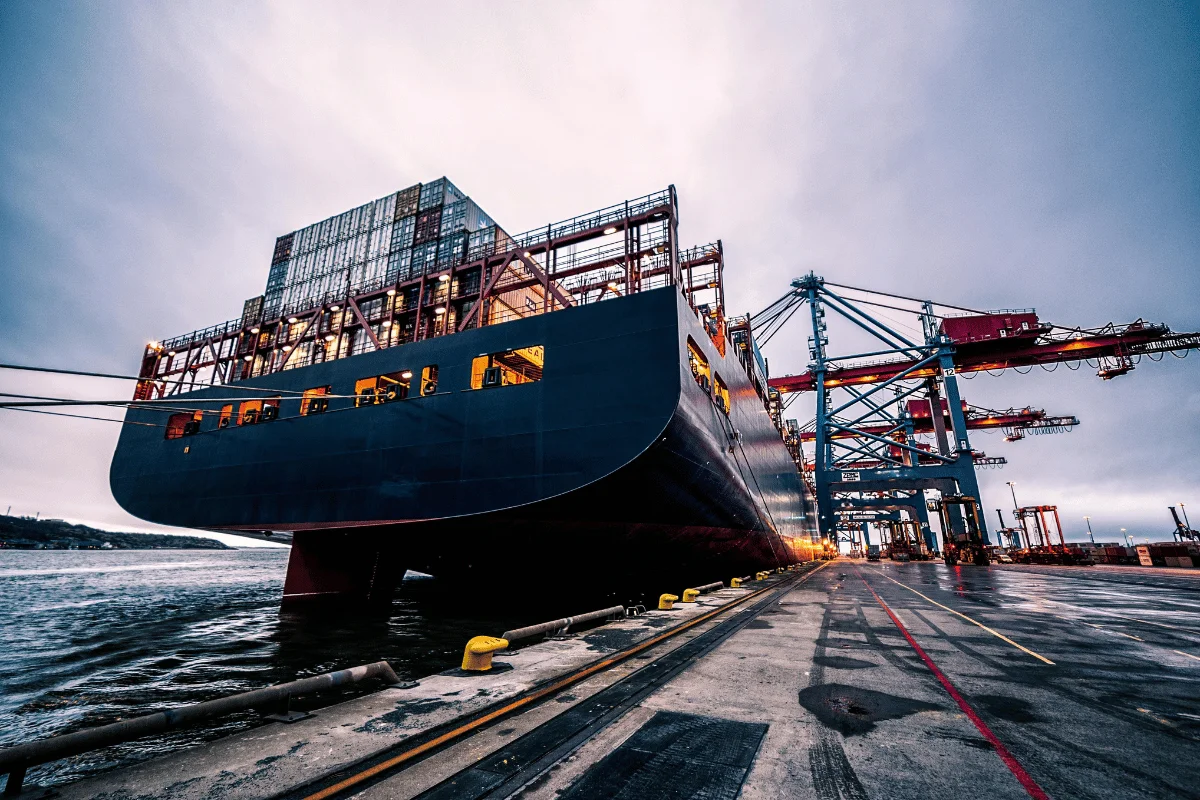
Given the sheer number of ocean freight forwarding companies out there, you may be confused about choosing the best one.
Let’s check out some top considerations to guide you:
- Industry Knowledge and Experience: Ensure the forwarder has extensive expertise and experience in your industry and specific shipping routes.
- Network and Geographic Coverage: Ensure the company has reliable, wide networks with ocean carriers within your key markets and shipping routes.
- Service Offerings: Look for a forwarder with a wide range of ocean freight services. These can include freight forwarding, customs clearance, pre-shipment inspections, cargo insurance, and credit facilities.
- Flexibility and Customizability: Your forwarder should be flexible enough to adapt to your specific shipping requirements. They should also be able to scale and customize their services to suit your growing business and needs.
- Technology: A good forwarder should have reliable modern technology for comparing ocean freight shipping rates, booking shipments, tracking cargo, and prompt communication.
To choose the right ocean freight forwarder, research and compare different providers for these traits.
Additionally, ask fellow businesses to recommend the ones they trust. Online reviews are also great.
Shortlist promising candidates and ask them for quotes and cost breakdowns. Check for transparency and clarity regarding the freight forwarder pricing.
You can contact your final options to discuss your specific shipping needs, making it easier to decide on the one that best reflects your business goals.
Top Challenges in Ocean Freight Forwarding and How to Overcome Them
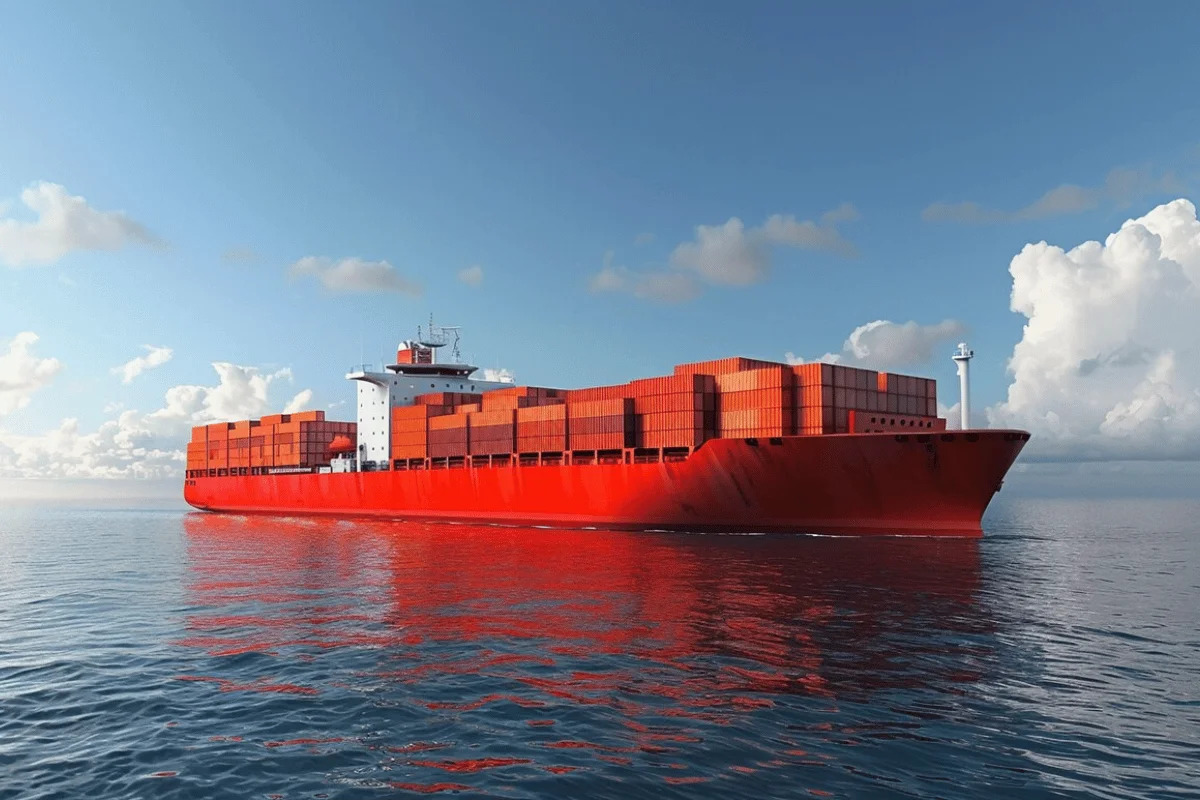
Even if you complete all procedures and have all documents, you are likely to encounter some challenges in ocean shipping.
Let’s look at the common ones and how to avoid them:
- Losing Cargo Space to Bigger Businesses: During peak times, traditional and large forwarders often favor large shippers. You may even lose the space you booked earlier if you are an SMB. The solution is to work with a forwarder that guarantees space allocation regardless of your shipping volume. (At Ship4wd, we are the only forwarder offering guaranteed space allocation.)
- Cargo Delays: Your cargo may be delayed by bad weather, port congestion, customs clearance delays, or route disruptions. Proactive risk management and fast problem resolution can help minimize delays.
- Poor Shipment Visibility: Not knowing your shipment’s real-time location and condition can lead to anxiety, customer dissatisfaction, and loss of business. Work with a freight forwarder that offers 100% shipment tracking and updates you can share with your customers.
- Complex Regulations: The regulatory environment in shipping can be complex, requiring years of knowledge and experience. A good forwarder has a wealth of knowledge and years of experience in international ocean freight shipping, including handling complicated customs clearance processes.
- Unpredictable Transit Times: Predicting ocean transit times is tricky. They depend on weather conditions, customs delays, port efficiency, vessel speed, and other factors. You can reduce the impact on your shipping schedules by accessing real-time cargo tracking and updates through your freight forwarder.
Best Ocean Freight Forwarding Services
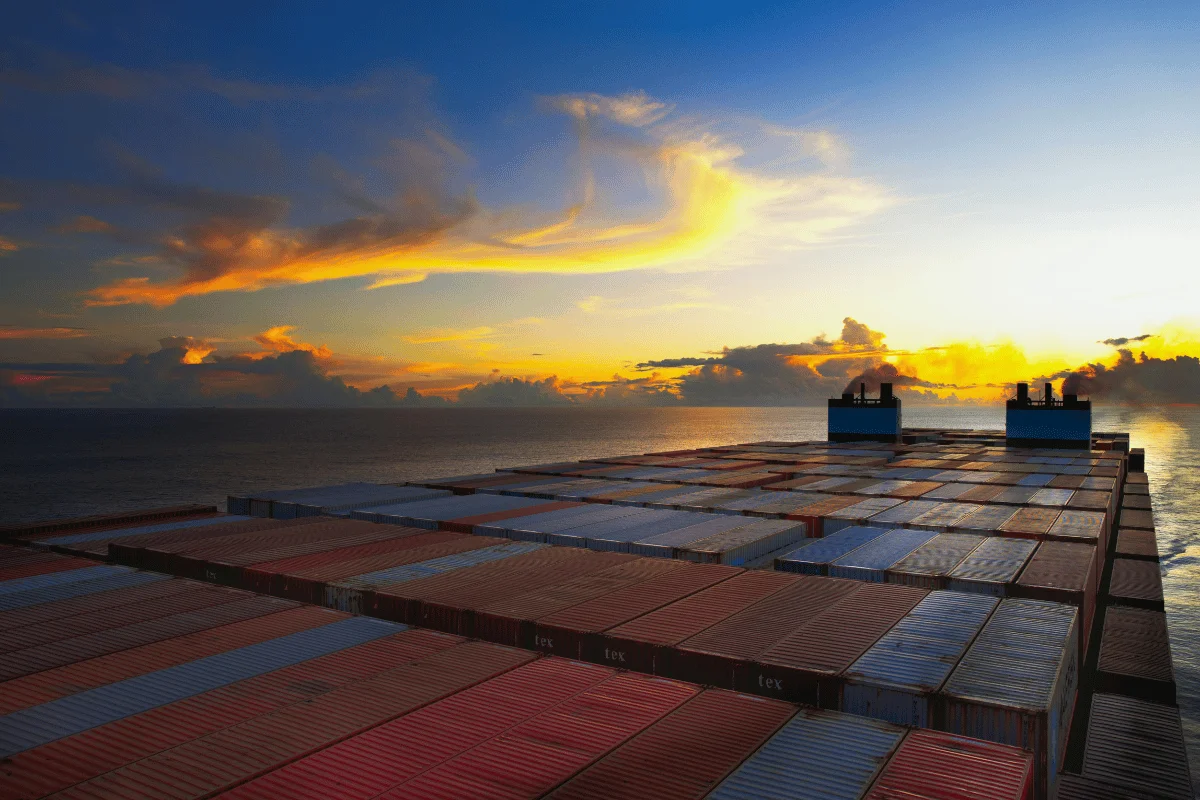
If you’re looking for the best sea freight forwarder, look no further than Ship4wd. Our digital ocean freight forwarding service helps SMBs and eCommerce businesses scale their operations, expand their global reach, and grow their customer base.
With our services, you’ll enjoy the following benefits:
- Instant quoting and booking
- FCL shipping and LCL freight forwarding services
- Guaranteed container allocation
- 100% shipment visibility and tracking
- 24/7 live customer support
- Optimal shipping routes so your cargo can arrive on time
- Fast problem resolution and effective risk management
- Competitive and transparent pricing without hidden charges or fees
- Cargo insurance and pre-inspection
- End-to-end solutions including door-to-door and port-to-port delivery
- Cargo consolidation and deconsolidation
- Flexible payment options, including a 90-day post-cargo arrival payment period
As an SMB or eCommerce business owner, Ship4wd is your one-stop shop for all ocean freight shipments. Our easy-to-use digital ocean freight forwarding platform makes shipping, tracking, and taking delivery of your cargo stress-free.
Frequently Asked Questions (FAQs)
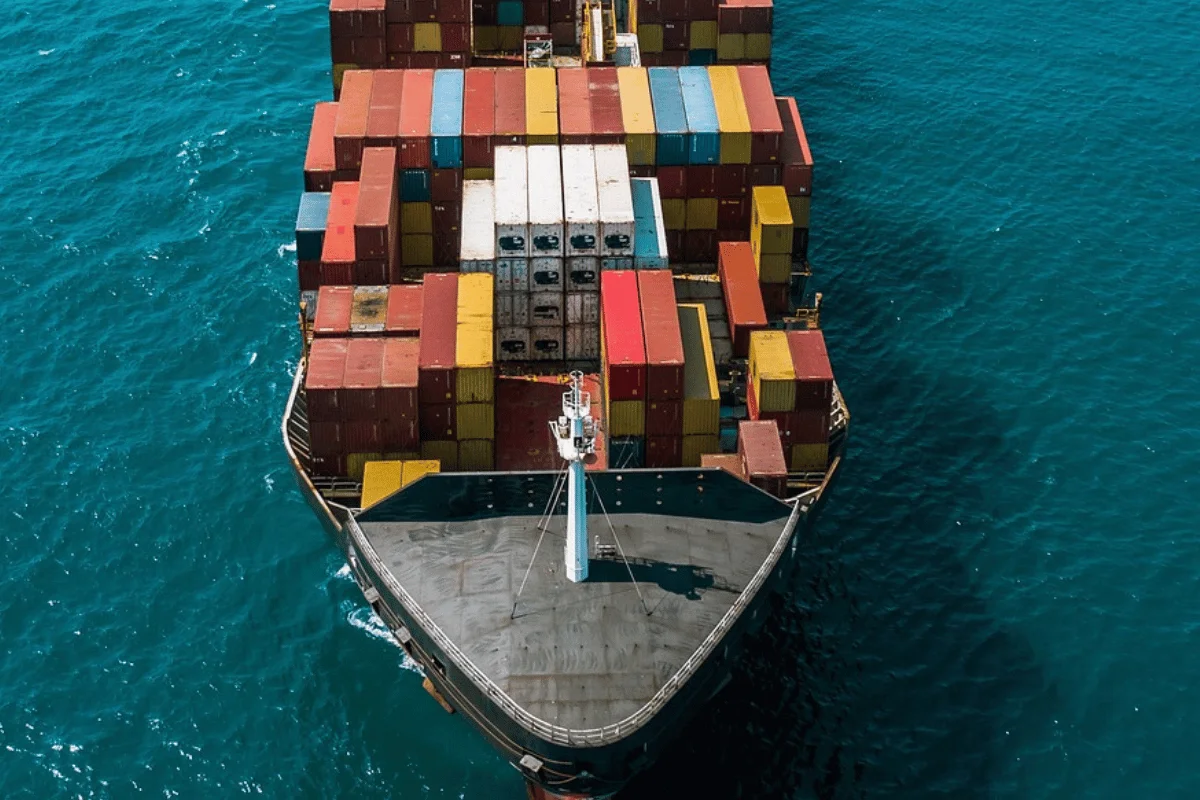
Here are some of the more common questions that we receive from our clients:
What is the Difference Between an Ocean Carrier and a Freight Forwarder?
An ocean carrier provides the ocean liners or ships that transport your goods from the origin port to the port of your destination country. They handle the physical transport of your shipments.
Freight forwarders typically do not have carriers, but they organize and coordinate the transport of your cargo. They work with various professionals, including customs brokers, freight brokers, third-party logistics (3PL) companies, last-mile delivery firms, warehouse operators, and other relevant parties, to pick up and deliver cargo to the preferred destination.
What Are the Factors that Impact Ocean Freight Costs?
Sea freight prices are determined by the weight and size of the cargo, shipment type, fuel prices, market demand and conditions, container size (full or shared containers), seasonality, travel distance, and competition.
Who Pays Ocean Freight in FOB?
FOB incoterm simply means Free On Board. This means that the seller or supplier will pay the cost of transporting your goods from their facility to the shipping port.
Conclusion
SMBs and eCommerce business owners looking for cost-effective shipment transport solutions will benefit from the professional ocean freight forwarding solutions we provide at Ship4wd. With our team, it’s much easier for businesses to expand their global reach if they want to export their goods to other parts of the world and reach new customers.
Through our range of international freight forwarding services, including customs brokering, pre-shipment inspection, round-the-clock shipment tracking, and fast customer service, SMB and eCommerce store operators can enjoy swift cargo delivery to their destinations of choice.
Also, you can enjoy SMB-prioritized allocation that allows bookings up to 2 weeks in advance. This way, you never have to worry about securing a container space or losing out to the big companies whenever there’s a spike in demand for containers. Let’s help you move your goods across the oceans stress-free and timely.