

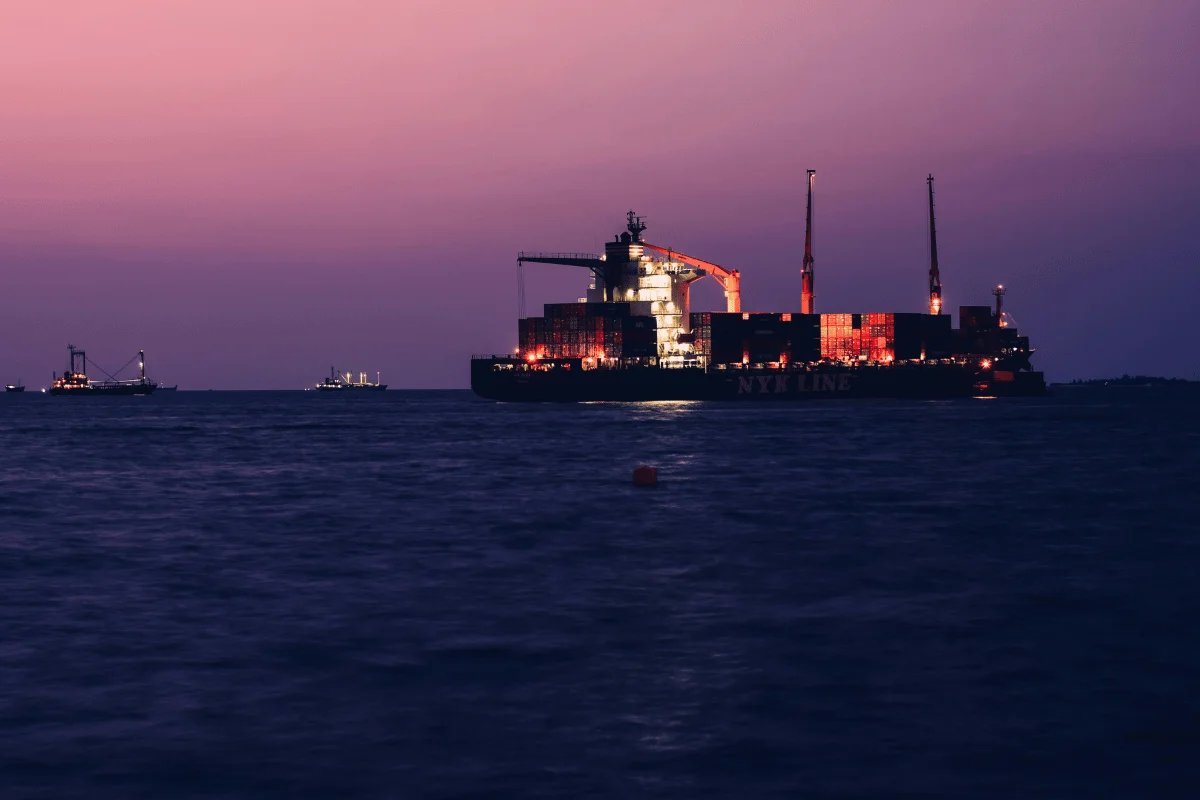

Discover the vital role freight forwarders play in transporting shipments to and from Hawaii.
The Jones Act, enacted over a century ago, has contributed to Hawaii’s high shipping fees and lack of a reliable logistics sector. This has proven to be a barrier for SMBs seeking expansion and growth in the archipelagic state of Hawaii. Although it’s commendable that efforts are being made to amend the legislation, many SMB owners struggle to ship and deliver cargo at reasonable or competitive prices in the meantime.
So, how can you find fair shipping rates to deliver sorely needed products to your customers in Hawaii? This post will show you. In this post, you’ll learn how to navigate these issues and find the best Hawaii freight forwarders for your business.
Meanwhile, if you need to ship your goods to Hawaii, Ship4wd provides a reliable SMB-focused shipping and freight forwarding service. We offer fully digital ocean and air freight forwarding, 24/7 live support, 100% shipment tracking and visibility, and full invoice transparency, among other services.
Sign up with us to enjoy stress-free shipping and logistics in Hawaii.
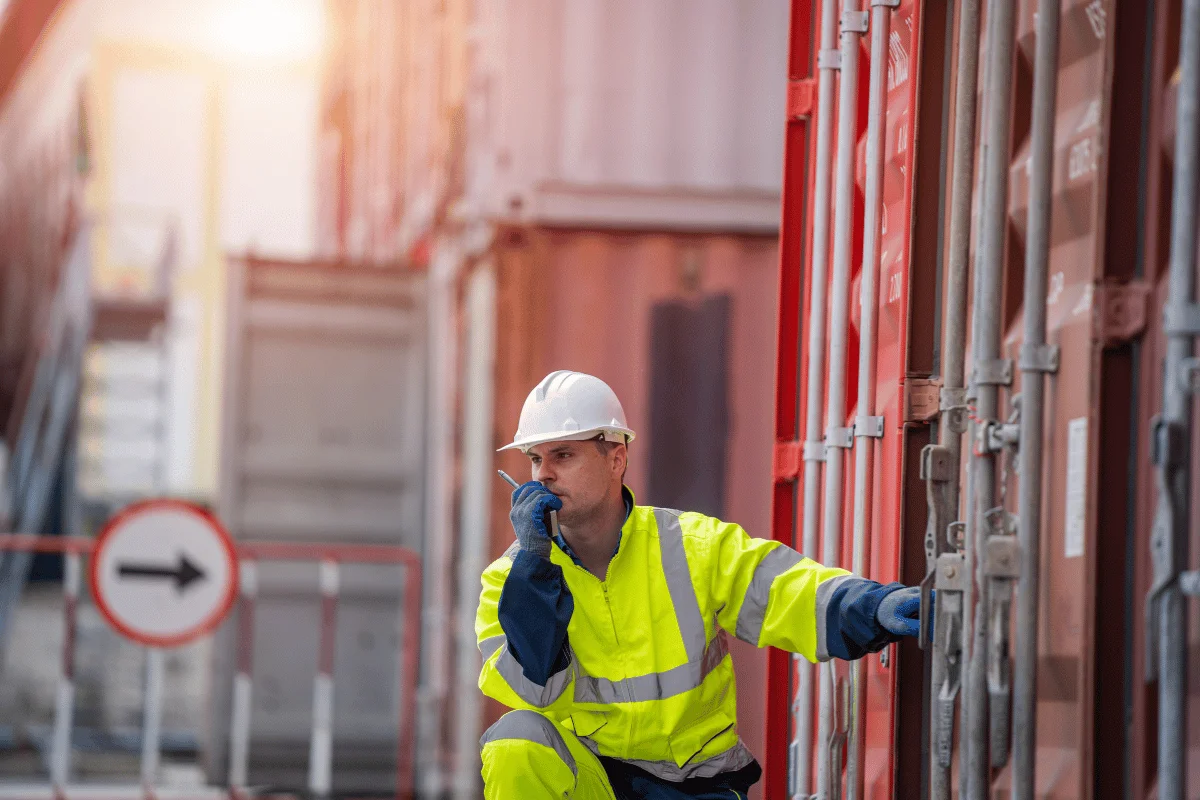
Freight Forwarders in Hawaii vs. Mainland Providers – What Sets Them Apart?
While Hawaiian island and mainland freight forwarders share the fundamental role of coordinating shipments, they differ in the difficulties and solutions they face, given Hawaii’s unique geography and logistical needs.
You might notice differences such as:
1. Super Specialized and Tailored Services
Freight forwarders in Hawaii usually offer highly tailored and specialized services to better meet the islands’ specific and unique needs. For example, many forwarders offer project cargo handling, white-glove deliveries, and expedited air shipping.
Project cargo handling is relevant in the state, especially for industries that rely on heavy equipment, such as construction and agriculture.
2. Asset-Based Shipping Operations
Many Hawaiian freight shipping companies use their own transportation assets and cargo-handling equipment.
Owning assets gives the companies more control over schedules and a competitive advantage to overcome the state’s limited carriers and controlled truck sizes.
Most mainland forwarders do not own these assets as they can easily access them from the many carriers available.
3. Intra-Island and Inter-Island Shipping
Besides mainland-to-Hawaii freight shipping, Hawaiian forwarders ship within and between the islands.
Intra-island and inter-island transportation require deep knowledge of barge schedules, the limited handling capacity of smaller ports, and last-mile island delivery.
4. Scheduling Challenges and Higher Costs
Freight forwarding to and from Hawaii can be more expensive than mainland forwarding because of fewer carrier options and longer shipping distances.
The fewer and less frequent journeys witnessed in Hawaii can result in longer delays than on the mainland.
Mainland service providers have more competitive freight forwarding cost structures because there are many carriers and high competition for business from shippers and importers.
5. Limited Transportation Modes vs. Multimodal Options
Multimodal transport is more possible on the mainland than on the islands.
Mainland freight forwarders can seamlessly integrate air, rail, sea, truckload, and intermodal freight, enjoying higher freight frequency and volume capacity.
Conversely, Hawaii freight forwarding companies must deal with challenge-laden air, sea, and restricted truckload transport.
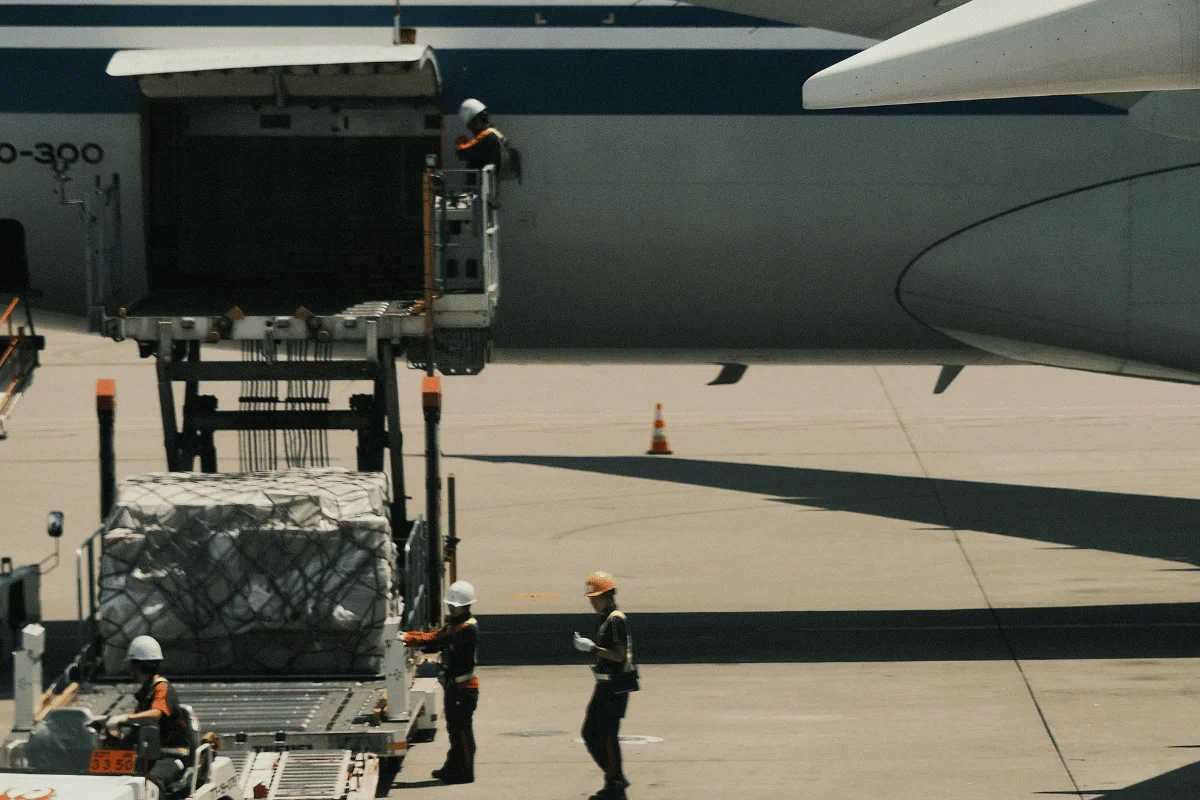
Why Hawaii is a Unique Hub for Freight Forwarding
Hawaii’s geographical location, specifically as a mid-point between mainland USA and Japan, makes it a “gateway” between the West and the East. Its location makes it an effective role player in global trade between the USA and parts of Asia. At the same time, its ports handle an average of 12.4 million tons of freight annually from international and local territories.
Its transshipment hubs and terminals often serve as throughput points for carriers transporting cargo between the North American and Asian continents as well as within the state. Because of this, freight forwarding activities are in demand.
However, importers often require freight forwarders to help coordinate their shipment’s transport from one carrier to another and within the islands. Because of Hawaii’s topography, logistics on the islands are considerably more complex.
So, freight forwarders are required to have unique capacities for:
- Shipping between the islands.
- Coordinating local land transport on each island.
- Organizing air freight to and from various airports in the state.
- Helping importers secure container spaces for their shipments.
- Facilitating the fast and effective transport of temperature-sensitive and perishable in-demand cargo on the island.
These peculiar conditions pose unique challenges to freight forwarders. Therefore, only the experienced can effectively provide the required solutions that allow freight to reach their destinations in tip-top shape.
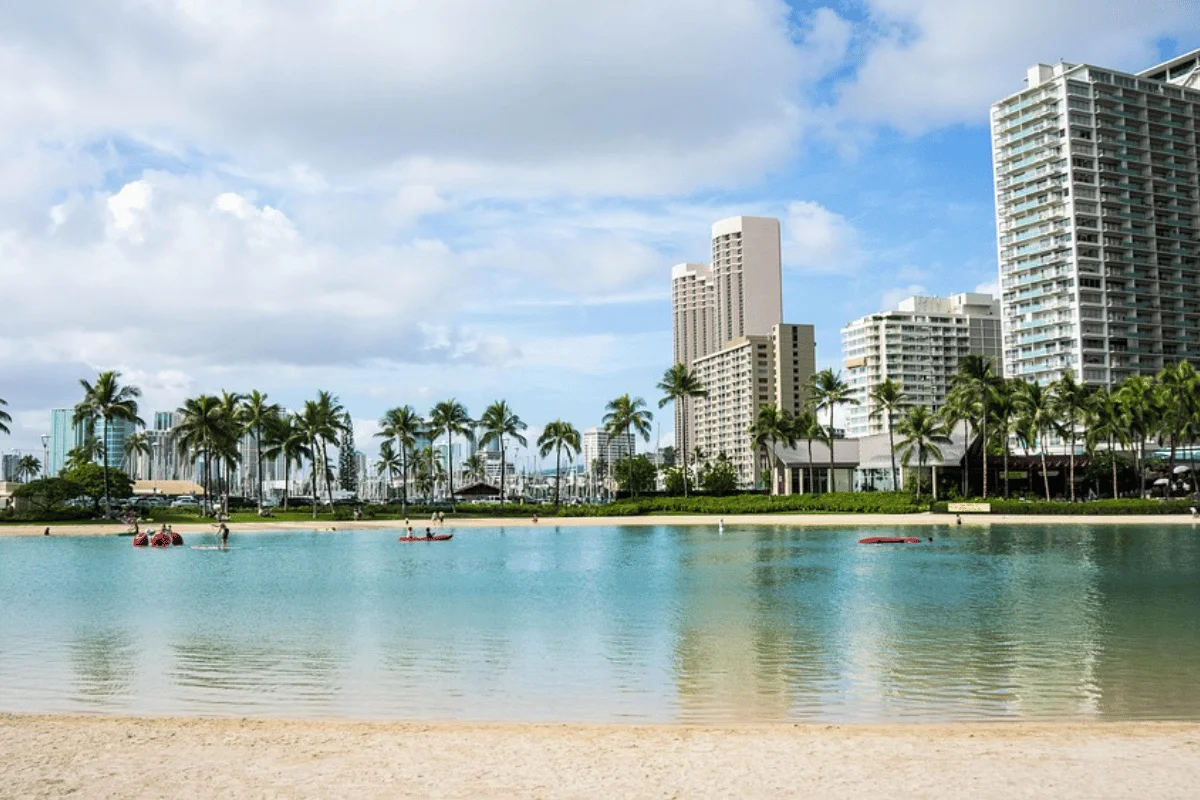
Role of Hawaii Freight Companies in Regional Trade
Hawaii freight companies are important in regional trade because they facilitate the movement of goods within the state and to and from other locations.
Here’s how they help:
1. Job Creation
The Hawaiian freight industry supports the growth of freight companies, which creates many jobs, especially in the maritime sector, because the state relies heavily on ocean freight.
The workers in these companies make trade easy through their knowledge, experience, and service.
2. Connecting Hawaii to the Mainland and Regional Markets
Freight companies help connect the state to the mainland and regional markets for imported products, which Hawaii relies heavily on, and for the state’s exports.
Hawaii exported goods worth $461 million worldwide in 2024. Its export market supports regional and global trade through top exports, such as transportation equipment, petroleum and coal, computer and electronic products, and electrical equipment, components, and appliances.
3. Supporting Industries
The freight industry and companies facilitate the timely and safe delivery of shipments for various industries, serving them directly and indirectly.
Some of the sectors that benefit the most are tourism, agriculture, construction, and retail.
Besides getting goods in time, these industries benefit from the jobs and disposable incomes created by local and foreign-owned companies across hotel, retail, consulting, financial, security, engineering, travel, and insurance services.
4. Fueling Infrastructural Development
Hawaiian freight service providers promote massive infrastructural development to improve statewide and regional trade through a safer, more efficient, sustainable, and accessible intermodal transportation system.
For example, the Hawaiian Department of Transportation’s 2023 Freight Plan update aims to improve the state’s mobility of people and goods to preserve and enhance economic prosperity and quality of life.
Top Challenges Faced by Hawaii Freight Forwarders
While Hawaii’s landscapes and seascapes provide breathtaking views, moving goods between the islands or sending them to the mainland US can be tedious and stressful.
Freight forwarders who coordinate the shipping and transport of cargo on the island often face challenges such as:
- Expensive shipping: Because the Jones Act requires all intra-US shipping to be done on American-built vessels, carrier options are often limited. Also, it costs more to ship like this. In Hawaii, the Jones Act restrictions typically lead to an additional annual shipping cost of $654 million and cost the state over $1.2 billion annually. It’s difficult to justify the extra shipping cost to importers.
- Transport between islands: Hawaii has 8 major islands. While the bulk of its imported goods come through the Honolulu port and Daniel K Inouye International Airport, they have to be sent to the destinations, which may cover a further 137 smaller islands and atolls. This can make freight transport between the various islands difficult and tedious.
- Isolated location: Hawaii is practically isolated from other states within the country. This often translates into longer lead times and higher shipping costs for importers.
- Weather and natural events: Hawaii’s islands are a hotbed of volcanic activity and are prone to other natural disasters. This means that “Acts of God,” such as volcanic eruptions and hurricanes, may disrupt shipment delivery timelines.
- Strict regulations: The regulatory requirements for most goods are fairly standard. However, specific shipments, such as dangerous goods or hazardous materials, agricultural products, wildlife, or fish, require special approvals and pass extra scrutiny to be allowed into the state.
- Lacking infrastructure: The islands’ topography, tiny roads, and scarcity of flat lands often mean a lack of the necessary infrastructure. For example, there are limited or nonexistent loading docks. Also, trailers on these islands have a maximum length requirement of 40 feet instead of the standard 53 feet. This means there’s an increased constraint on the quantity of goods that can be transported by trailers.
- Longer transit times: A lack of warehouse spaces implies that cargo can often be in transit for up to 12 days from the source within the country to their facility. This also means increased dwell times for vessels at the ports. So, SMBs that do not have the capacity for high-volume inventory may suffer significant revenue losses.
This means that unless your freight forwarder is familiar with and knows how to navigate these issues, you may suffer cargo delays or, worse, cargo damage due to many of the factors outlined.
How the Future of Freight Forwarding is Evolving in Hawaii
Importers have been shipping cargo to and through Hawaii for over a century. As a state whose very survival is centered on its maritime operations, Hawaii is taking steps to mitigate its peculiar challenges.
With the emerging state-led initiatives, freight forwarders who play a critical role in the logistics sector are also evolving with the times.
Here are some ways that freight forwarding companies are adapting and preparing for the future:
- Technology adoption: Instead of traditional or manual cargo tracking, freight forwarding companies in Hawaii, like Ship4wd, are deploying innovative real-time tracking solutions. This allows shippers or importers to get instant updates on their freight’s progress.
- Investment in digital transformation: Hawaii freight forwarders are adopting and deploying digital solutions that make it easy for shippers to prepare and instantly submit the right documentation for their cargo. This drastically reduces errors and minimizes customs delays at the ports.
- Fast vessel sourcing: Freight forwarders can now help importers source and find shipping vessels to transport their goods quickly.
- Creating relevant partnerships: Freight forwarders are now creating and leveraging partnerships with established logistics providers in Hawaii to ensure faster and smoother cargo delivery or transport.
With the adoption of new emerging digital technologies like artificial intelligence (AI) and the Internet of Things (IoT), Hawaii freight forwarders can further strengthen the state’s supply chain, reduce its inefficiencies, and build a robust logistics sector.
This will allow the Aloha state to further cement its position as a critical player in global trade.
Key Considerations in Hawaii Freight Shipping for Small Businesses
You must account for Hawaii’s unique shipping challenges to choose the right shipping methods and companies.
Below are the main aspects to think about:
- High shipping costs and extended transit times: Since Hawaii is isolated, shipping costs can be higher, and transit times longer than on the mainland. This can affect business operations and customer expectations. You’ll need to leverage tracking and visibility technology to assure customers and secure their peace of mind.
- Vulnerability to disturbances: Because Hawaii’s location exposes it to hurricanes, volcanic eruptions, and other Acts of God, delays can be frequent due to disrupted schedules. You’ll have to manage risks proactively and plan for alternative delivery times or routes.
- Expensive all-risk cargo insurance: Due to the unique shipping challenges, including vulnerability to natural disasters, you must insure your shipments with an all-risk or comprehensive policy against potential damage or loss during handling and transit. However, the policy fees can be higher than on the mainland.
- Using freight forwarding services: Handling the complexities of Hawaii freight shipping alone can be draining. A freight forwarder can handle them for you, including managing logistics, securing good carrier relationships, and navigating regulations. They can also help you save time and money by optimizing delivery times and routes, consolidating shipments, and offering competitive pricing.
How to Choose the Right Freight Forwarder in Hawaii
You must choose the best and most trustworthy freight forwarder Hawaii offers, not only for yourself as a business but also for when you sell a lot to other businesses.
Here’s what to look out for to make an informed choice:
- Specialized expertise and experience: The freight forwarder should have industry-specific knowledge and experience, particularly because Hawaii exports goods that require specialized handling and transportation. Look for a forwarder who has more years in the business in the state or between the mainland and the state.
- Range of services: The more services offered, the better. Your forwarder should have key offerings such as air, sea, and road transportation, insurance, and customs clearance. Specialized services like hazardous goods shipping and moving oversized cargo are a bonus.
- Networks and partnerships: Freight forwarders with strong relationships with carriers and customs officials enjoy more shipping options, competitive rates, and faster customs clearance. These benefits are passed on to you, and you can pass them on to your customers.
- Reputation for reliability: In the freight forwarding industry, reliability revolves around real-time tracking, no cargo loss, proactive communication, consistent support, and proactive problem resolution. Given Hawaii’s vulnerability to poor cargo security, look for a forwarder with a reputation for zero cargo loss, such as Ship4wd.
- Technology and transparency: Real-time tracking and 100% visibility provide peace of mind to you and your individual or business customers. Opt for digital solutions like digital freight documentation, which saves time, money, and effort. Pricing transparency is also essential, so you can always know exactly what you are paying for, given that Hawaii shipping costs are typically high.
How Digital Solutions Like Ship4wd Are Leading the Change
With our knowledgeable shipping experts at Ship4wd, freight transport to and within Hawaii is easy. We provide air shipments, as well as FCL and LCL freight forwarding for ocean shipments.
But that’s not all. Our innovative SMB-focused freight forwarding solutions make for an easier and smoother shipping experience to and from Hawaii.
Some of these solutions include:
- Guaranteed container allocation for Hawaii shipments (we’re the only Hawaii freight forwarding company offering this).
- Smooth customs clearance with accurate digital documentation preparation and submission.
- Powerful APIs for instantly searching for quotes and booking within minutes.
- End-to-end freight forwarding, including facility pickup and doorstep dropoff.
- Market-leading user-friendly digital freight forwarding platform.
- 24/7 customer support, including live chat, email, and text.
- Transparent invoicing with no hidden fees or surcharges.
- 48-hour price protection for saved quotes.
Sign up with us today to enjoy our swift Hawaii freight forwarding services.
The Economic Impact of Freight Forwarders in Hawaii
Hawaii’s import-dependent economy largely relies on goods shipped into the state. And for this, you need freight forwarders who smoothen the process and facilitate cargo transportation. But that’s not all.
Freight forwarders also contribute significantly to the Hawaiian economy by:
- Helping island residents take timely delivery of their merchandise, products, perishables, and supplies.
- Strengthening the vibrant tourist economy by coordinating the timely delivery of shipments belonging to the hospitality sector.
- Supporting over 13,000 jobs via the Jones Act in the maritime sector and indirectly aiding in contributing about $3 billion annually to the Aloha state.
- Supporting several industries, such as tourism, construction, agriculture, and retail, whose annual fiscal activities are valued at $22.5 billion.
- Helping local SMB importers save shipping costs by deploying effective direct loading strategies.
Essentially, freight forwarders’ direct and indirect roles in the Hawaiian economy cannot be underestimated. It’s led to a more vibrant maritime economy and turned the group of islands into a worthy player in international trade.
Best Practices for Managing Freight Efficiency in Hawaii
Next, let’s explore how importers can avoid logistical constraints and high shipping costs.
Here are some helpful tips that can help with freight efficiency in Hawaii:
- Consider direct shipping: This means less handling or fewer stop points between the mainland or cargo source to the destination island. This not only reduces costs but also saves time and reduces the risk of cargo damage.
- Consolidate your freight: If you have smaller shipments, consider opting for less-than-container load shipping, where you share a container with other shippers. This will save you some money.
- Opt for full-container load: If you have large-volume shipments that can fill up a 20-ft or 40-ft container, use full-container load shipping plus direct service. This may cost more, but it will save time.
- Book containers and vessels early: Don’t wait too long to schedule your cargo transport. Do it long before the cargo is ready. This will help you eliminate possible delays and logistical issues arising from last-minute bookings.
- Hire experienced freight forwarders: A Hawaii freight forwarding professional knows and understands the market and will make efficient logistical arrangements that cut costs, save time, and deliver your cargo quickly.
Frequently Asked Questions (FAQs)
Here are some common questions that we receive about freight forwarding in Hawaii:
Do Freight Forwarders in Hawaii Handle International Shipments?
Yes, experienced freight forwarding companies in Hawaii can handle international freight.
Ship4wd, for instance, has experienced freight forwarding professionals who can help move your cargo from anywhere in the world to Hawaii on time and at competitive prices.
Are there Specific Regulations for Freight Forwarding in Hawaii?
Hawaii freight forwarders must comply with established regulations, including the Code of Federal Regulations (CFR) Title 49 for hazardous materials transport.
Also, if the shipper imports non-native agricultural products, fish, or wildlife, they must obtain relevant import permits from the Hawaii Department of Agriculture Plant Quarantine Branch (PQB).
Can Freight Forwarders Handle Oversized or Heavy Cargo?
Yes, Hawaii freight forwarders can organize the transport and shipping of oversized or bulk cargo from Mainland US or international locations.
Which Hawaii Freight Services Handle Perishable or Sensitive Goods?
Many Hawaii freight services handle perishable and sensitive goods. At Ship4wd, we can help you ship sensitive goods like lithium batteries.
Can Hawaiian Forwarders Manage Emergency or Rush Deliveries?
Most Hawaiian island freight forwarders manage emergency or rush deliveries through expedited air freight services.
They can coordinate with air charter services and ground delivery partners to handle urgent shipments, such as medical supplies, during natural disasters and even ordinary times.
Conclusion
Importing freight to and through Hawaii can be a laborious and lengthy process. If you want to make it easier, engage experienced Hawaii freight forwarders who understand the lay of the land and know how to navigate its unique logistical problems.
The freight forwarding professionals at Ship4wd can help you ship your goods to and from Hawaii to any destination worldwide.
We offer SMB-focused ocean and air freight forwarding services, 100% shipment tracking and real-time updates, round-the-clock customer service, transparent and competitive pricing, and guaranteed container slots (a must-have due to Hawaii’s frequent container shortage).
Let us help you ship your cargo swiftly and at cost-effective prices. Start shipping with us now.