



Understand Georgia’s key logistical challenges and how digital freight forwarding solutions can help you overcome them.
Projected to be worth $59.64 billion by 2030, the Georgia logistics and freight industry is worth investing in as a small exporter or importer.
But how do you overcome the challenges associated with trade and freight forwarding in the state? You’ll want to work with reliable freight forwarders in Georgia to leverage the industry’s emerging solutions and tap into a part of the billions.
At Ship4wd, we offer turnkey solutions to streamline the entire logistics process for SMBs that traditional freight forwarding companies often ignore. Some of the solutions include digital customs clearance, online booking, and guaranteed container allocation.
Join Ship4wd today to optimize and streamline your shipping processes.

What Makes Georgia a Key Freight Forwarding Hub?
Georgia has cemented its place as a key freight forwarding and logistics hub for many reasons.
Let’s check out a few:
1. Exceptional Accessibility
Georgia is renowned for its accessibility. The state is well-connected with various transportation methods, including railways, sea, air, and roadways.
The various transportation modes connect key cities to destinations within and beyond Georgia to facilitate the movement of goods.
For example, Atlanta is connected to the two Eastern US Class 1 railroads, which receive traffic from the 24 shortline railroads throughout the state.
Georgia has over 4,700 miles of railway network, exceeding those of other southeastern states. The state’s location provides direct access to the Midwest, Northeast, and Mid-Atlantic regions.
Additionally, Atlanta can connect to over 80% of the country’s consumer and commercial markets within a two-day truck drive. This opens up the city and the state to other key trade and logistics hubs, such as Miami, Chicago, and Charlotte.
2. World-Class Infrastructure
Georgia has a network of state-of-the-art ports and airports.
The Port of Savannah is America’s single largest container terminal. One of its two deepwater terminals, the Garden City Terminal, is the 4th busiest container-handling facility in the country.
The state also has multiple airports, including the famous Hartsfield-Jackson International Airport, one of the world’s busiest.
According to the Georgia Department of Transportation, over 50 of the state’s more than 100 airports have cargo operations and manage over $30 billion worth of import and export commodities transported by air each year.
3. Supportive Business Environment
The state of Georgia offers various business incentives to attract investments by logistics companies.
The Georgia Business Expansion and Support Act is an excellent example. It offers tax credits to reward logistics companies for investing and creating employment in the state.
4. Skilled Labor and Incentives for Workforce Development
Georgia has a highly skilled talent for the logistics and freight forwarding industry, owing to extensive specialized education and the state’s workforce development incentives.
Most Georgian technical colleges and universities have specialized programs in logistics, transportation, and supply chain management.
The Georgia Quickstart Program is an incentive program that offers tailored, company-specific talent training for free to companies that invest in and create jobs in the state.
Logistics and freight forwarding companies can leverage the incentive and secure key talent to improve their operations.
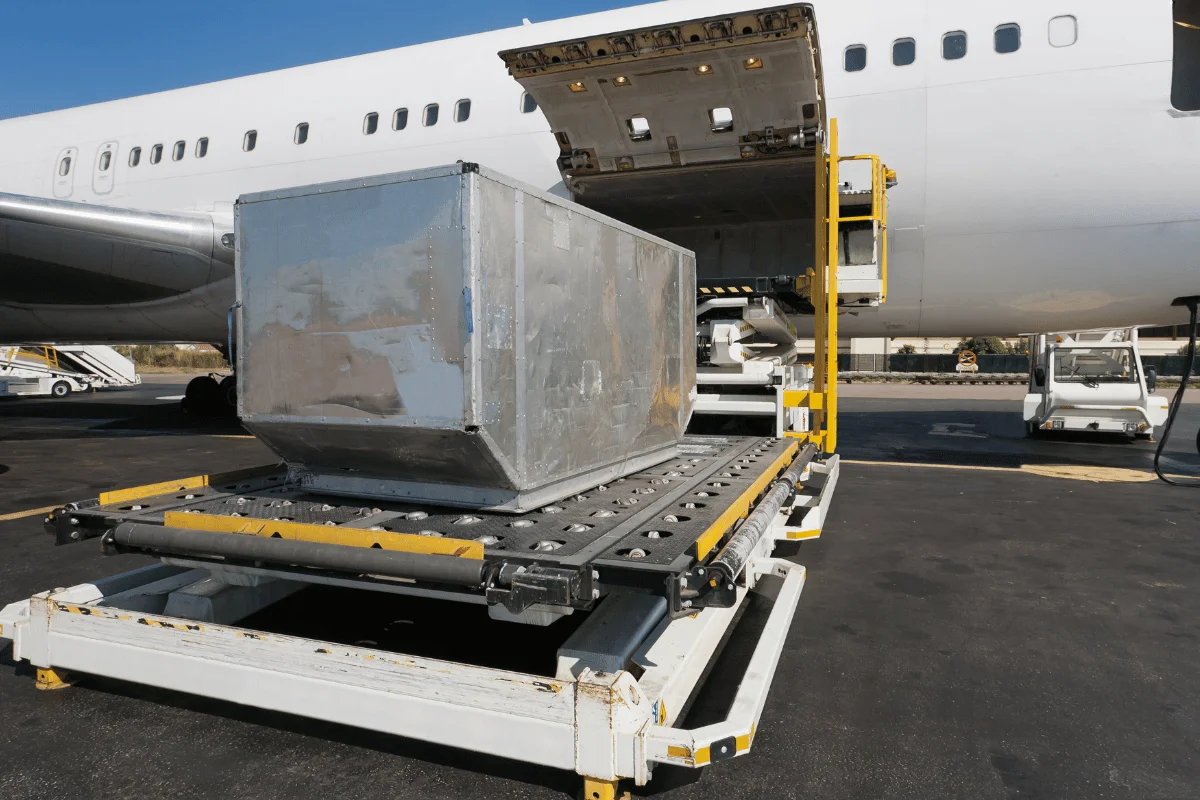
What to Expect From Freight Forwarders in Atlanta, GA
Atlanta-based freight forwarders can handle diverse aspects of your shipping needs, including documentation, customs clearance, insurance, and more.
Here’s what to expect:
- Better Customer Experience Due to Skilled Workforce: Atlanta is a logistics hub, so freight forwarders usually have experienced staff and strong industry connections, which leads to better service and improved customer experience.
- High-Quality Transportation Services: Atlanta freight forwarders use different modes of transport, including sea, air freight shipping, and trucking, to maintain flexibility and efficiency. They also optimize routes and consolidate cargo to ensure efficient delivery and lower shipping costs.
- Collaborative Documentation: They can handle all your freight documentation needs, including freight forwarder-specific and importer-specific documents. They also liaise with other stakeholders to ensure other documents are available, including those issued by your supplier/exporter, carrier, and customs authorities.
- End-to-End Shipping Solutions: You can enjoy comprehensive logistics and shipping services, from initial planning to final delivery. These can include obtaining and comparing quotes, booking and scheduling, pre-shipment inspections, transportation, insurance, tracking and monitoring, and last-mile deliveries.
- Consulting Services: You can get advice and guidance on domestic and international shipping regarding insurance, customs regulations, and compliance with trade laws from the real experts involved in customer support.

Key Challenges for Importers and Exporters in Georgia
Despite the above advantages, as an importer or exporter, you are highly likely to face two key challenges, either directly or indirectly:
1. Truck Driver Shortage
About 40% of imported and exported goods are transported by truck in Georgia.
Your goods will be on the road at one point or another, and you may experience freight delays due to Georgia’s shortage of truck drivers.
The shortage is partly caused by the lack of a diverse workforce as women and younger people aren’t encouraged to join the industry, despite the state’s incentives to improve job and labor availability.
2. Compliance Hurdles
Georgia frequently changes trade and customs regulatory requirements.
While most of these changes are meant to provide a more conducive business environment, keeping up with them and maintaining compliance can be tricky.

How to Navigate Freight Forwarding Regulations in Georgia Effectively
It’s possible to manage freight forwarding regulations in Georgia through:
- Understanding Customs Compliance: You should know the state’s specific importation and exportation laws and regulations regarding taxes, duties, tariffs, and the applicable export/import restrictions for some products. You must also adhere to customs regulations regarding the type of goods, classification, packaging, and labeling.
- Networking Effectively: Build strong relationships with local partners, like port authorities and customs officials, to speed up the customs process and minimize delays.
- Ensuring Accurate and Complete Documentation: Make sure all the documents are available, accurate, complete, and easily accessible to all parties. You can turn to electronic documentation for faster processing and ease of tracking.
- Understanding Regulatory Jurisdictions: In addition to federal oversight by the CBP, FMC, TSA, and FMCSA, ensure your freight forwarder complies with Georgia state oversight. These include the DPS for intrastate trucking, the DOR for tax implications, and the GPA for port-related rules, especially those relevant to the Port of Savannah.
- Staying in Sync with Georgia Infrastructure Rules: If you require last-mile delivery, ensure your freight forwarder complies with Georgia’s zoning, transportation, and hazardous materials storage regulations. They should also understand the state fuel tax, weight restrictions, and toll roads.
- Partnering with Professionals: You can capitalize on your freight forwarder’s knowledge, experience, technology, and ability to stay informed about industry regulations and trends.

How Technology is Transforming Freight Forwarding in Georgia
The use of technology is an emerging and developing solution in logistics operations, especially in freight forwarding services in Georgia.
Digitizing the freight forwarding process is largely disrupting the traditional freight forwarding industry in several ways:
- All-in-One Digital Platforms: Digital platforms that use mobile apps and the Internet are replacing manual trade and shipping processes, saving businesses time and money. For example, our all-in-one Ship4wd dashboard is available from anywhere using Internet-connected devices.
- Full Service or Self-Service Options: Some digital freight forwarding companies in Georgia allow you to choose the service level that suits your needs. At Ship4wd, you can choose full support, and we’ll hold your hand throughout the process. Alternatively, you can use the self-service option, which allows you to do everything digitally using our platform.
- Price Transparency: Pricing ambiguity and hidden charges have long been a thorn in the flesh of traditional freight forwarding. Digital freight forwarders are allowing shippers to obtain and compare prices for the entire shipment upfront without any hidden fees.
- Bringing Together Stakeholders Under One Roof: Critical players such as cargo insurance services and carriers are brought together under one platform. The effort helps streamline the planning process and saves shippers time and money as you don’t have to coordinate service providers separately.

The Future of Freight Forwarding in Georgia
Given the positive outlook of the state’s logistics and freight forwarding industry, you can expect the future to look even brighter regarding trade and the movement of goods in and out of Georgia.
Here are some significant aspects going into the future:
- Continued Digital Transformation: More digital freight forwarding companies will come into the scene, while more traditional ones will digitize their services.
- Consolidations, Specializations, Failures, and Forced Total Exits: A University of Georgia study foresees a rapid increase in the number of digital freight forwarders and brokerage firms in the state, with company consolidations set to become common. Some forwarders will prosper. Others will only succeed by offering specialty freight services, such as e-commerce fulfillment, or by focusing more on the local market. Some small companies will quit completely.
- Increased Supply Chain Visibility: The continued adoption of digital freight operations will improve the visibility of the entire supply chain. Freight forwarders will continue automating tasks, such as cargo tracking and delivery status updates, to inform clients and customers in real-time and differentiate themselves from traditional providers.
Why Digital Solutions Like Ship4wd Are Leading the Way
Undoubtedly, going digital is transforming the freight forwarding industry in leaps and bounds.
Ship4wd’s digital freight forwarding solutions are setting the pace in different ways:
- Consolidating Service and Stakeholders Under One Platform: Our digital dashboard and the entire service bring together different logistics processes and industry players. You don’t have to deal with different providers or execute different activities separately. As such, we save you time and money to dedicate to growing your business.
- Guaranteed Container Allocation: At Ship4wd, we are the only freight forwarding company that guarantees container space allocation to SMBs at secured competitive prices, especially during peak seasons. We do so regardless of the size or volume of your shipment.
- Keeping up with Compliance Changes: We actively monitor changes in customs regulations. This is necessary for us to adapt to new laws and update our compliance best practices to reduce customs clearance delays.
- Proactive Problem Resolution: Reliable freight forwarding requires foreseeing and solving problems before they even arise. For example, we can reroute shipments to avoid supply chain disruptions caused by worker strikes, natural disasters, or shipping lane changes.
If you are ready to transform your shipping processes locally, internationally, or globally, create your free Ship4wd account today to get started.
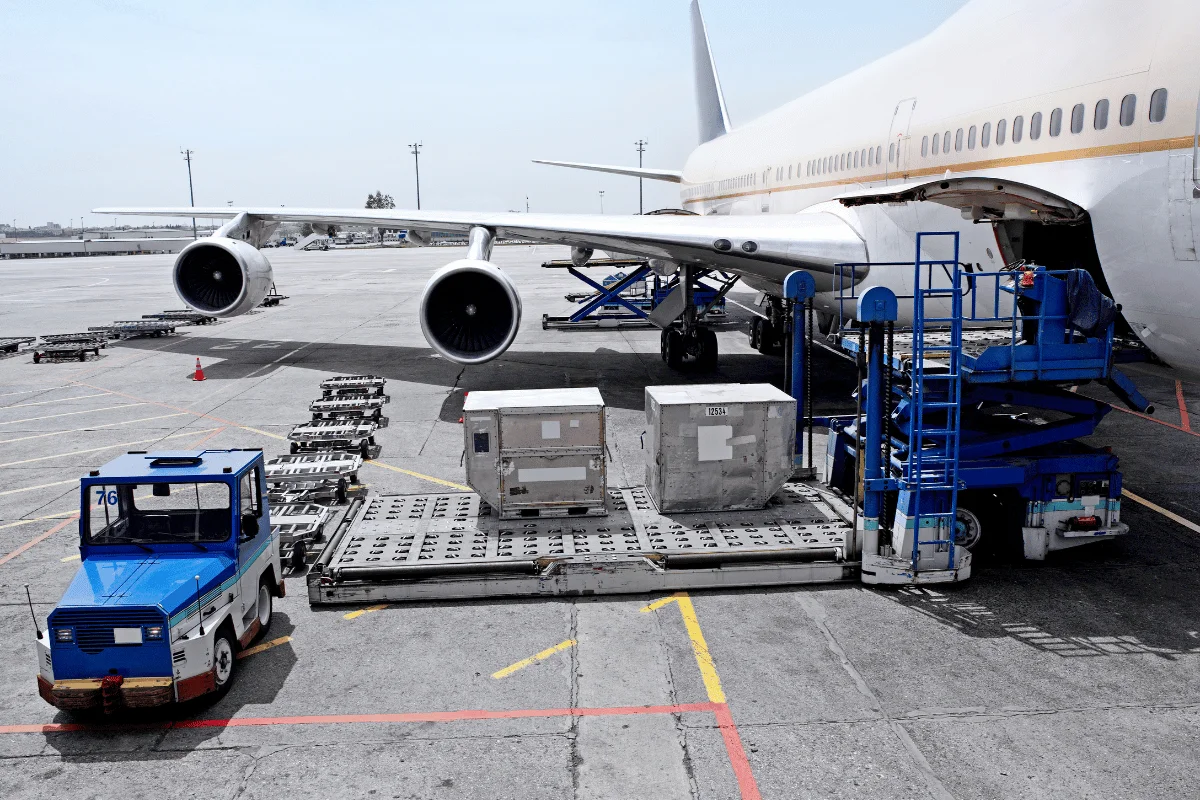
The Role of Freight Forwarders in Georgia’s Economy
Here are some ways freight forwarders help the economy of Georgia:
- Job Creation: According to the Georgia Department of Transportation, the state’s logistics industry provides over 239,000 direct jobs. Some of these are in the freight forwarding sector as logistics managers, CEOs, pre-shipment inspectors, customer service personnel, and more.
- Higher Wages and Lower Family and Business Costs: Freight forwarding jobs usually provide disposable incomes for all types of employees and lower costs for families and companies. Employees can have more money to spend on other commodities or business activities, which helps grow the economy’s gross domestic product.
- Improved Local Supply Chain: Both local and international freight forwarders in Georgia help businesses run smoothly by strengthening or streamlining their supply chains. Businesses receive their inventory timely, while consumers also enjoy timely and safe deliveries. The resulting effect of higher consumer satisfaction and reduced costs or delays promotes economic efficiency and overall growth.
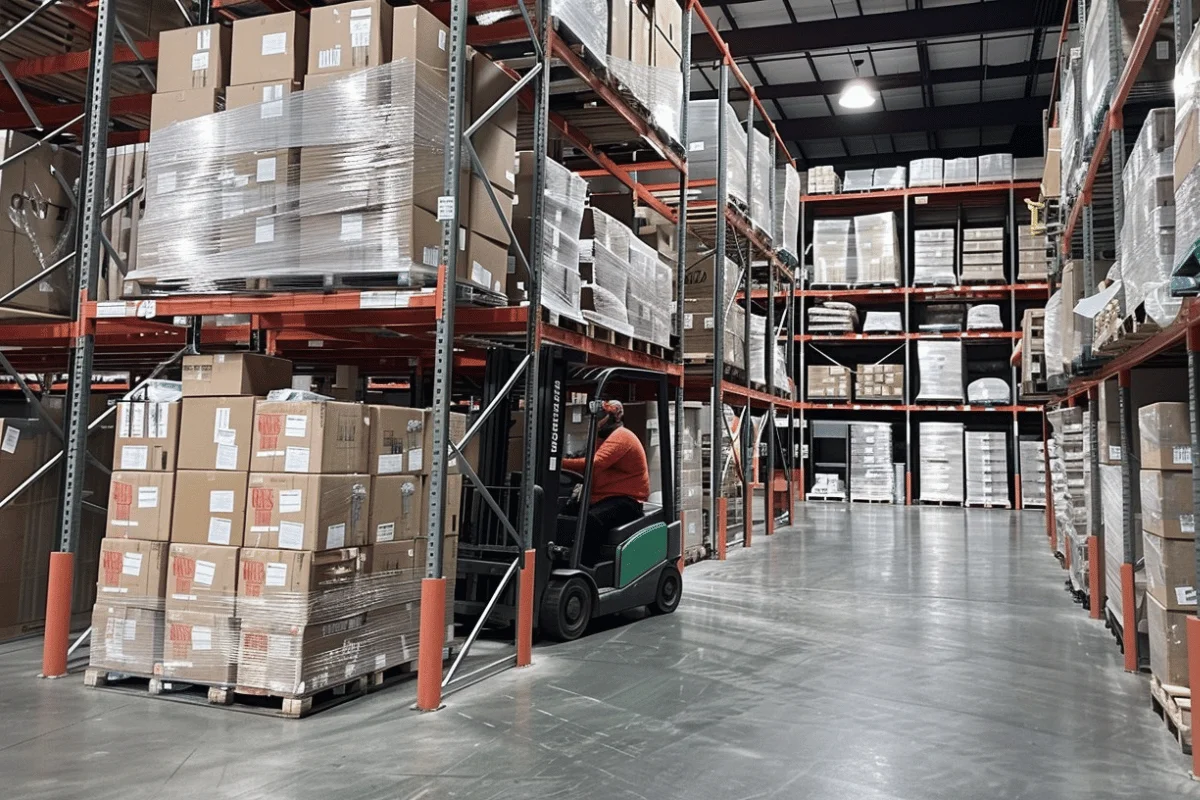
How to Compare Freight Forwarding Companies in Georgia
When comparing freight forwarding companies in Georgia, you must:
- Check their Reputation: The best freight forwarders have a strong reputation with online ratings and reviews that show reasonable customer satisfaction. You can ask previous clients for references to get first-hand feedback and recommendations.
- Evaluate their Customer Service: Ensure they are responsive to your queries and provide timely support. Their communication should effectively manage expectations, keep you updated, and resolve issues.
- Evaluate Pricing: Ensure the forwarders have transparent pricing with detailed, competitive quotes that break down all freight forwarding costs. Are there any hidden fees or charges for their services? Also, ask if they are open to negotiating, especially if you ship large quantities often.
- Inquire About their Services: Check that they offer the full suite of services you need, including documentation, insurance, customs clearance, and door-to-door deliveries. Ask if they have specialized services like transporting dangerous goods (e.g., shipping batteries) and oversized cargo.
- Consider their Experience and Expertise: Look for companies with demonstrable knowledge and experience in handling similar types of cargo, routes, and destinations.
You’ll want to choose a freight forwarder that checks as many of these boxes as possible. Ship4wd offers transparent pricing, extensive experience and expertise, and comprehensive services.
We also offer 24/7 human-led customer support and have a reputation for reliability and zero cargo loss.
Let us streamline your shipping and logistics processes—sign up for Ship4wd today.

Frequently Asked Questions (FAQs)
Let’s check out common questions about domestic and global freight forwarders in Georgia:
How Do Freight Forwarders in Georgia Handle International Shipping?
Freight forwarders and local and international shipping companies in Georgia make shipping easier by collaborating with other key stakeholders.
They work with customs authorities to process paperwork and payments for timely customs clearance. They partner with insurers to provide comprehensive cargo insurance services.
Your forwarder also works with carriers to find the most favorable shipping routes and prices.
How Can Freight Forwarders Help Reduce Shipping Costs in Georgia?
Freight forwarding companies can help you reduce freight forwarder costs in different ways. For example, you can use our freight cost calculator to request and compare prices from multiple carriers to select the most favorable.
Additionally, we use advanced technology and work with carriers to identify the most efficient and cost-effective transport modes and routes based on your needs.
What Are the Best Shipping Routes for Freight Forwarders in Georgia?
Pinpointing the best shipping routes for freight forwarders can be tricky.
The best route will depend on the specific situation for each shipment, based on your needs, the type of cargo, current regulations, and costs, among other factors.
When you ship your goods with Ship4wd, we can help you find the best route for every shipment in and out of Georgia, the entire country, and globally.
What Makes Freight Forwarders in Georgia Stand Out From Other States?
Freight forwarders in Georgia stand out through different capabilities and aspects, such as:
- Speed and efficiency: They can tap into shorter truck drayage times, extended gate hours, and lower dwell times at the Port of Savannah. This reduces transit times and costs, making them attractive for high-volume and time-sensitive shipments.
- Experienced logistics workforce: Georgia is home to top logistics schools like Georgia Tech’s Supply Chain and Logistics Institute. Atlanta is particularly a magnet for logistics companies, meaning forwarders have access to skilled customs clearance professionals and transportation planners.
- Access to trade-friendly policies and business climate: Georgia is one of the most business-friendly states in the US. Forwarders enjoy state-level assistance for logistics tax breaks and GPA’s support for trade growth through incentives and infrastructural upgrades.
How Does a Freight Forwarder in Georgia Ensure Cargo Security?
Georgia freight forwarders ensure cargo security through methods such as:
- Joining compliance and security programs for smoother cargo operations and expedited services. These may include TSA’s Cargo Screening Program, ACE Secure Data Portal, and NMFTA’s SCAC registration.
- Using modern technology to track the location and condition of cargo in real-time, which makes it possible to spot and address losses, thefts, or damages.
How Does Freight Forwarding Help Small Businesses in Georgia?
Freight forwarding helps small businesses in Georgia in different ways. These can include:
- Simplifying the complexities of logistics and shipping.
- Managing transportation, customs clearance, and documentation so they can focus on growth instead of supply chain challenges.
- Providing cost-effective shipping options due to access to major airports and the Port of Savannah.
- Reducing shipping delays, optimizing routes, and ensuring compliance with trade regulations through their expertise and experience.
Conclusion
Partnering with the best freight forwarders in Georgia can help you leverage the business advantage provided by the state’s robust logistics industry.
You can work with your freight forwarder to take advantage of their logistics expertise and experience to streamline your supply chain activities. They can also help you overcome challenges like customs compliance issues and enjoy emerging solutions, such as digital freight forwarding.
Talking of digital freight forwarding, Ship4wd provides an all-in-one platform that uses advanced technology to simplify the entire shipping process for SMBs.
You can enjoy innovative solutions such as digital customs clearance, online booking, pre-shipment inspections, all-risk cargo insurance, and flexible credit lines up to 90 days after cargo arrival.
Register a free Ship4wd account today to start shipping efficiently and cost-effectively.