

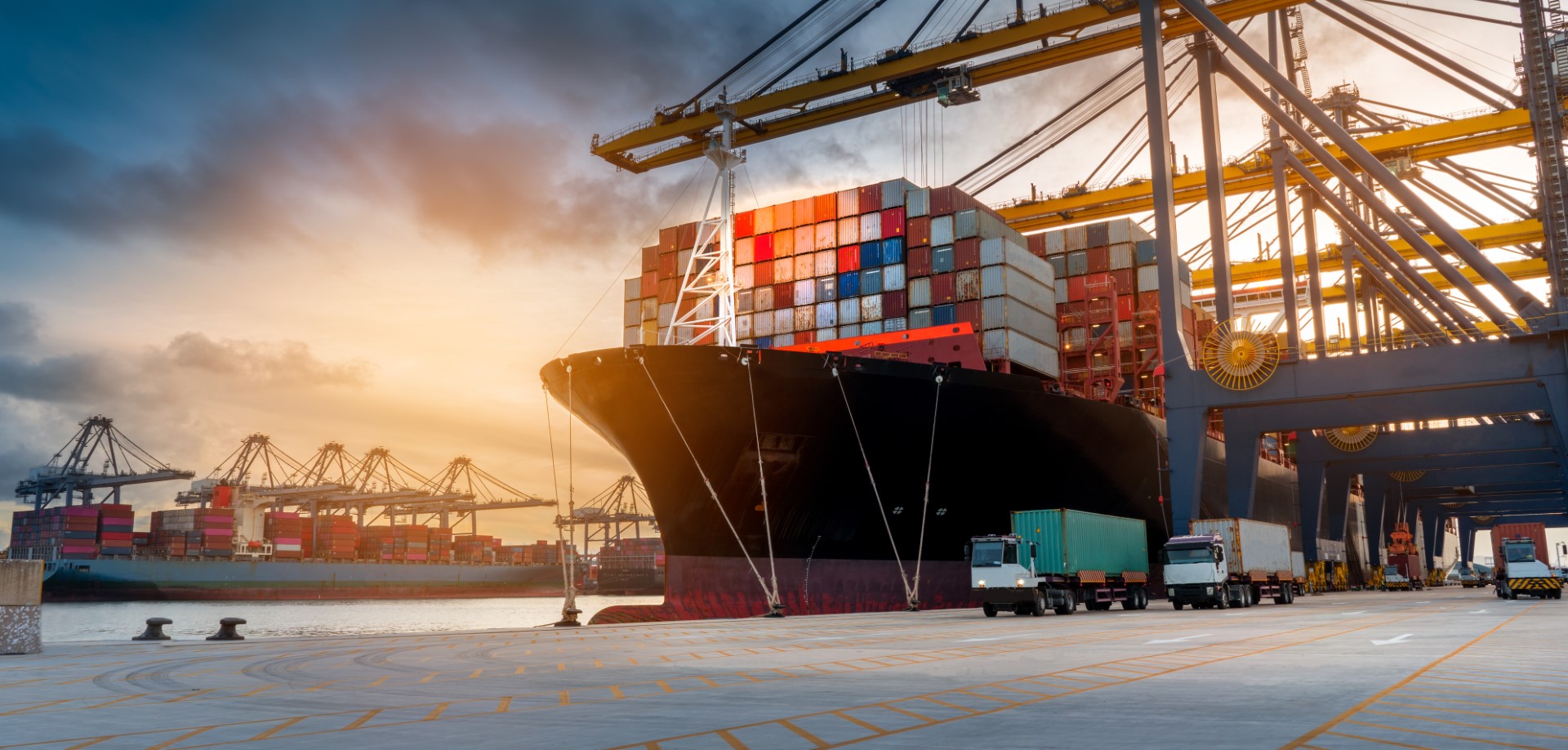

As international trade evolves at a rapid pace, the ability to transport goods efficiently across borders is more critical than ever. For businesses driving economic growth and fostering global connectivity, understanding the dynamics of shipping is essential. Global shipping routes — maritime highways linking nations, industries, and markets — form the backbone of global commerce, enabling the seamless flow of products, raw materials, and consumer goods worldwide.
In this guide, we’ll explore the top five busiest shipping routes in the world, uncover their unique features, and understand the opportunities and challenges they present. Whether you’re entering international trade, optimizing your import and export operations, or simply curious about the global economy, this overview will offer valuable insights.
Why It’s Important for Businesses to Understand Shipping Routes
For businesses and logistics managers involved in international trade, understanding shipping routes isn’t just a matter of logistics—it’s a vital part of ensuring smooth operations and maintaining a competitive edge. Shipping routes influence everything from transit times and costs to the resilience of your supply chain. By having a clear picture of how these routes operate, businesses can better anticipate challenges and uncover new opportunities.
Here are some reasons why understanding shipping routes matters:
- Anticipate Disruptions: Knowing the key shipping routes allows you to prepare for potential delays caused by congestion, weather, or geopolitical issues.
- Evaluate Suppliers: Shipping routes help you assess how location impacts transit times and costs, making it easier to choose the best suppliers for your business.
- Plan Alternatives: In case of unexpected disruptions, understanding routes enables you to explore alternative paths or adjust sourcing strategies.
- Improve Communication: Having knowledge of major routes can help streamline discussions with logistics providers and enhance decision-making.
By building awareness of global shipping routes, businesses can reduce risks and keep their supply chains running smoothly. Let’s dive into the busiest shipping routes and explore the opportunities and challenges they bring.
1. Transpacific Maritime Shipping Trade Route
The Transpacific Route is one of the busiest shipping routes in the world, spanning the vast Pacific Ocean and connecting the manufacturing hubs of East Asia, particularly China, with consumer-driven markets in North America. Ports like Shanghai, Shenzhen, and Hong Kong serve as departure points, while Los Angeles, Long Beach, and Seattle are major destinations. In 2022, U.S. trade alone on this route accounted for approximately 28 million 20-foot-equivalent container units in 2022.
This route plays a critical role in global trade, transporting goods such as electronics, clothing, machinery, and automobiles. Key waterways include the Taiwan Strait, the South China Sea, and the expansive Pacific Ocean. Additionally, the Panama Canal is integral to the Asia-East Coast U.S. connection, one of the busiest trade routes utilizing this canal. Despite its efficiency, the Transpacific Route faces challenges like port congestion and geopolitical tensions, highlighting the need for adaptability in global logistics.
2. Asia-Europe Maritime Shipping Trade Route
The Asia-Europe shipping route stretches across the Eurasian continent, acting as a critical artery for global trade. It connects Asia’s bustling manufacturing hubs in China, South Korea, and Japan with Europe’s major markets, including economic giants like Germany, France, and the Netherlands. This vital maritime corridor moves a wide variety of goods, from cutting-edge electronics and textiles to heavy machinery and automobiles.
At the heart of this route is the Suez Canal—a true engineering marvel. This 193-kilometer (approximately 120 miles) waterway links the Mediterranean Sea with the Red Sea, offering vessels a much-needed shortcut that slashes transit times and boosts trade efficiency. In 2019, the Suez Canal handled over 1 billion tons of cargo, solidifying its role as a cornerstone of the busiest shipping routes in the world. It’s a testament to the strong economic ties between Asia and Europe.
However, the Asia-Europe route isn’t without its challenges. A striking example was the infamous Ever Given in 2021, which temporarily blocked the Suez Canal and highlighted the vulnerability of this key shipping lane. Geopolitical tensions in the Middle East also pose risks, threatening the smooth flow of maritime traffic. When the Suez Canal becomes difficult or unsafe to transit, as has been the case for much of the period since late 2023 due to Red Sea attacks, vessels reroute around the southern tip of Africa via the Cape of Good Hope. This detour lengthens transit times, typically by around one to two weeks depending on the specific route, and has contributed to broader schedule disruption across affected trade lanes. See the 2026 Update section below for how this has evolved and what it may mean for your shipment planning. These challenges underscore the strategic importance of keeping one of the busiest shipping routes open and secure for international trade.
3. Transatlantic Maritime Shipping Trade Route
The Transatlantic shipping route stretches across the vast Atlantic Ocean, connecting North America—primarily the United States and Canada—with Europe. As one of the busiest shipping routes in the world, it’s a vital link for transporting everything from automobiles and machinery to electronics and chemicals. Major ports like New York, Norfolk, and Miami in North America seamlessly connect with European hubs such as Rotterdam, Hamburg, and Liverpool, making this route a cornerstone of global trade.
Navigating this route takes vessels through key waterways like the North Atlantic Ocean and the English Channel. The English Channel, which bridges the Atlantic Ocean and the North Sea, sees over 500 ships daily, including more than 400 vessels traversing the narrow Strait of Dover. It’s no surprise that this stretch is among the busiest shipping routes globally.
Historically, the Transatlantic route has been pivotal since the Age of Discovery, shaping commerce, culture, and economies on both sides of the ocean. It carried New World commodities like tobacco, cotton, and sugar to Europe, profoundly transforming European lifestyles. Tragically, it was also central to the transatlantic slave trade, leaving an indelible mark on history. Over time, this trade route evolved into a modern-day superhighway for goods, symbolizing the enduring economic and cultural ties between North America and Europe.
Today, this route remains a lifeline for global shipping, embodying centuries of partnership and progress. Its historical and modern significance reinforces its role as one of the busiest shipping routes supporting international trade and commerce.
4. Intra-Asia Maritime Shipping Trade Route
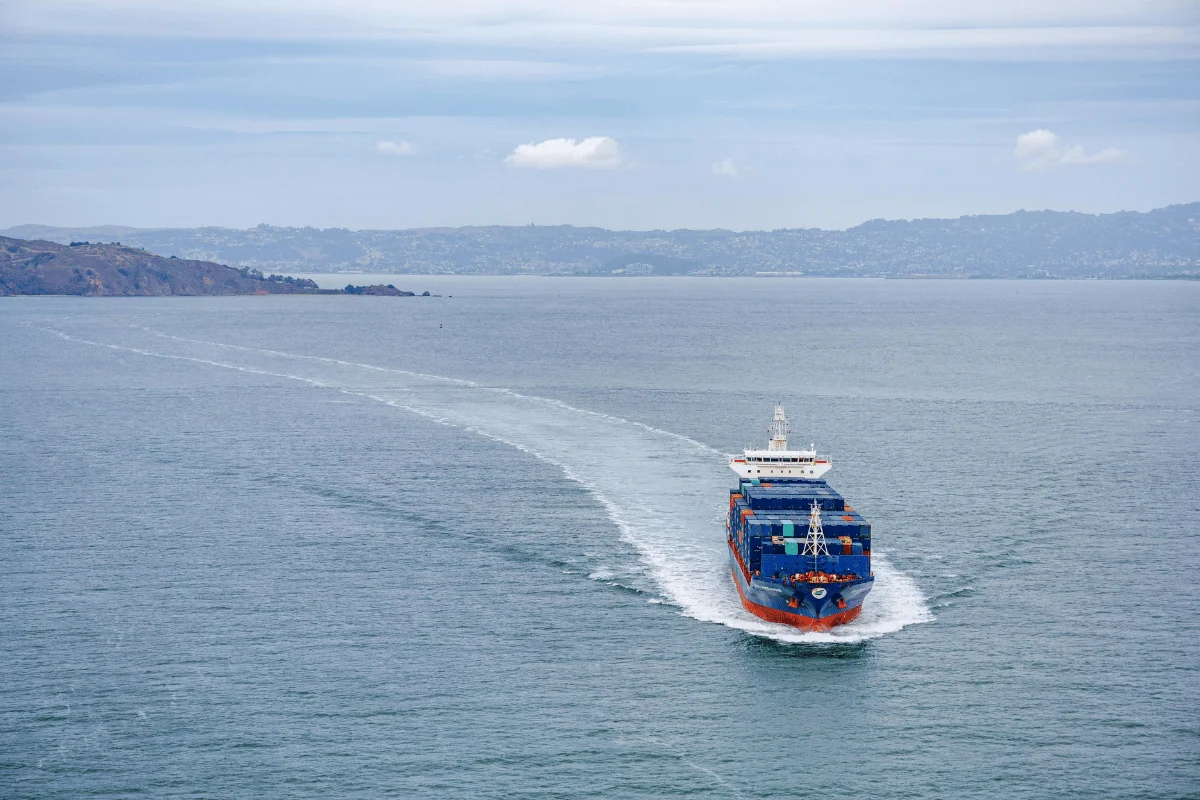
The Intra-Asia shipping route is a bustling network connecting key ports across East Asia, Southeast Asia, South Asia, and Oceania. It links major economic hubs like China, Japan, and South Korea with dynamic markets in Singapore, Vietnam, India, Sri Lanka, Australia, and New Zealand. This route facilitates the movement of a wide array of goods, from electronics, textiles, and machinery to agricultural products, raw materials, and consumer goods.
As one of the most critical trade routes, the Intra-Asia network supports significant cargo volumes annually, driving economic growth across Asia. The route relies on crucial waterways such as the South China Sea, East China Sea, and Indian Ocean. The Strait of Malacca, a chokepoint for global sea trade with about 50,000 vessels passing through yearly, plays a central role in keeping the flow of goods uninterrupted.
However, this bustling corridor faces challenges like port congestion, trade imbalances, weather disruptions, and geopolitical tensions. Sustainability concerns, including emissions reduction and marine conservation, are also gaining attention. Despite these hurdles, the Intra-Asia route remains essential for connecting economies and fostering Asia’s unparalleled interconnectedness. It’s a powerful reminder of how efficient maritime transportation fuels growth, not just within Asia but across the world.
5. South America-Europe Maritime Shipping Trade Route
The South America-Europe shipping route stands as a key artery of global trade, connecting the vibrant economies of two continents. Stretching across the vast Atlantic Ocean, this critical corridor links major South American ports in countries like Brazil, Argentina, and Chile with prominent European ports in Spain, Portugal, the United Kingdom, and the Netherlands.
This route carries a diverse range of goods that reflect the economic strengths of both regions. From South America, exports include agricultural staples such as coffee, soybeans, and fruits, along with valuable minerals like iron ore and copper. In return, Europe contributes manufactured goods, including electronics, machinery, and consumer products. The trade also encompasses raw materials, semi-finished goods, and industrial components, underscoring the route’s importance to various sectors.
Maritime transport dominates South America’s trade, with a significant share of its imports and exports relying on sea routes. The South America-Europe shipping route handles immense annual cargo volumes, fueling economic growth and strengthening international trade ties. Its efficient operation depends on robust logistics and infrastructure, which help ensure smooth cargo flow across the South and North Atlantic Oceans.
However, this route is not without its challenges. Variable weather, vast distances, and complex supply chain requirements demand precise coordination. Additionally, fluctuating commodity prices and shifting economic conditions can influence trade dynamics. Despite these hurdles, the South America-Europe shipping route remains an indispensable pillar of global commerce, showcasing the interconnectedness of economies and the crucial role of maritime transportation in sustaining trade.
2026 Update: Why the Suez Canal Route Looks Different Now
The Suez Canal section above describes the route’s historical role, but the operating picture has changed substantially since 2023.
Ongoing Houthi attacks on commercial shipping in the Red Sea, which began in late 2023, pushed a large share of container traffic that would normally transit the Suez Canal onto the longer Cape of Good Hope route instead, and reporting states Suez tonnage remained well below pre-disruption levels through much of 2025. More recently, a separate escalation around the Strait of Hormuz in 2026 has drawn additional attention to nearby chokepoints, including the Strait of Malacca, as analysts assess which secondary routes could face spillover pressure if tensions persist.
Given how quickly this situation has shifted more than once already, any specific transit volume or rerouting figure should be treated as a snapshot rather than a stable fact, and it’s worth checking current carrier advisories before assuming a route is operating normally.
What This Means for Your Shipment Planning
None of this means avoid ocean freight, but it does mean building in more schedule buffer than you might have a few years ago.
Routes that touch the Red Sea, the Suez Canal, or nearby waters have carried a meaningfully higher chance of rerouting, delay, or added surcharges over the past couple of years than they historically did. If your supply chain depends on a tight delivery window through one of these lanes, ask your freight forwarder directly whether your specific route has an active contingency plan, rather than assuming based on a route’s historical reliability.
This is a fast-moving situation, geopolitically and operationally, so treat any single source, including this page, as a starting point for a conversation with your forwarder rather than a final answer.
Key Challenges Importers Experience When Shipping Around the Globe
Global shipping routes are essential to international trade, but they come with their own set of challenges. These issues can disrupt operations, delay shipments, and increase costs.
Here are some of the main challenges:
- Port Congestion: Busy ports often experience delays, causing bottlenecks that impact supply chain timelines.
- Weather Disruptions: Extreme weather events like storms or typhoons can lead to shipping delays or rerouting.
- Geopolitical Risks: Regional conflicts, trade disputes, or sanctions can disrupt shipping routes and create unpredictability.
- Container Shortages: Trade imbalances often result in a lack of available containers, delaying shipments and raising costs.
- Rerouting Challenges: Blockages in key waterways force vessels to take longer, alternative routes, increasing transit times and costs.
These challenges highlight the importance of working with a trusted digital freight forwarder. By streamlining operations, anticipating disruptions, and planning ahead, businesses can ensure smoother supply chains and minimize risks.
Navigating International Shipping with Ship4wd
Managing international shipping on your own can quickly become overwhelming, but with Ship4wd, the process becomes simple, efficient, and hassle-free.
Our expertise in Full Container Load (FCL) and Less than Container Load (LCL) shipping makes us your one-stop freight forwarding partner for all your logistics needs. With competitive shipping quotes and years of experience, we’re here to take the weight off your shoulders and handle your shipments with care and precision.
At Ship4wd, we go beyond basic shipping services to offer a suite of value-added solutions tailored to meet your business needs. From customs clearance, cargo insurance, and pre-shipment inspections to advanced shipment tracking and innovative financing options, our services are designed to optimize your operations.
In addition, thanks to our dedicated 24/7 support team, you’ll always have access to expert assistance and guidance, ensuring a seamless shipping experience.
Join Ship4wd today and discover how we can transform your shipping operations. With our support, you can streamline logistics, stay on top of your supply chain, and dedicate your time to what matters most—scaling your business successfully.