


Business Guide to the Suez Canal: A Brief Overview and History
The Suez Canal stands as one of the most significant achievements in modern trade infrastructure, connecting the Mediterranean and Red Seas and reshaping global commerce for over a century. This strategic waterway has become indispensable for facilitating trade between Europe and Asia, solidifying its status as a key pillar of the international shipping industry.
In the 2022/2023 fiscal year, the canal’s operations generated a remarkable $9.4 billion in revenue, reflecting its unmatched importance in global logistics. However, by 2023/2024, revenues declined to $7.2 billion due to shifting trade dynamics and regional challenges. Even so, the canal’s ability to recover from disruptions—such as the infamous Ever Given blockage in 2021—demonstrates its adaptability and the ongoing innovations led by the Suez Canal Authority to meet the demands of global trade.
For businesses looking to expand internationally, the Suez Canal is more than just a transit route. Its influence reaches far beyond its waters, shaping shipping strategies and impacting alternative trade routes worldwide.
In this article, we’ll take a closer look at the history of the Suez Canal and its critical role in today’s global economy, uncovering why it remains a linchpin in international trade and a valuable asset for businesses navigating the complexities of global markets.
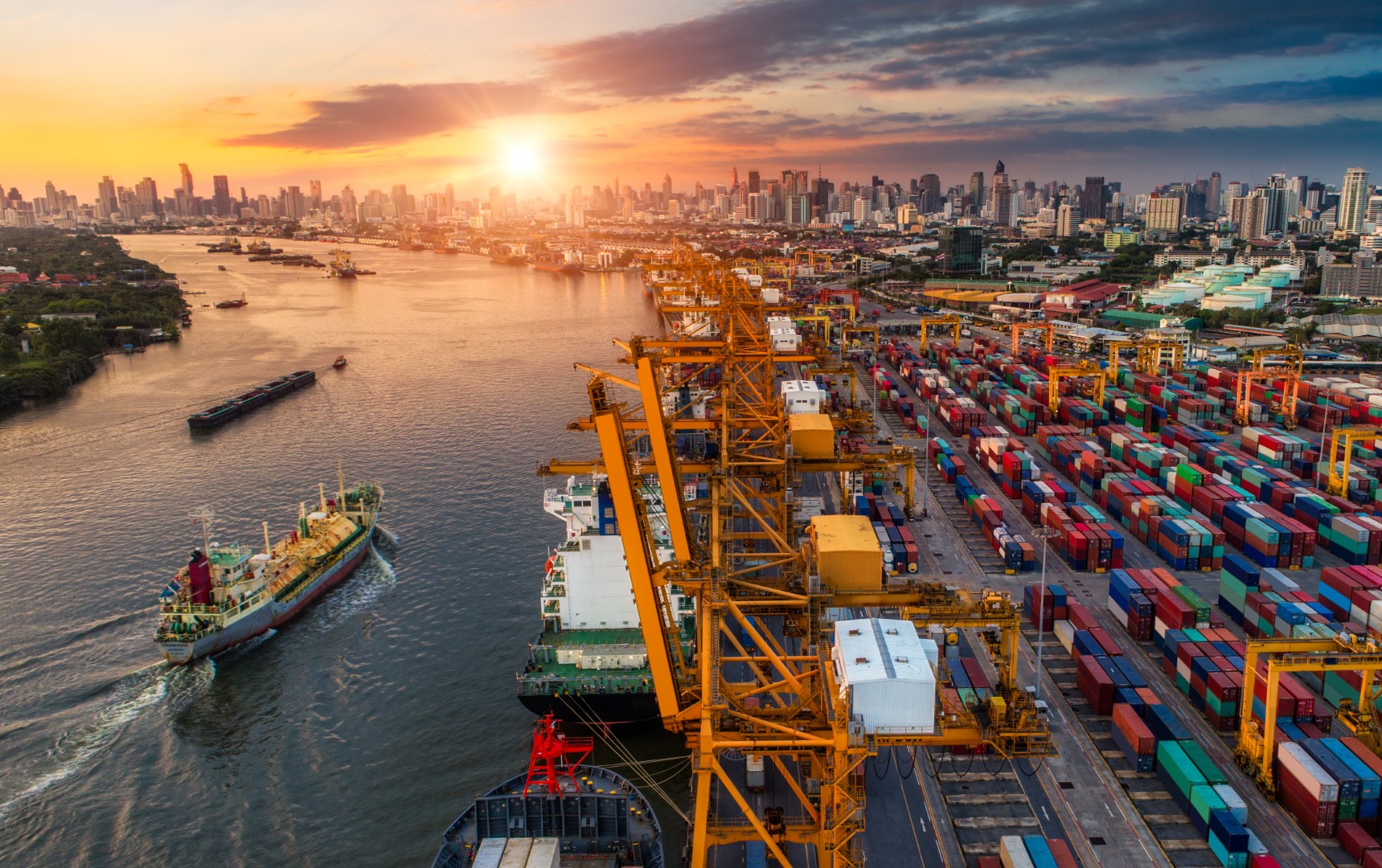
Where is the Suez Canal Located?
The Suez Canal is located in northeastern Egypt, serving as a strategic connector between the Mediterranean Sea in the north and the Red Sea in the south. If you’re wondering where is the Suez Canal, it can be found on the map cutting through the Isthmus of Suez, creating a vital link between continents. This North Africa Suez Canal has transformed global trade by creating a direct maritime route between Europe and countries bordering the Indian Ocean and the Western Pacific.
Key Facts About the Suez Canal
- Length: Approximately 193.3 km (about 120.1 miles), cutting through the Isthmus of Suez, which separates Africa from Asia.
- Shortcut: It eliminates the need for ships to travel around Africa’s Cape of Good Hope, saving thousands of miles and significantly reducing journey times and costs.
- Impact: For over a century, it has been a cornerstone of efficient global shipping, benefiting industries worldwide.
Who Controls the Suez Canal?
The Suez Canal is managed and operated by the Suez Canal Authority (SCA), an independent Egyptian governmental entity established on July 26, 1956.
The SCA reports directly to Egypt’s Prime Minister and manages all aspects of canal operations, including navigation protocols, infrastructure maintenance, toll systems, and strategic development projects.
The SCA plays a pivotal role in global trade by ensuring the smooth operation of this critical waterway. It also has the authority to initiate projects and manage real estate to support canal operations and staff welfare. In adherence to the Constantinople Convention of 1888, the SCA ensures equal access to the canal for all vessels.
Why is the Suez Canal Important for Global Trade?
The Suez Canal is essential for moving goods across continents, making it one of the busiest and most valuable trade routes in the world. Its benefits include:
- Expedited Shipping: Ships traveling through the canal avoid the lengthy journey around Africa, reducing travel time and fuel consumption.
- High Cargo Volume: In 2019, around 50 vessels passed through the canal daily, collectively carrying over 1 billion tonnes of cargo annually.
Routes and Industries Benefiting from the Suez Canal
The canal’s strategic location supports global trade flows across key routes, including:
- Asia to Europe: The Suez Canal plays a vital role in transporting goods such as manufactured products and raw materials to European markets, streamlining trade between Asia and Europe.
- Asia to the Middle East and North Africa (MENA): Offers a direct and cost-effective connection for imports and exports between these regions.
- Asia to the Mediterranean: Facilitates commerce between Asia and Southern Europe, streamlining goods movement into European markets.
- Europe to East Africa: Supports trade between Europe and East African nations with faster, more economical shipping.
Imports via the Suez Canal
The Suez Canal is a cornerstone of global trade, facilitating the efficient movement of essential goods across continents. Key commodities transported through the canal include crude oil, LNG, and other energy products that power industries and economies in Europe and Asia. Additionally, the canal serves as a crucial link for manufactured goods such as electronics, textiles, and machinery, as well as raw materials and agricultural products that support global supply chains.
By significantly reducing shipping times and costs, the Suez Canal plays an indispensable role in international trade. Its strategic location and capacity to streamline logistics ensure its continued importance as a lifeline for commerce and economic growth.
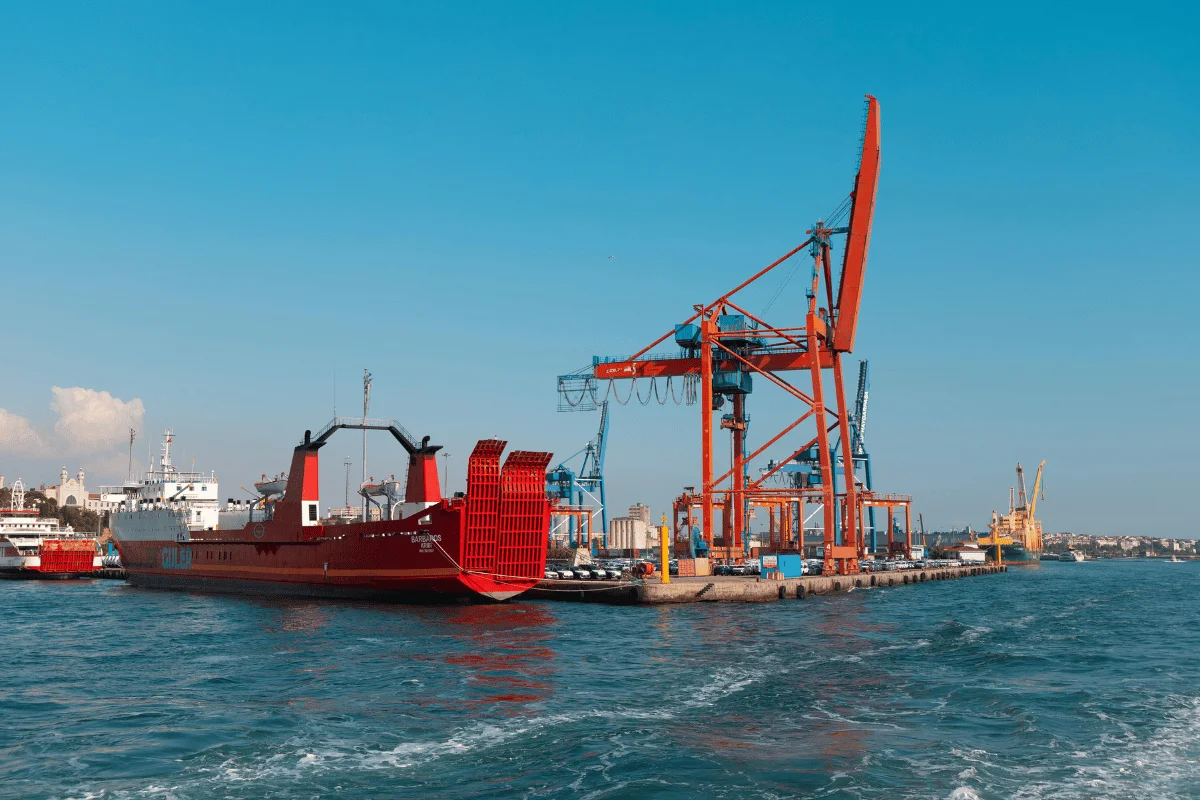
A Deep Dive Into the History of the Suez Canal
The history of the Suez Canal spans thousands of years, evolving from ancient dreams to a modern engineering masterpiece. Let’s dive into its fascinating journey through time.
Ancient Origins: Connecting East and West
The story of the Suez Canal begins with the visionary Pharaoh Senausert III, who imagined a link between the Red Sea and the Mediterranean to boost trade between the East and West. While who built the Suez Canal often points to modern construction, its roots go much deeper. In 285 B.C., Ptolemy II made early progress by creating a canal that connected the Red Sea, Bitter Lakes, and the Nile.
Despite these achievements, the canal faced neglect and natural sedimentation over the years, leading to long periods of disuse. In 641 A.D., Arab military commander Amr ibn al-As attempted to reopen the canal, but it remained mostly unnavigable.
19th-Century Revival: From Concessions to Construction
Fast forward to the 19th century, when efforts to modernize the canal took shape. In 1820, Mohammad Ali Pasha, considered the founder of modern Egypt, initiated work on parts of the canal for irrigation.
The turning point came in 1854, with the First Concession awarded to Ferdinand de Lesseps, a French diplomat. This agreement allowed de Lesseps to establish a company to construct the canal. Wondering who constructed the Suez Canal? It was his company, with work commencing in 1859. The ambitious project required a decade of hard labor and the excavation of 74 million m³ of soil, overcoming opposition from Britain and the Ottoman Empire.
When Was the Suez Canal Built?
Construction wrapped up in 1869, and the canal officially opened on November 17, 1869, with a grand celebration attended by dignitaries from around the globe. The event cemented the canal’s place in history.
In 1875, Britain bought shares in the canal from Khedive Ismail, giving it substantial control over the canal’s profits and administration. Today, if you’re wondering who owns the Suez Canal, it’s Egypt, after the canal was nationalized in 1956.
Establishing the Canal’s International Status
The Constantinople Convention of 1888 declared the canal “open forever” to merchant vessels of all nations, formalizing its status as a vital international waterway.
From ancient aspirations to modern achievements, the Suez Canal’s history continues to shape global trade. Its legacy answers questions like when was the Suez Canal opened, who owns the Suez Canal, and who built the Suez Canal, all of which reflect its enduring impact on the world.
The Suez Canal From 1956: Nationalization and Beyond
In July 1956, Egyptian President Gamal Abdel Nasser nationalized the Suez Canal, transferring its management to the newly established Suez Canal Authority (SCA). This decision followed the withdrawal of U.S. and British financial support for Egypt’s Aswan Dam project, which led to tensions with Britain and France, both of which had significant economic and strategic interests in the canal.
The Suez Crisis, 1956
Tensions escalated in October 1956 when Israel, Britain, and France launched a coordinated military operation. Israeli forces moved into the Sinai Peninsula, while British and French troops intervened near the canal under the pretense of protecting free navigation. The conflict disrupted global shipping, but international pressure, led by the United Nations, the United States, and the Soviet Union, eventually led to a ceasefire and the withdrawal of invading forces by early 1957.
Despite the military setbacks, Egypt retained control of the canal, marking a shift in global power dynamics. The crisis led to a decline in Britain and France’s influence in the region, while Nasser emerged as a symbol of Arab nationalism, further solidifying the canal’s strategic importance in international geopolitics.
1967 Israel-Egypt Six-Day War: The Temporary Closure of the Suez Canal
In 1967, following the Six-Day War between Israel and Egypt, the Suez Canal was closed for a period due to the conflict’s aftermath. The war resulted in an Israeli victory, but the canal remained shut, underscoring its importance as a critical global shipping route. The closure highlighted the strategic significance of the waterway in the geopolitics of the Middle East.
Modern Developments in the Suez Canal: Adapting to Global Maritime Trade
In recent years, the Suez Canal has continued to evolve to meet the demands of global maritime trade. By 2010, the canal had the capacity to handle ships with a draft of up to 66 feet, accommodating the latest generation of container ships that can carry up to 17,000 containers.
A significant milestone was the completion of the New Suez Canal in 2015. This parallel waterway increased the canal’s capacity and reduced transit times, further solidifying its role as one of the world’s most crucial maritime passages. The canal remains an essential link between the East and West, reflecting the resilience and adaptability of global trade systems.
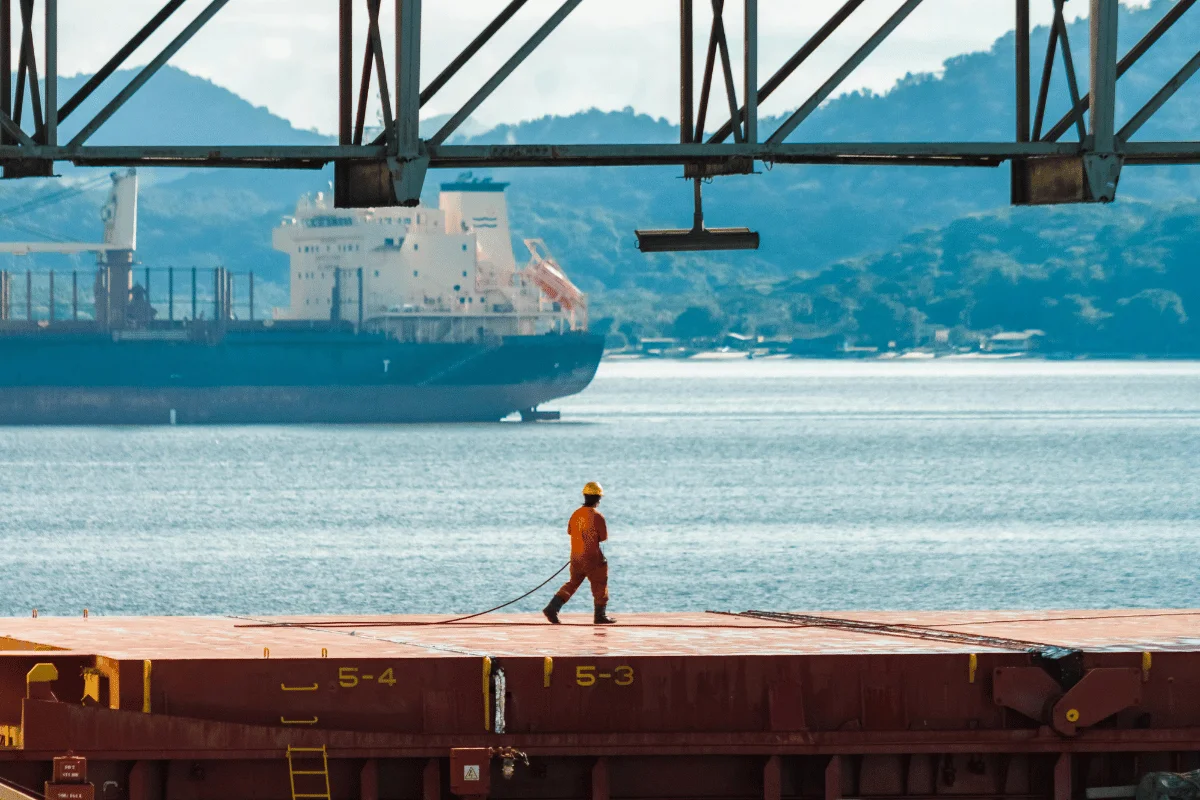
The 2021 Canal Blockage and Its Impact on Supply Chains
In March 2021, the world watched as the massive container ship Ever Given became lodged sideways in the Suez Canal, causing a major disruption in global trade. This unexpected blockage affected over 200 ships at both ends of the canal, bringing a significant portion of global trade to a standstill.
The incident had a wide-reaching impact on supply chains across the globe. The Suez Canal is a crucial link in the logistics chain, and when it was blocked, industries worldwide felt the effects. Ships carrying everything from consumer electronics to raw materials were stuck, unable to reach their destinations. The blockage cost an estimated $9.6 billion in global trade every day, creating costly delays for businesses and consumers alike.
One of the immediate consequences was the delay in product deliveries. Many companies depend on just-in-time inventory systems, and the blockage threw off the balance of supply and demand. This disruption rippled through the supply chain, impacting manufacturers, retailers, and consumers.
The incident also underscored the vulnerabilities within the global supply chain. It was a clear reminder that even something as unlikely as a giant ship getting stuck in a narrow canal can lead to far-reaching consequences.
The Suez Canal’s Everlasting Impact on Global Trade
In 2014, the Egyptian government undertook a remarkable engineering project, investing $8 billion to expand the Suez Canal. They widened the canal from its original 61 meters to an impressive 312 meters over a stretch of 21 miles. Remarkably, this ambitious project was completed in just one year, giving the canal the ability to accommodate two-way traffic, allowing ships to pass in both directions at the same time.
The Suez Canal has long been a symbol of groundbreaking engineering, and it continues to play a crucial role in global trade. Its capacity to handle massive amounts of cargo and its pivotal role in speeding up international commerce highlight its ongoing importance in the world economy.
The Suez Canal continues to evolve, with a major milestone achieved in December 2024: the completion of a 10-km extension near its southern end. This expansion increased the two-way section to 82 km, allowing 6–8 additional ships to pass daily and improving its ability to handle emergencies. These advancements, accelerated after the 2021 Ever Given incident, highlight the canal’s ongoing commitment to supporting global trade.
Navigating International Shipping with Ship4wd
At Ship4wd, we understand that global shipping can be complex, but we’re here to make it easier for you. With extensive expertise in both air and ocean freight, including Full Container Load (FCL) and Less than Container Load (LCL) shipping options, we are your trusted partner for all your international shipping needs.
We offer competitive shipping quotes and exceptional service, ensuring that your shipments are in capable hands. Our services go beyond just logistics, providing a range of value-added solutions designed to support businesses, including:
- Customs Clearance: We manage the necessary documents and submit them on your behalf, reducing delays.
- Cargo Insurance: Protect your goods during transit for peace of mind.
- Pre-Shipment Inspections: Ensure the quality of your goods, packaging, and labeling aligns with your standards and complies with shipping and import requirements.
- Advanced Tracking: Stay informed with our advanced tracking tools, providing updates on your shipment’s progress every step of the way.
- Secure Payment Options: We accept a variety of payment methods, which include credit card, wire transfer, and ACH debit, to make transactions smooth and secure.
- Financing Options: We offer eligible businesses tailored credit lines to support their import operations, allowing payment flexibility of up to 90 days after cargo arrival.
As part of our commitment to quality customer service and accessibility, we offer 24/7 customer support. Get assistance anytime you have questions about your shipment or our platform. No chatbots—only expert support.
With Ship4wd, you can rely on us to handle the complexities of international shipping, so you can focus on what really matters—growing your business. Register today and let us optimize your shipping operations.