



Importing goods offers exciting growth opportunities for businesses looking to expand product offerings and strengthen market position. By sourcing from international suppliers, you gain access to a diverse range of materials, components, and finished products—often at more competitive prices than domestic options. But alongside these advantages come distinct challenges.
Navigating complex import regulations, ensuring compliance with documentation requirements, coordinating shipping logistics, and clearing customs are just a few hurdles importers face. Each step presents potential delays and hidden costs if not managed effectively.
This guide provides a clear roadmap for tackling these challenges, focusing on how digital freight forwarders like Ship4wd can simplify the journey. By leveraging expertise in ocean freight (FCL and LCL), air freight, customs clearance, and end-to-end logistics management, you’ll have the support needed to streamline operations and focus on scaling your business.
What Is an Import Freight Forwarder?
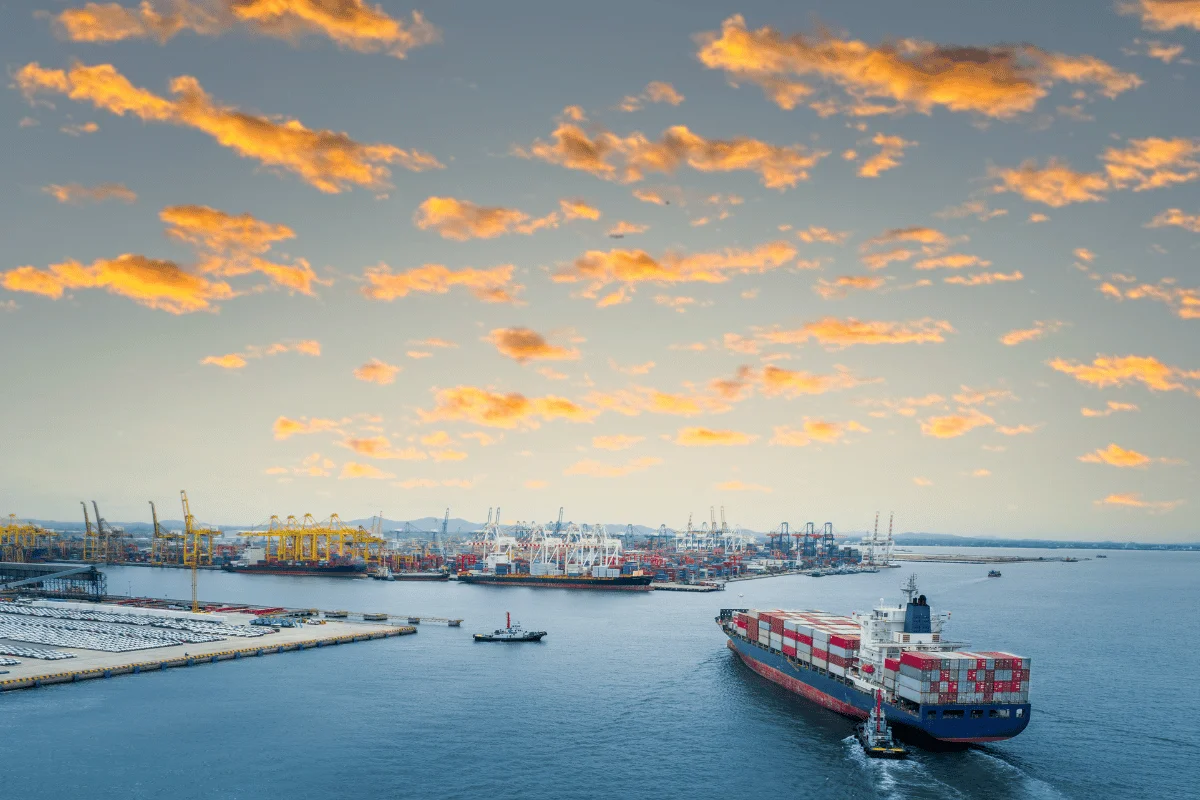
An import freight forwarder plays a crucial role in helping businesses navigate the complexities of shipping goods across borders. They manage various logistics tasks to ensure smooth and efficient import operations, including:
- Handling air and ocean freight imports
- Booking the right shipping carriers
- Acting as a liaison between all parties involved in the shipping process
- Assisting with documentation for streamlined imports
- Guiding through customs clearance
- Offering risk management solutions like cargo insurance and pre-shipment inspections
- Providing tracking and shipment updates
What Are the Common Import Challenges Faced by Businesses?
Importing isn’t without its challenges. Some of the most common pain points for importers include:
- Choosing the right shipping carrier
- Ensuring product quality and proper packaging
- Managing complex customs clearance requirements
- Securing the right cargo insurance
- Coordinating all processes to ensure smooth, timely operations
These challenges often overlap and can cause delays, fines, or other disruptions if not handled carefully. Importing requires attention to detail at every stage of the process, as a problem in one area can lead to setbacks down the line.
How an Import Freight Forwarder Can Help Your Business
Working with an import freight forwarder can make your import process more manageable and efficient. They help streamline your import processes, strengthen your supply chain, and help maintain balanced inventory levels through timely deliveries. With their expertise in handling regulations and compliance, they take care of the logistical complexities, allowing you to focus on running your business. They also help secure competitive shipping rates, which can lead to significant long-term savings.
Additionally, import freight forwarders provide peace of mind by managing risks, delays, and ensuring timely arrivals. Their extensive network expands your supplier options, making it easier to source products globally. For businesses that rely on imports to maintain stock, partnering with a freight forwarder is a smart investment. They act as trusted allies, helping you avoid common pitfalls and ensuring your goods arrive safely and on schedule.
Preparing for Your First Import
Starting your import journey can be exciting, but getting off on the right foot makes all the difference. A solid game plan helps you avoid headaches, reduces risks, and sets you up for smoother operations. It all starts with picking the right products and finding reliable suppliers to partner with.
Selecting Products and Finding Reliable Suppliers
The key to successful importing is choosing products that customers want and that make sense for your business. Think about what’s trending, how your market might respond, and whether the product fits your pricing and profit goals. Don’t forget to consider competition and seasonal demand to ensure you’re making a smart choice.
Once you know what to import, it’s time to find suppliers, manufacturers, or sourcing agents you can trust. These are the partners who’ll help you find and purchase your products, so picking the right ones is crucial:
- Search online directories, trade shows, and business networks for suppliers and sourcing agents.
- Look into their reputation, production abilities, and quality control processes.
- Ask for samples to check product quality firsthand.
- Do background checks or visit their facilities to ensure they’re a good fit.
Negotiating Incoterms
When preparing for your first import, one key step is understanding and negotiating Incoterms®—short for International Commercial Terms. These are standardized rules that define the responsibilities of buyers and sellers in global trade, specifying who is responsible for costs and risks throughout the shipping journey.
The following is a complete list of Incoterms® 2020 rules:
- EXW (Ex Works): The seller’s obligation ends once the goods are available at their premises. From that point, the buyer assumes all transportation costs and risks.
- FCA (Free Carrier): The seller delivers the goods to the first carrier at an agreed location. The seller also handles export formalities, while the buyer assumes all costs and risks after the goods are handed over to the carrier.
- FAS (Free Alongside Ship): The seller’s responsibility ends once the goods are delivered alongside the ship at the port of departure. The buyer assumes all costs and risks from that point, including loading and sea freight.
- FOB (Free On Board): The seller is responsible for delivering the goods onto the ship at the port of shipment. The buyer assumes all costs and risks once the goods are loaded on board.
- CFR (Cost and Freight): The seller covers the cost of transportation to the port of destination but does not include insurance. The buyer assumes risk once the goods are loaded onto the ship.
- CIF (Cost, Insurance, and Freight): The seller covers the cost of transportation and insurance to the port of destination. The buyer assumes risk once the goods are loaded onto the ship.
- CPT (Carriage Paid To): The seller arranges and pays for transportation to a specified destination. The buyer assumes risk once the goods are handed over to the first carrier.
- CIP (Carriage and Insurance Paid To): The seller arranges and pays for transportation and insurance to a specified destination. The buyer assumes risk once the goods are handed over to the first carrier.
- DAP (Delivered at Place): The seller delivers the goods to a specified location, covering all transportation costs and risks up to that point. The buyer is responsible for unloading and import formalities.
- DPU (Delivered At Place Unloaded): The seller delivers the goods to a specified location and is responsible for unloading them. The buyer assumes all costs and risks from that point onward. While import formalities typically occur before unloading, they remain the buyer’s responsibility.
- DDP (Delivered Duty Paid): The seller is responsible for delivering the goods to the buyer’s location, including all export and import duties, taxes, and transportation costs. The buyer is only responsible for unloading.
Choosing the right Incoterm for your shipment can significantly affect both costs and responsibilities. Your freight forwarder plays a crucial role in ensuring that the agreed-upon Incoterm is properly implemented. Understanding the implications of each term is crucial to avoid unexpected expenses or misunderstandings. You can learn more about Incoterms in our comprehensive guide.
Obtaining the Necessary Licenses and Permits for Your Products
If you’re new to importing, it’s important to make sure you’ve got all the right licenses and permits to stay on the right side of the law. This means doing a bit of homework to find out what’s needed for your specific products. You might also need to register with certain government agencies or meet specific regulations and standards. Skipping these steps can lead to delays, fines, or even having your goods seized — definitely something you want to avoid!
Choosing the Right Freight Forwarder
Digital freight forwarders, like Ship4wd, use advanced technology to streamline the import process. Partnering with a reliable freight forwarder is essential, especially for first-time importers. The right partner helps you navigate the complexities of international trade and ensures a smooth import experience.
A reputable freight forwarder handles key aspects of your shipment—from helping you book the right transportation to submitting the necessary documentation for customs compliance. This allows you to focus on your core business while they manage the complexities of your logistics, ensuring streamlined operations and supporting business growth.
Key Qualities to Look for in a Freight Forwarder
When selecting a freight forwarder, consider these factors:
- Access to a global network of carriers and agents, offering competitive pricing, flexible options, and support for shipments across a wide range of origins and destinations.
- A wide range of services, including door-to-door shipping, customs clearance, cargo insurance, pre-shipment inspections, and financing.
- A dedicated customer support team that can offer guidance, answer questions, and resolve any issues that may arise during the import process.
- Advanced technology and digital tools for enhanced transparency and efficiency.
- Strong reputation and track record of successful imports.
Understanding Different Shipping Options and Services
When importing goods, you have several shipping options to choose from, each with its own benefits and considerations. A trusted freight forwarder can help you weigh these options and make informed decisions based on your specific needs.
Pre-Shipment Inspections
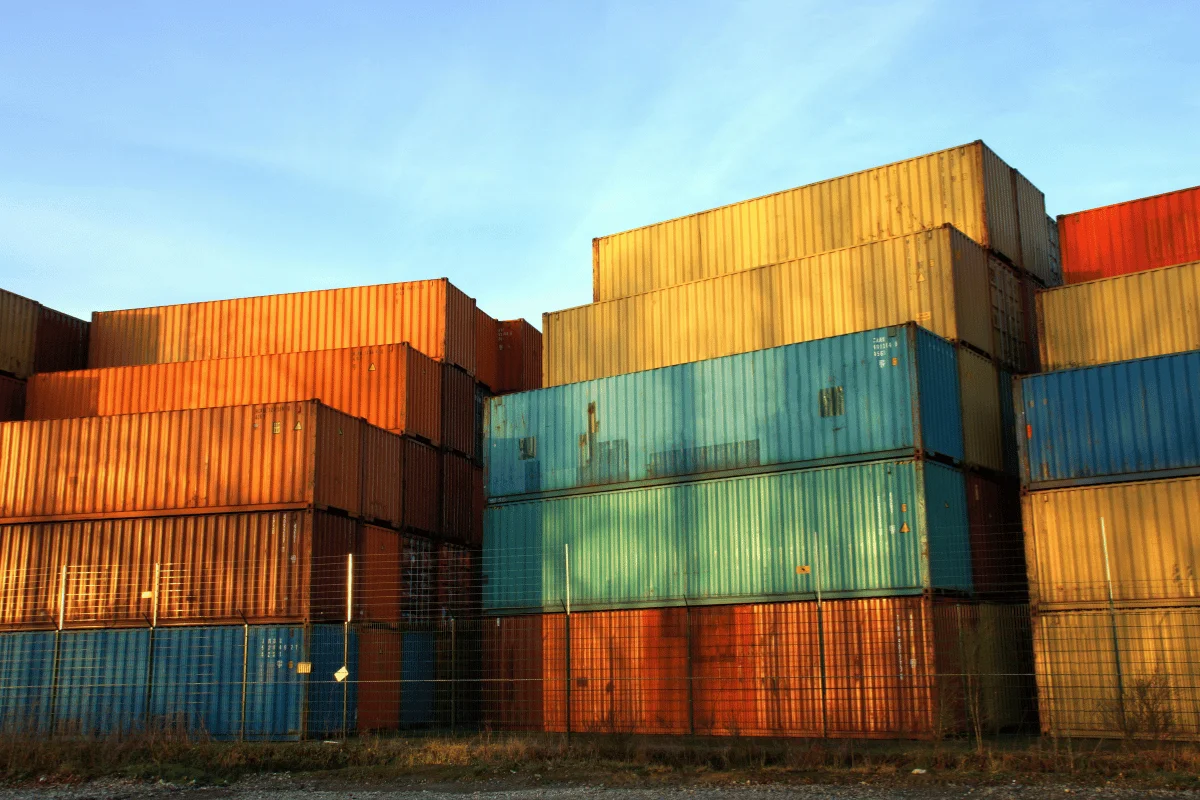
Before your goods are shipped, you might consider a pre-shipment inspection to check the quality and quantity of your products. This valuable service includes physically inspecting the goods at the supplier’s facility or another designated location. It’s a great way to catch any issues with the products or packaging before shipping begins.
Choosing Between Air Freight and Ocean Freight
When it comes to shipping, there are two processes: air import freight forwarding process, and sea import freight forwarding process. Each has its own benefits and drawbacks:
Air Freight
When you need to get your goods delivered quickly, air freight is often the best choice. As the name suggests, this method relies on airplanes to transport cargo through the air, making it ideal for time-sensitive shipments or perishable goods that can’t afford delays.
While it typically comes with higher costs compared to ocean freight, air freight offers unmatched speed and reliability. It’s especially suitable for smaller, lighter shipments where the value of time outweighs the expense.
Ocean Freight
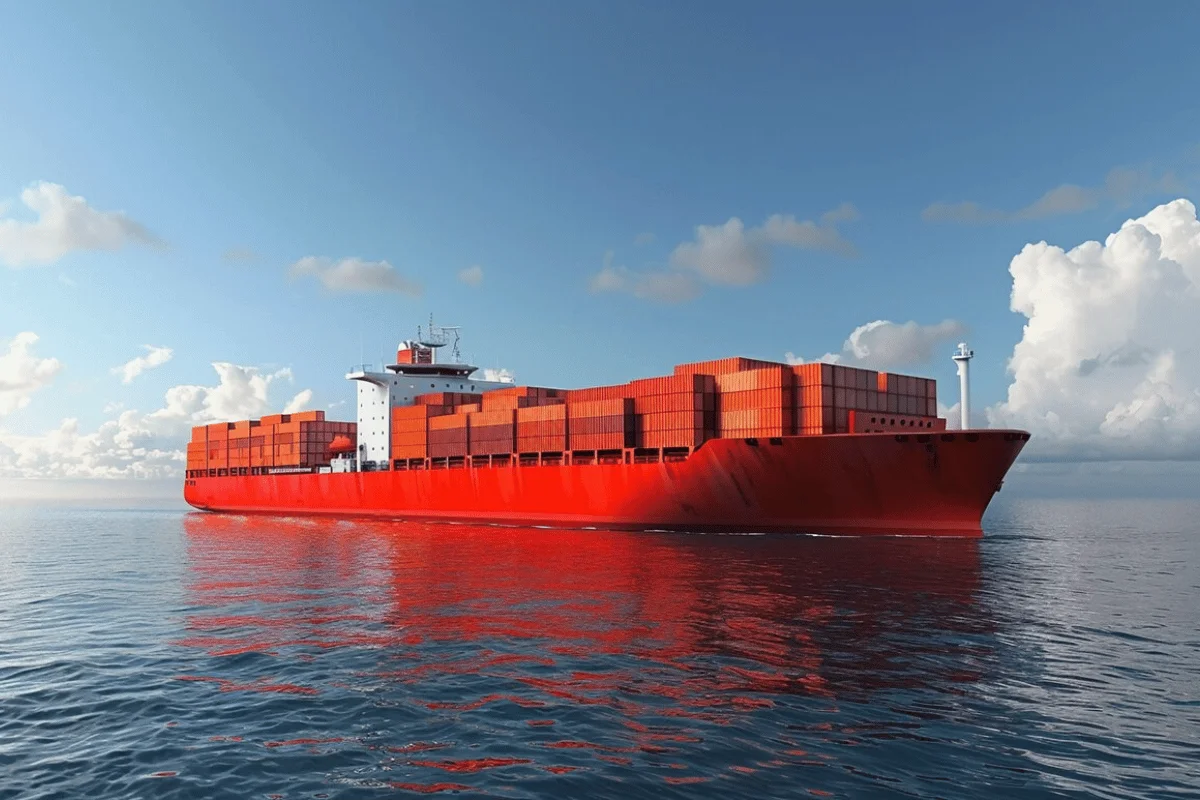
Ocean freight, also known as sea freight, is a reliable shipping method that uses cargo ships to transport goods across the seas. This option is often favored for its cost-effectiveness, especially when handling larger shipments or bulky, heavy goods.
Though slower than air freight, ocean freight provides an excellent solution for shipments that aren’t time-sensitive. It’s the go-to choice for businesses looking to balance efficiency and budget when transporting goods over long distances. When you need to move large volumes without breaking the bank, ocean freight ensures your cargo arrives safely and affordably.
When shipping by ocean freight, you can choose between two options:
- Less than Container Load (LCL): Your goods are combined with other shipments in a shared container, making it an affordable choice for smaller quantities.
- Full Container Load (FCL): Your cargo gets an entire container to itself, offering greater control and often quicker transit times.
In most cases, your freight forwarder can help you decide between LCL and FCL based on your shipment’s size, destination, and specific needs. To dive deeper into the differences and figure out which option suits you best, check out our comprehensive guide on FCL vs. LCL.
Intermodal vs. Multimodal Shipping Options
When it comes to shipping goods internationally, especially imports from China, it’s important to choose a method that aligns with your logistics needs. Two common approaches are intermodal and multimodal transportation.
- Intermodal Shipping: This method uses multiple modes of transport—such as trucks, trains, and ships—with separate contracts for each leg of the journey. While it offers flexibility and control, it also requires coordinating with multiple service providers, which can add complexity.
- Multimodal Shipping: In contrast, multimodal shipping relies on a single contract for the entire journey. This streamlines the process, often resulting in faster deliveries and fewer logistical headaches. For businesses prioritizing simplicity and efficiency, multimodal is a reliable solution that ensures your cargo moves seamlessly from origin to destination.
Door-to-Door Shipping and Final Delivery
Freight forwarders like Ship4wd provide comprehensive door-to-door shipping services, covering the entire transportation process from the agreed-upon starting point—whether it’s your supplier’s facility, warehouse, or another designated location—to your final delivery destination.
Door-to-door shipping allows you to rely on your freight forwarder to handle all aspects of the process, including inland transportation, customs clearance, ocean or air freight, and final delivery. By streamlining these steps, you eliminate the need to coordinate with multiple logistics providers, ensuring a smoother and more efficient shipping experience.
Alternatively, port-to-port shipping allows your international freight forwarder to handle the main transportation leg while you manage customs clearance, inland transportation, and final delivery independently, either in-house or with local service providers.
Factors Affecting Shipping Costs and Transit Times
Planning an import shipment? Understanding what affects shipping costs and transit times is key to staying on budget and on schedule. These factors can vary widely depending on your needs, so it’s important to work with your digital freight forwarder to create a shipping strategy that balances cost and efficiency.
Here are some of the key factors that can influence your shipping:
- Distance between origin and destination
- Shipping mode (air or ocean)
- Shipment size and weight
- Peak seasons and market conditions
- Fuel costs and surcharges
- Cargo type and handling requirements
- Insurance and security requirements
- Routing and transit route optimization
Your freight forwarder will provide a tailored freight quote based on your specific requirements. By partnering with a trusted digital freight forwarder and using their expertise and advanced technology, you can streamline your shipping, cut unnecessary costs, and ensure your goods arrive safely and on time.
The Importance of Cargo Insurance
Keeping your goods safe during transit is essential, and cargo insurance offers valuable financial protection against risks like loss, damage, or theft.
While carriers may provide limited liability coverage, it often falls short of covering the full value of your shipment. Choosing additional cargo insurance through your freight forwarder ensures your goods are fully protected, giving you peace of mind and shielding your business from unexpected setbacks.
Handling Customs Clearance and Documentation
Customs clearance is a crucial step in the import process. It involves following regulations and submitting the right documents. Knowing the ins and outs of customs clearance and the required paperwork is key to ensuring your import goes smoothly and without any hitches.
The Role of a Freight Forwarder in Customs Clearance
Freight forwarders simplify customs clearance as part of their international shipping services. They handle essential documentation and procedures to ensure compliance with regulations, helping goods clear customs smoothly and reach their destinations. This lets businesses stay focused on their core activities.
Overview of the Customs Clearance Process for Importers in the USA
The customs clearance process in the United States is a key step in ensuring your goods meet all regulations and enter the country smoothly. Working with a digital freight forwarder makes this process easier, as they guide you through each stage, starting well before your goods arrive.
The process begins even before the goods reach the U.S. port of entry, with preparations like gathering the necessary documents and understanding any required duties and taxes.
Once the goods arrive—whether by air or sea—the forwarder helps you file the paperwork, pay the duties, and work with U.S. Customs and Border Protection (CBP) to clear your goods for delivery to your designated location.
The key steps in the customs clearance process include:
- Obtain a Customs Bond: In order to begin the importation process, Importers must obtain a customs bond, which guarantees payment of duties, taxes, and other fees to U.S. Customs and Border Protection (CBP).
- File Entry Documents: The importer or freight forwarder must file documents with CBP, including a commercial invoice, packing list, air waybill or bill of lading, and Customs Entry Filings (CBP Form 3461 and 7501).
- Pay Duties and Taxes: The importer is responsible for paying any applicable duties, taxes, and fees based on the imported goods’ classification and value.
- Manual Check: CBP may conduct a physical inspection of the imported goods, usually prompted by risk factors such as inconsistencies in documentation, declared value issues, or flagged shipments. While random inspections can occur, they are less common. If selected, the importer or their freight forwarder must ensure the goods are available for CBP representatives to inspect.
- Clear Goods: After all requirements are fulfilled, CBP will clear the goods, allowing them to be delivered to the importer’s specified location.
Essential Documents Required for Importing
When importing goods into the United States, there are several key documents you’ll need to help make the customs clearance process smoother and ensure you’re meeting all the necessary regulations. These documents give important details about the shipment, including its contents, value, and origin, so CBP and other agencies can assess whether everything’s in order.
Some documents may depend on how your goods are being shipped (like ocean or air freight), while others might be needed based on the type of goods you’re importing. Your freight forwarder can help you submit these documents and guide you through the process.
The following list outlines the key documents that importers must typically provide:
- U.S. Customs Bond: Required to ensure payment of duties, taxes, and fees to U.S. Customs and Border Protection (CBP).
- Commercial Invoice (CI): A detailed invoice containing information about the goods, their value, and the parties involved in the transaction.
- Packing List (PL): A document that itemizes the contents of each package in the shipment, including weights and dimensions.
- Bill of Lading (for Ocean Freight) or Air Waybill (for Air Freight): A legal document issued by the carrier that acts as a receipt for the goods and evidence of the transportation contract. There are important differences between the two.
- Importer Security Filing (ISF): Also known as “10+2,” this filing must be submitted to CBP at least 24 hours before goods are loaded onto an ocean vessel at the foreign port of origin. It’s a security measure designed specifically for ocean freight and includes ten data elements from the importer and two from the carrier. This helps CBP assess potential risks before the shipment reaches the U.S.
- Certificate of Origin (CoO): A document that certifies the country of origin of the imported goods, which may be required for certain products or to qualify for preferential trade agreements.
- Entry/Immediate Delivery Form (CBP Form 3461): This form is submitted to request the release of goods upon arrival, providing preliminary shipment details for expedited processing.
- Entry Summary (CBP Form 7501): Filed after Form 3461, this form finalizes the entry process by declaring the shipment’s classification, value, and applicable duties and taxes.
- ACE Import Manifest Documentation: A digital system overseen by CBP, which requires the submission of manifest data prior to the arrival of goods. It enables advanced risk evaluation and smoother customs clearance.
- Import Licenses and Permits: Certain goods may require specific licenses or permits based on regulations from relevant U.S. agencies. Always check for industry-specific requirements.
If you’re importing dangerous goods, such as lithium batteries or products containing them, you may need to secure the following additional documents:
- Material Safety Data Sheet (MSDS/SDS): This document is essential for shipments containing dangerous goods, such as hazardous materials like lithium batteries or devices that include them.
- Dangerous Goods Declaration (DGD): This declaration is needed for shipments of dangerous goods to ensure they are safely managed and transported.
Customs Duties, Tariffs, Quotas, Trade Agreements, and Anti-Dumping Measures

When importing goods with a freight forwarder, it’s important to be aware of the various costs involved beyond just shipping. These include duties, tariffs, quotas, and anti-dumping measures, all of which play a key role in determining the total cost of your imports and ensuring compliance with U.S. regulations:
- Duties and Tariffs: Customs levies duties (taxes) on imported goods for both revenue and regulation. Tariffs, a specific type of duty, help protect local industries by making imported goods more expensive, thus balancing competition with domestic products.
- Quotas: These set limits on how many goods can be imported in a certain period. They help prevent foreign goods from flooding the market and harming local industries.
- Anti-dumping Measures: To safeguard domestic businesses, these measures impose extra duties on goods sold at unfairly low prices, such as below production cost, in the U.S. market.
- Trade Agreements: Countries often enter trade agreements that can reduce or eliminate certain tariffs and duties, making importing more cost-effective.
- Product Standards and Regulations: All products imported to the U.S. must meet established safety and quality standards. Certain industries may have additional specific regulations.
- Intellectual Property Rights: It’s important to ensure that your imported products don’t infringe on patents, trademarks, or copyrights to avoid legal issues.
Understanding these costs and restrictions is key to making informed decisions. Your freight forwarder, like Ship4wd, is there to guide you through these complexities, helping with customs clearance to ensure that your goods arrive smoothly and meet all the necessary regulations.
Start Your Importing Journey with Ship4wd
Ship4wd is your trusted partner for international shipping, offering a full range of services designed to support your business. Our easy-to-use digital platform lets you quickly get freight quotes, book air and ocean freight, and choose between FCL and LCL options. We also assist with cargo insurance, customs clearance, and final delivery.
To make your importing process even smoother, we offer pre-shipment inspections, advanced tracking, financing options, and 24/7 customer support. Our team is here to help you navigate the platform and manage your shipments effortlessly.
Sign up with Ship4wd today and let us streamline your import and shipping process, allowing you to focus on what matters most: sourcing new products and growing your business.