

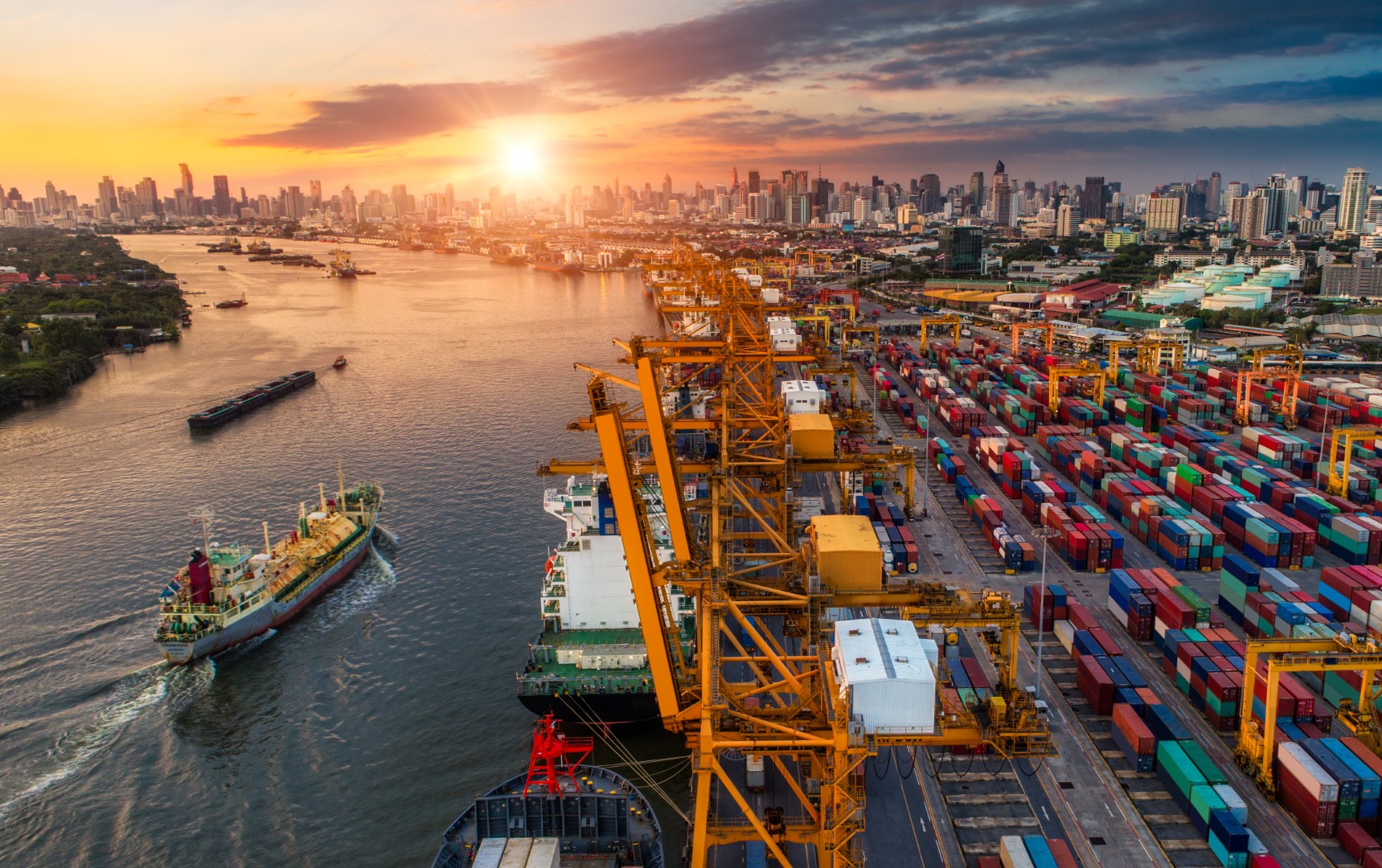

President Trump’s recent announcements about potential changes to Panama Canal operations have caught the attention of businesses involved in international trade. As the administration signals intentions to modify the canal’s status quo, importers and logistics professionals closely monitor potential impacts on their supply chains.
For U.S. businesses engaged in international trade, the Panama Canal represents a crucial maritime gateway, facilitating approximately 40% of U.S. container traffic and supporting an estimated $270 billion worth of goods annually. Given this significance, any proposed changes to its operation could have substantial implications for your import operations and bottom line.
In this post, we’ll examine the Panama Canal’s role in U.S. trade, analyze the proposed changes, and explore what these developments could mean for your business’s shipping operations. If you want to learn about the fascinating history of the Panama Canal, check out our previous post on its development.
The Significance of the Panama Canal for U.S. Importers
The Panama Canal plays a vital role in U.S. international trade, particularly for imports flowing into the country’s East Coast.
According to 2024 statistics from the Panama Canal Authority, the most significant import route through the Panama Canal is from Asia to the U.S. East Coast, with 44.3 million long tons of cargo annually passing through the canal. This maritime pathway serves as a vital link for U.S. businesses importing from Asian markets, particularly China and Southeast Asia.
In addition, another significant import route links the West Coast of South America to the U.S. East Coast, accounting for approximately 19.3 million long tons of cargo.
Beyond these major trade routes, the Panama Canal facilitates several other important import routes to the U.S. West Coast. These include shipments from European ports and the east coast of South America. While these routes handle lower cargo volumes compared to the dominant Asia-East Coast corridor, they play an important role in diversifying U.S. import options and maintaining robust supply chain alternatives for businesses.
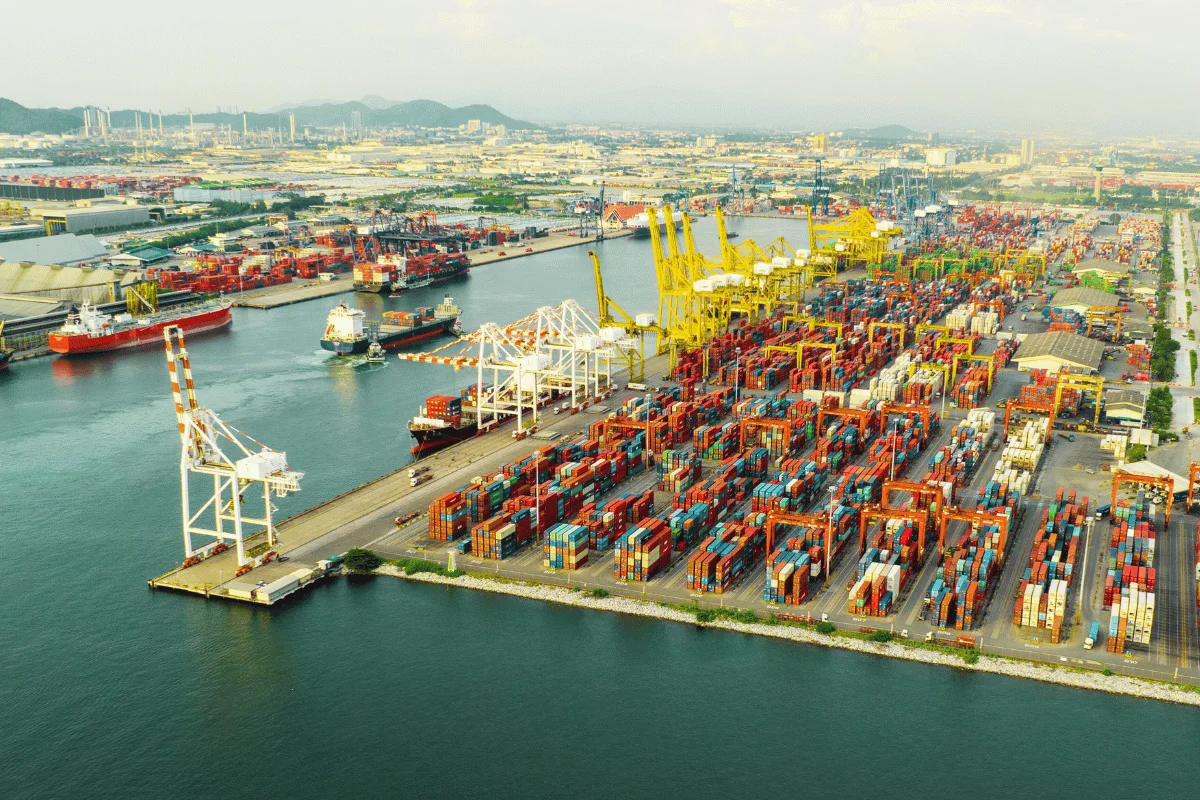
Alternatives to the Panama Canal for Shipping from Asia to the U.S. East Coast
For businesses importing from Asia to the U.S. East Coast, several alternative routes exist when Panama Canal transit isn’t optimal or available. Here are the main options:
West Coast Ports + Rail/Truck Transport
This is the most commonly used alternative. It involves shipping to major West Coast ports like Los Angeles, Long Beach, or Seattle, followed by inland transportation to East Coast destinations.
While this route typically offers faster overall transit times, the additional inland transportation costs can impact margins. However, many importers prefer this option for its reliability and established infrastructure.
Suez Canal Route
Another viable alternative is routing vessels through the Suez Canal. This journey takes ships from Asia through the Indian Ocean and Red Sea, then across the Mediterranean and Atlantic to reach East Coast ports. While transit times are longer compared to the Panama Canal route, it serves as an alternative, particularly when Panama Canal capacity is constrained or rates are unfavorable.
Air Freight Solutions
When speed is crucial, air freight offers a reliable alternative to ocean routes. Although air freight rates are generally higher than shipping by sea, it offers unmatched transit times and enhanced flexibility for businesses needing rapid delivery to the U.S. East Coast.
This option particularly benefits importers managing:
- Time-sensitive inventory
- High-value merchandise requiring enhanced security
- Urgent market demands
- Products with shorter shelf lives
- Supply chain adjustments requiring quick turnaround
- Smaller volume shipments from multiple sourcing locations
Less Common Alternatives

Two maritime routes exist that commercial carriers rarely utilize due to practical limitations:
- Strait of Magellan: A narrow passage at South America’s southern tip that offers an alternative to Cape Horn. Limited commercial use stems from challenging navigation conditions and strong winds that make transit complex and unpredictable.
- Cape Horn Route: Circumnavigating South America’s southernmost point is the least efficient shipping option. Vessels face extended transit times, higher fuel consumption, harsh weather conditions, and significantly increased operational costs.
Most importers typically rely on either West Coast ports with inland transport, air freight, or the Suez Canal route when seeking alternatives to the Panama Canal. These options provide the most practical balance of cost, transit time, and reliability for commercial shipping operations.
Trump’s Proposed Changes to the Panama Canal
The U.S. is Panama’s biggest trade and investment partner, with trade reaching over $12 billion in 2023 and investments of nearly $4 billion.
While the U.S. holds the top spot, China is now the second biggest investor in Panama.
The following are some of President Trump’s proposals concerning the Panama Canal:
Reducing Costs for U.S. Ships
Trump has vocally criticized the canal’s toll fees as “exorbitant” and unfair to American shipping and naval vessels. His primary objective is to secure reduced fees or establish preferential rates for American ships, ultimately aiming to lower overall shipping costs for U.S. maritime operations.
Addressing Perceived Chinese Influence
At the core of Trump’s strategy is a concerted effort to challenge China’s growing presence in the Panama Canal region. He argues that China has gained excessive control through strategic investments and logistics operations, a claim that both Panama and China dispute.
A Hong Kong-based company, Hutchison Ports, already operates two major ports at both ends of the canal (Balboa and Cristobal), handling critical cargo movement, fuel supplies, and logistics.
The geopolitical landscape became more complex in 2017 when Panama joined China’s Belt and Road Initiative, creating a significant opportunity for future Chinese infrastructure investments. Following intense U.S. pressure, Panama’s president announced the country will exit the initiative and may cut ties early to align more closely with the U.S.
Between October 2023 and September 2024, China was responsible for 21.4% of the total cargo volume passing through the Panama Canal, ranking as the second-largest user after the United States.
Intentions to Reestablish U.S. Control
Trump has suggested reclaiming U.S. authority over the canal if Panama does not align with American interests.
While most people are likely to view these statements as political rhetoric, they raise significant concerns about potential increased diplomatic pressure on Panama. By framing the issue as a national security concern, Trump argues that the U.S. must prevent strategic infrastructure from falling into “the wrong hands.”
What This Could Mean for U.S. Importers
The impact of U.S. involvement in the Panama Canal extends beyond immediate shipping costs and geopolitical developments. Since 2020, businesses have experienced a range of global challenges, from pandemic-related supply chain disruptions to geopolitical tensions and extreme weather events. The Panama Canal situation represents just one chapter in a broader narrative of ongoing global trade uncertainties.
If Trump successfully pushes for lower toll fees, American-operated ships could see reduced costs, making shipping from Asia to the U.S. East Coast more affordable, a crucial trade route for many businesses. Yet, despite this, the potential for disruption remains significant. For instance, Chinese-operated ships or infrastructure could face challenges, potentially causing supply chain interruptions if China retaliates or shifts its shipping priorities.
The key lesson for small and medium-sized businesses is supply chain resilience. With continuous global disturbances, companies cannot afford to rely on a single shipping route or make any assumptions about political stability.
The unpredictability of geopolitical tensions demands a more adaptive approach to shipping logistics and international trade. Businesses must develop strategies that allow for rapid route adjustments, cost management, and operational flexibility.
At the end of the day, successful importers will be those who can quickly adapt to changing circumstances, diversify their shipping routes, and maintain the agility to respond to unexpected global challenges.
Working with trusted freight forwarders like Ship4wd becomes crucial in navigating these complex and ever-changing trade landscapes.
Ship4wd: Your Trusted Shipping Partner
When navigating complex global shipping landscapes and geopolitical tensions, finding a reliable logistics partner becomes crucial. Ship4wd steps in to manage the intricacies of international trade, ensuring your supply chain remains resilient and efficient.
We handle the transportation of your goods through evolving global trade environments, allowing your business to focus on growth and strategy while we manage the logistics complexities.
With our robust logistics network and deep industry expertise, we’re always exploring new ways to help our customers diversify their trade routes.
Our services include:
- Air and Ocean Freight: Choose between air and ocean freight, with options like Full Container Load (FCL) and Less than Container Load (LCL).
- Customs Clearance: We take care of customs clearance and submit the necessary documentation on your behalf. This streamlines the clearance process and minimizes potential delays and unexpected costs.
- Cargo Insurance: Protect your shipments with comprehensive cargo insurance, safeguarding your goods from potential disruptions and risks.
- Pre-Shipment Inspections: Evaluate the quality, packaging, and labeling of your goods to ensure they meet your standards and comply with the destination country’s requirements before they leave your supplier’s facility.
- Advanced Tracking: Track your shipment at any time, providing complete visibility into your cargo’s journey from origin to destination.
- Secure Payment Methods: We offer secure payment options like credit card, wire transfer, or ACH debit.
- Financing Options: Eligible businesses can benefit from extended payment terms of up to 90 days after the shipment arrives, helping manage cash flow even during challenging market conditions.
As part of our commitment to your success, we’re here to offer you the support you need every step of the way. Our dedicated customer support team stands ready 24/7 via chat, email, and phone to address your concerns, help you track your shipments, and assist you with navigating our user-friendly platform.
Ship4wd lets you focus on growing your business while we handle the complexities of global shipping. Sign up with Ship4wd today for reliable shipping solutions.