



Freight-out affects more than shipping — learn how it impacts your bottom line and accounting accuracy.
Selling your finished goods involves various processes, including managing freight-out costs and operations.
Whether you’re sending products across town or the globe, it’s essential to know how to account for freight-out and control its impact on your financials.
In this post, we’ll talk about what freight-out costs mean, how they affect your business expenses, and how you can record them accurately. We’ll also discuss how you can manage and reduce them to improve your bottom line.
A major part of managing freight-out costs involves optimizing shipping and logistics costs, which you can achieve with the right freight forwarder. Ship4wd stands out as a cost-efficient, transparent, and SMB-dedicated forwarder.
Our mission is to help sellers like you enjoy simplified shipping and reduced shipping costs by leveraging advanced technology and innovative solutions, including route optimization and better carrier selection.
Optimize your freight-out expenses with us now.
What Is Freight Out?
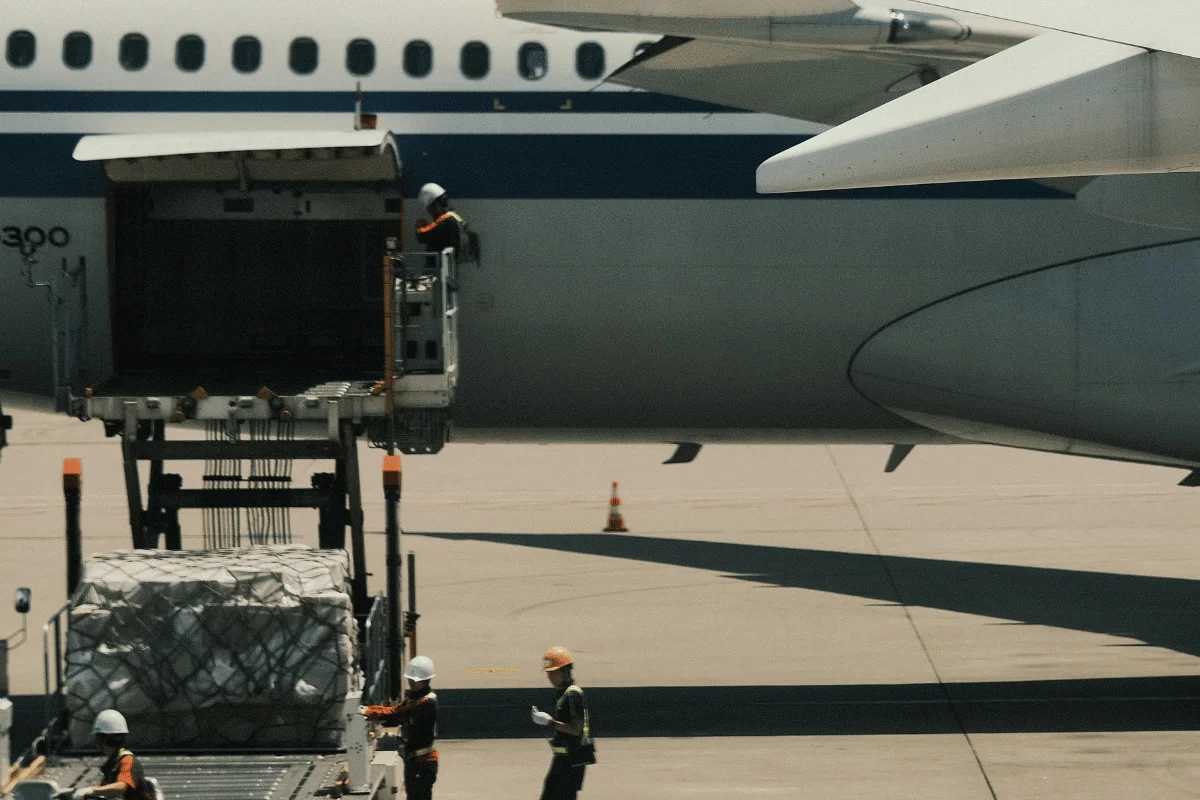
Freight-out is the cost you incur as a seller when you ship finished goods to your customers.
Also called transportation-out, delivery expenses, or carriage outwards, freight-out happens when you offer “free shipping” or are contractually responsible for the cost of delivering goods to your customers.
Freight-out is part of outbound freight, which is why it’s also called outbound freight cost.
The destinations related to freight-out costs and shipments can include the customer’s doorstep and the distributor’s, retailer’s, or wholesaler’s premises.
Note: Freight-out is the opposite of freight-in, which is the cost incurred to bring components, finished goods for resale, or raw materials into a business.
Is Freight Out a Selling Expense?
For the seller, freight-out is a selling expense and is recorded as a separate expense under operating expenses.
Example of Freight Out
A good example of freight-out is when you sell products with a “free shipping” promotion and use a third party, such as a freight forwarder, to ship them.
The cost you incur to send the goods to the customers is the freight-out cost.
Let’s say you sell furniture worth $25,000 and spend $750 to deliver the shipment. The $750 would be recorded as a freight-out expense.

The Importance of Freight Out in Accounting
Freight-out plays an important role in freight accounting, especially in understanding business expenses, cost control, and profitability.
While it’s not the most glamorous line item, here’s how it matters, especially when you ship physical products:
- Accurate Profit Measurement: Since freight-out is part of operating expenses, it directly reduces operating profit. Properly accounting for the costs ensures you don’t overstate operating profit and net margins. If you ignore the costs, your profits may look higher than they are.
- Accurate Financial Reporting: Classifying freight-out costs correctly under operating expenses as a selling expense shows clarity and transparency, helping you, lenders, auditors, and investors understand the structure of operating costs.
- Tax Deductions: Freight-out costs are a tax-deductible expense in most jurisdictions. Recording them properly helps reduce your taxable income, which lowers your tax burden.
- Devising Pricing Strategy and Cost Control: Tracking freight-out costs helps you analyze trends in shipping costs so you can decide whether to pass the costs to your customers or offer “free shipping.”
Factors That Drive Freight Out Costs
Freight-out costs can vary significantly depending on several logistical, strategic, and operational factors, including:
- Shipping Distance and Customer Location: Longer distances generally mean higher shipping expenses because the shipment uses more labor and fuel. Remote or rural deliveries may include extra costs. Residential deliveries also usually cost more than commercial ones.
- Demand and Supply: High demand for shipping capacity usually results in higher freight expenses as carriers charge more due to the increased competition between shippers.
- Fuel Prices and Surcharges: Most carriers apply fuel surcharges (that often change) to reflect market fuel prices. Higher fuel prices and the corresponding surcharges lead to higher freight expenses.
- Type of Goods: Heavier and larger shipments require more space and consume more fuel and labor, costing more to ship. Also, hazardous cargo (like shipping batteries) or perishable items can incur higher costs because they require special handling.
- Transportation Mode: Faster shipping modes are more costly. For example, air freight is usually more expensive for most shipments than ocean freight.

Recording Freight Out Accurately
As mentioned, accounting for freight-out costs is important.
Let’s examine how you should record it accurately across different locations when making the payment to a third party, such as a carrier or freight forwarder:
1. Recording Freight-Out in the Chart of Accounts
You should have a line for freight-out expense or delivery expense in the chart of accounts under:
- Operating Expenses
- Selling Expenses
- Freight-out Expense
2. Journal Entry with a Freight-Out Expense Account
If you have a specific freight-out expense, you debit the freight-out expense account and credit the cash or accounts payable.
Using the earlier example, the record will be:
- Debit: Freight-out Expense, $750
- Credit: Cash, $750 (if you pay immediately), or Accounts Payable, $750 (if you pay later)
3. Journal Entry without A Freight-Out Expense Account
If you don’t have a dedicated freight-out expense account, here’s how you’ll record the transaction:
- Debit the cash account if you pay in cash, or debit the accounts payable if you pay on credit.
- Credit the inventory account to show that you no longer possess that inventory.
Using the same example above, the record will appear as:
- Debit: Cash account, $750 (or Accounts Payable, $750)
- Credit: Inventory, $750
4. Recording Freight-Out on the Income Statement
Freight-out is shown as a selling expense under operating expenses in the income statement.
Mistakes to Avoid in Managing Freight Out Costs
It can be overwhelming to manage freight-out costs, especially when your operations are massive and you are doing it alone.
You must avoid the mistakes below as they can be costly:
- Poor Free Shipping Cost Analysis: You might offer free shipping without adequately modeling its financial impact, leading to eroded margins, especially on heavy shipments or low-value items. Conduct a detailed cost-benefit analysis and consider conditional free shipping or adjusting pricing to offset freight costs.
- Treating Freight-Out as Part of COGS: Recording freight-out charges under COGS is incorrect because they are a selling expense rather than a production or an inventory acquisition cost. Doing this misrepresents the gross profit and defies the matching principle in accounting. You should always classify freight-out as a selling expense.
- Not Tracking Freight-Out Separately: Bundling freight-out costs with general expenses or ignoring them altogether can result in misstating your operating profit and net margins. Have a dedicated freight-out account to simplify recording, tracking, and analyzing.
- Not Auditing Carrier or Freight Forwarder Invoices: Freight invoices may have billing errors, overcharges, surcharges, or incorrect rates. If there are hidden costs, they can increase your costs. You must audit the invoices to avoid missing opportunities for corrections and refunds.
- Not Negotiating Rates or Volume Discounts: Failure to ask your carrier or freight forwarding company for better rates or bulk pricing can mean leaving money on the table, especially if you ship often. Negotiate with your carrier for discounts or use a cost-efficient forwarder.
- Using Inefficient Shipping Methods: Always choosing the fastest option instead of the cost-effective one can lead to unnecessary cost increments, especially for non-urgent shipments.

How to Optimize Freight Out Management
There are many general and specific ways to avoid these mistakes and better manage your freight-out costs.
Let’s consider a few:
- Capacity Building: You should learn as much as possible about logistics and shipping processes. With the right knowledge, it’s easy to negotiate better rates with carriers and freight forwarders. You can also train your logistics staff, ensuring they are up-to-date with trends in shipping costs.
- Optimize Routes and Shipping Methods: Use the most cost-effective routes and transportation modes for each shipment. For example, if the goods are non-urgent, sea freight can be cheaper.
- Hire Professional Accountants: Outsource your freight accounting to a professional accountant or accounting firm so you can dedicate the time you’ll save to growing your business.
- Consolidate Shipments: Combine smaller orders into larger deliveries to reduce fuel consumption and per-unit transportation expenses.
- Use Modern Technology: Leverage modern freight management technology or your freight forwarder’s software to streamline operations, track costs in real-time, or analyze cost data.
Generally, a freight forwarder partnership can help you implement most of these and many other solutions so you handle your freight-out costs and processes better.
At Ship4wd, we can help you consolidate shipments and optimize routes and shipping methods. Our proprietary technology allows you to obtain and compare shipping quotes from multiple carriers, which is essential for cost clarity and transparency.
Additionally, our logistics experts are always ready to help you with any queries or concerns regarding a shipment.
Register with Ship4wd today to streamline your freight-out operations and manage the costs better.

Frequently Asked Questions (FAQs)
Here are answers to extra questions you may have regarding freight-out expenses:
Can Freight Out Be Deducted for Tax Purposes?
Yes. In most cases, you can deduct freight-out costs as a business expense for tax purposes.
How Is Freight Out Treated Under GAAP?
Under Generally Accepted Accounting Principles (GAAP), freight-out is recognized as a separate period expense. It is recognized as a separate expense on the income statement under operating expenses in the same accounting period as the revenue associated with the sale of the goods.
The idea is to follow the matching principle in accrual accounting, which requires expenses to be recognized in the same period as the revenues they help generate.
Since freight-out costs result from fulfilling customer orders, they are logically and financially linked to the sale.
Can Freight Out Be Passed to Customers or Billed Separately?
Yes, you can pass freight-out costs to customers by letting them manage the logistics or offering paid shipping.
In the latter option, you can also bill freight-out costs separately on the invoice to itemize the shipping charges. This is necessary if the customer demands it or the shipping cost is highly significant.
Conclusion
When managing and accounting for freight-out costs, you want to avoid mistakes that can increase your overall cost of doing business.
For example, working with the wrong carrier, performing poor cost analysis when offering free shipping, or using inefficient transportation methods can increase shipping costs.
The good news is that you can simplify all your outbound shipping processes and optimize costs when you work with the right freight forwarding partner.
Ship4wd is a digital forwarder dedicated to helping sellers streamline shipping, minimize costs, and remain competitive in their sectors.
We have the technology, innovative solutions, and real logistics experts to help you optimize routes, shipping methods, and cost management practices.
Join us today to start shipping goods to your customers more efficiently and cost-effectively through better carrier selection, route optimization, and cost savings.