



Understand how freight charges like ‘freight-in’ and ‘freight-out’ impact your financial statements and cost calculations.
Feeling overwhelmed about understanding the differences between freight-in and freight-out costs? You aren’t alone.
The problem is that the two variables can be challenging to understand, especially in cost accounting.
In today’s freight in vs freight out guide, we’ll talk about the difference between the two, how you can account for them, and how they impact your business.
TL;DR – Freight In vs. Freight Out
Let’s start with a quick overview of the advantages and shortcomings of freight-in and freight-out costs:
| Freight In | Freight Out |
| Freight-in costs are the expenses you incur to ship raw materials to your business premises. | Freight-out costs are the expenses you incur to deliver finished goods to your customers. |
| Pros | Pros |
|
|
| Cons | Cons |
|
|
| Best For | Best For |
| Paying freight-in costs is ideal for businesses with physical inventory, especially if they buy in bulk and need to control profit margins by spreading freight charges over the goods sold. | Paying freight-out costs is ideal for businesses with frequent shipments or large order volumes looking to drive more sales by offering customers subsidized or “free shipping.” |
Optimizing your freight-in and freight-out costs can be tricky. You’ll need the help of logistics and shipping experts to implement strategies such as choosing reliable carriers, optimizing routes, and employing advanced technology.
At Ship4wd, we have an all-in-one digital platform that lets you optimize freight expenses through route optimization, better carrier selection, and competitive pricing.
Optimize your shipping costs with us now.

What Is Freight-In Accounting?
Freight-in accounting is one of the components of freight accounting and refers to systematically recording, classifying, summarizing, and reporting the expenses you incur when shipping raw materials from suppliers into your business.
In some cases, you might transport goods assembled elsewhere into your business for further processing or selling as is. The freight-in method also considers that cost.
Freight-in costs are also called inbound freight costs and are part of inbound freight.
Is Freight-In a Selling Expense?
No. Freight-in is considered a production expense, which you can capitalize into your inventory and later expense through COGS when you sell your finished products.
Is Freight-In Included in Cost of Goods Sold?
Yes. Freight-in is included in the cost of goods sold because it is directly associated with the direct cost of producing or acquiring goods meant for sale or getting raw materials to a point where they can be sold.
How to Calculate Freight-In
Here’s how to determine freight-in costs:
- Identify All the Component Costs: Depending on your shipping agreement with the seller, these can include shipping fees, surcharges, inspection fees, and other costs you may incur, such as customs charges.
- Add All the Costs Together: Sum up all the costs you’ve identified or incurred to get the total for that shipment. If you need the totals for a given period, sum up all the inbound freight costs within the selected duration.
- Express as a Percentage of Purchases: For analytical purposes, use the formula below to put freight-in charges as a percentage of purchases.
Freight-in Cost %= (Total Freight-in Costs ÷ Total Purchases) x 100
Let’s check out a quick example based on:
- $500 in transportation fees
- $200 in insurance fees
- $70 in surcharges, such as fuel surcharge and handling fees
Total freight-in costs = $500 + $200 + $70 = $770
If the total purchases in that month were $100,000 and the total freight-in costs were $5,000, the percentage would come to:
Freight-in Costs Percentage = ($5,000 ÷ $100,000) x 100 = 5%

What Is a Freight-Out?
Freight-out is the transportation of finished goods from a business’s premises, production facility, or warehouse to distribution centers or directly to customers. The process is also called outbound freight.
Freight-out costs are the expenses associated with the freight-out process. Accounting for these expenses is called freight-out accounting, one of the other components of freight accounting.
Is Freight Out a Selling Expense?
Yes. Freight-out costs are a selling expense as they relate directly to selling goods.
For example, you hire a freight forwarder to help ship goods to your customers and pay in cash. In the freight-out journal entry, you’ll debit the freight-out expense or selling expense account and credit the cash account.
Is Freight Out Included in the Cost of Goods Sold?
No. Freight out isn’t included in COGS because COGS accounts for the costs that directly go into buying or producing goods, such as raw materials and labor.
Freight-out expenses fall under SG&A (Selling, General, and Administrative) costs.
How to Calculate Freight Out
The process for calculating freight-out costs is similar to that of determining freight-in charges:
- Identify All the Component Costs: Capture all the costs related to the process, including freight expenses, insurance costs, handling fees, and more.
- Sum Up All the Costs: Add all the costs you’ve identified for that shipment. If you need the total costs over a period, sum up the costs of every shipment.
- Express as a Percentage of Sales: The formula below allows you to express the costs as a percentage of sales for analytical purposes.
Freight-out Costs %= (Total freight-out Costs ÷ Total Sales Revenue) x 100
From the foregoing, freight accounting can be tricky. While we don’t help directly with freight cost accounting, we can still save the day in different ways.
Our digital platform and collaborative approach to freight forwarding ensure you always have the right information and freight documents needed to record, classify, summarize, and report freight expenses.
Additionally, we help you manage your freight costs better by offering transparent pricing, providing access to better carriers, and optimizing routes and transportation modes.
Sign up for Ship4wd today to enjoy cost-effective inbound and outbound shipping through competitive carrier rates, transparent forwarding costs and fees, and better route selection.
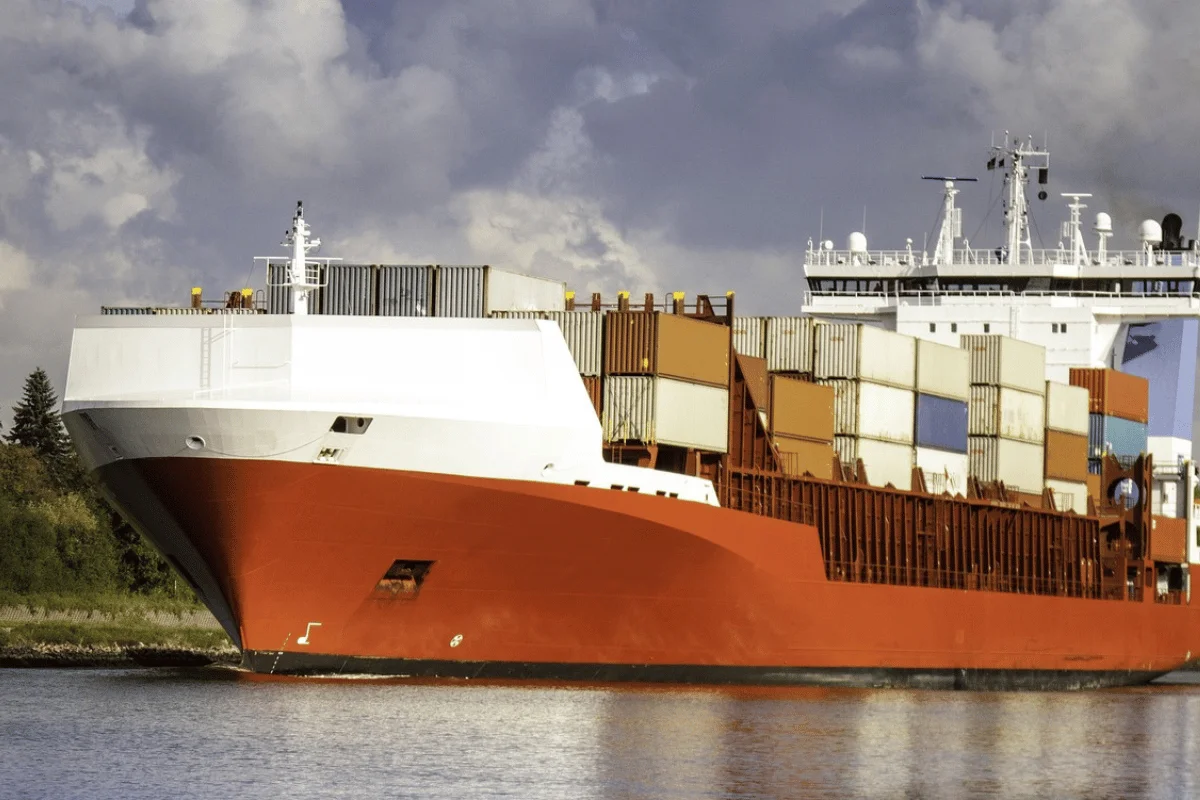
Relevant Characteristics Between Freight In and Freight Out
Now, let’s check out how freight-in and freight-out costs compare across different aspects:
| Freight In | Freight Out | |
| Definition | Costs associated with transporting raw materials from suppliers to your business. | Costs associated with transporting finished products from your business to individual or business customers. |
| Accounting Treatment | Before the goods are sold, the costs are added to the cost of goods. After the sale, they added to the cost of goods sold. | Typically considered an operating expense and taken directly from the sales revenue. |
| Impact on COGS | Increase the cost of goods sold. | There is no impact on COGS as they are part of selling expenses rather than expenses for acquiring or producing goods. |
| Responsibility | You, as the buyer, typically pay the costs. | You, as the seller, typically pay the costs. |
| Timing | The costs happen at the early stage or the first part of the supply chain. | The costs happen at the end stage or final part of the supply chain. |
| Examples | You buy goods for your e-commerce business from your supplier and pay for the shipping yourself. | You sell finished goods to a customer and pay the shipping costs yourself through free shipping. |
| Tax Deductibility | Generally deductible as a business expense. | Generally deductible as an operating expense. |
| Negotiability | You can negotiate with your seller or supplier, who should pay the costs. | You can negotiate with your buyer, who should foot the costs. |
| Reporting Location | Recorded in the inventory account before the sale and in the cost of goods sold after you sell the goods. | Operating expense recorded as a selling expense on the income statement. |
| Impact on Pricing | Increases the cost of acquiring inventory, thus increasing product prices as businesses seek to secure good profit margins. | Might increase the overall product price if you, as the seller, have to cover shipping costs. |
| Control Level | Your business has limited control through seller negotiations, Incoterms, and shipping volume. | Your business has moderate control through optimizing shipping methods, carrier choices, and shipping policies. |
Similarities and Differences
The above table shows several differences between freight-in and freight-out costs.
First, let’s explore the differences:
Freight In and Freight Out Differences
Freight-in expenses differ from freight-out expenses in:
- Responsibility: The buyer is typically responsible for freight-in costs, while the seller is responsible for freight-out costs. In a situation where you play both roles in different parts of the supply chain, you might have to cover both costs but could also cover none, depending on your agreements.
- Timing: Freight-in costs happen in the first part of the supply chain when you bring in raw materials. Freight-out costs occur in the last part of the supply chain when you ship finished goods to your customers.
- Accounting Treatment: Once you sell the goods, you add the freight-in costs to the cost of goods sold. Freight-out costs are an operating expense recorded on the income statement as a selling expense.
Freight In and Freight Out Similarities
The two cost variables are similar in some ways:
- Both can increase the prices of your finished products.
- Both are negotiable, as you can agree with the supplier or customer about who is responsible for freight-in or freight-out costs, respectively.
- Both can qualify for tax deductions.
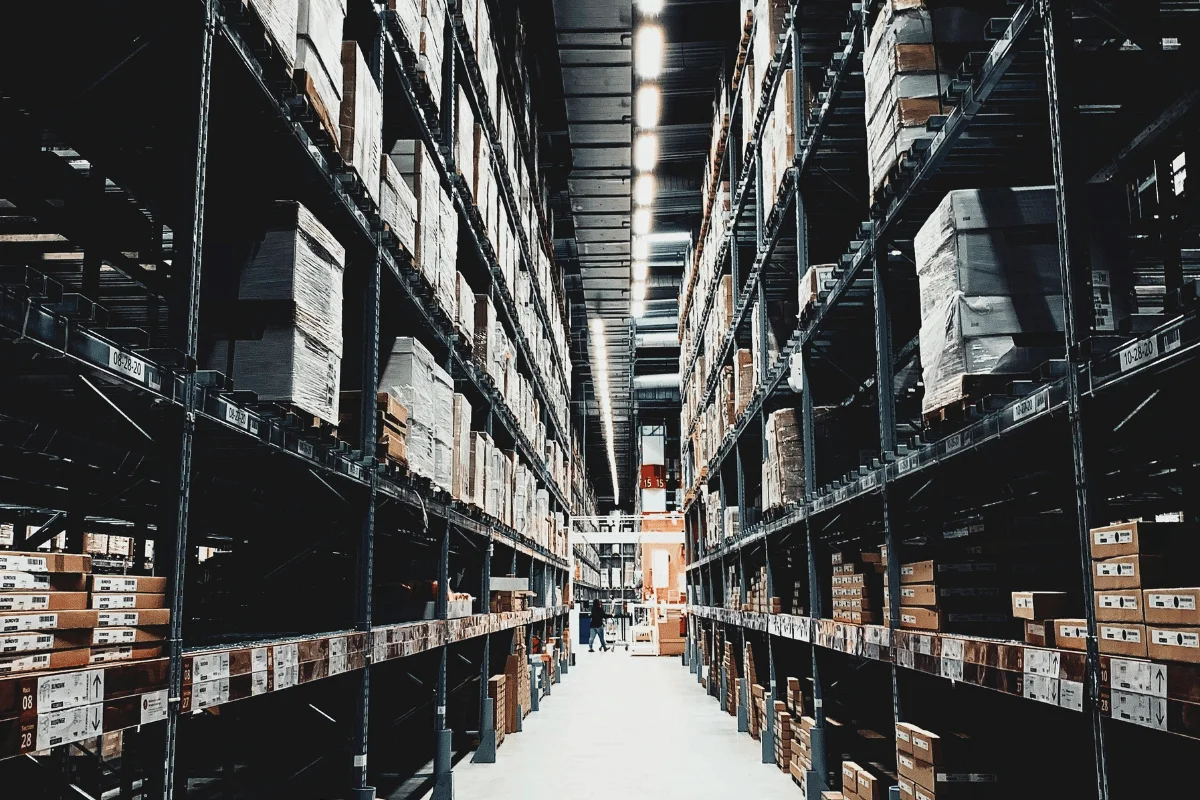
What About FOB Terms?
Free on Board is one of the other components of freight accounting and refers to an Incoterm principle that shows who is responsible for transportation costs between buyers and sellers in international trade.
FOB manifests in two ways:
- Free on Board Shipping Point or Origin: As the buyer, you’ll be responsible for transportation costs when the cargo leaves the seller’s shipping point.
- Free on Board Destination: The seller or supplier pays transportation costs until the goods arrive at your (the buyer’s) specified location.
Bottom Line
If you pay for both freight-in and freight-out costs, they reduce your profit margins because they increase the cost of goods sold and selling expenses, respectively.
However, you can negotiate with your supplier or customers to have them cover the costs.
If you have to cover the costs, your freight accounting process must record them accordingly in the respective locations. For example, you’ll record freight-in costs as an increase in the cost of goods sold once you sell the finished goods.

Frequently Asked Questions (FAQs)
Let’s sign off this freight-in vs. freight-out guide with a few common questions.
How Does Freight-In Affect Inventory Valuation?
Freight-in costs increase the value of the inventory, so the cost of goods on hand correctly shows all the expenses incurred to acquire them.
Can Freight Out Be Passed on to Customers?
In some cases, you can pass on freight-out costs to your customers.
In such cases, you indicate at the time of the sale that the customer will pay for the transportation of their purchase from your premises to their preferred address.
What Are Common Accounting Entries for Freight In and Freight Out?
Besides the accounting entries mentioned above, freight-in and freight-out charges can feature in other accounting systems.
The income statement reports freight-in costs under the sales umbrella as COGS when the inventory associated with these costs is sold. Freight-out costs are put under the operating expenses as a selling expense.
In the balance sheet, freight-in costs are recorded in the inventory account. Where the customer is to pay for freight-out costs but hasn’t yet done so, the costs appear under accounts receivable.
While accounting for freight-in and freight-out costs can be easy, optimizing them can be a challenge. You can work with a digital freight forwarder to help you streamline your shipping systems and reduce the impact of these costs on your profit margins.
Join us today at Ship4wd to start shipping seamlessly and cost-effectively through transparent shipping services and quotes, 24/7 attention and support, and proactive problem resolution.