


Avoid common freight-in accounting errors and streamline your cost tracking with best practices that work.
Logistics and shipping are all about moving goods from point A to point B efficiently, safely, and cost-effectively. However, tracking all those shipments can easily get complicated, especially when it comes to maintaining accurate financial records.
That’s where knowing key aspects, such as freight-in and why it matters for your business, comes in handy.
In today’s guide, we’ll discuss what freight-in means, how to account for it accurately, and why it’s important in cost of goods sold, controlling costs, and valuing inventory.
The bottom line is that shipping and logistics can be challenging for an e-commerce business or SMB. You’ll need the help of experienced experts to move goods and account for costs correctly.
At Ship4wd, we can help you with all your shipping needs, including accurately describing your shipment details when moving goods via air freight or ocean shipping.
Join us today to optimize your freight-in shipping processes and costs.

What Is Freight In?
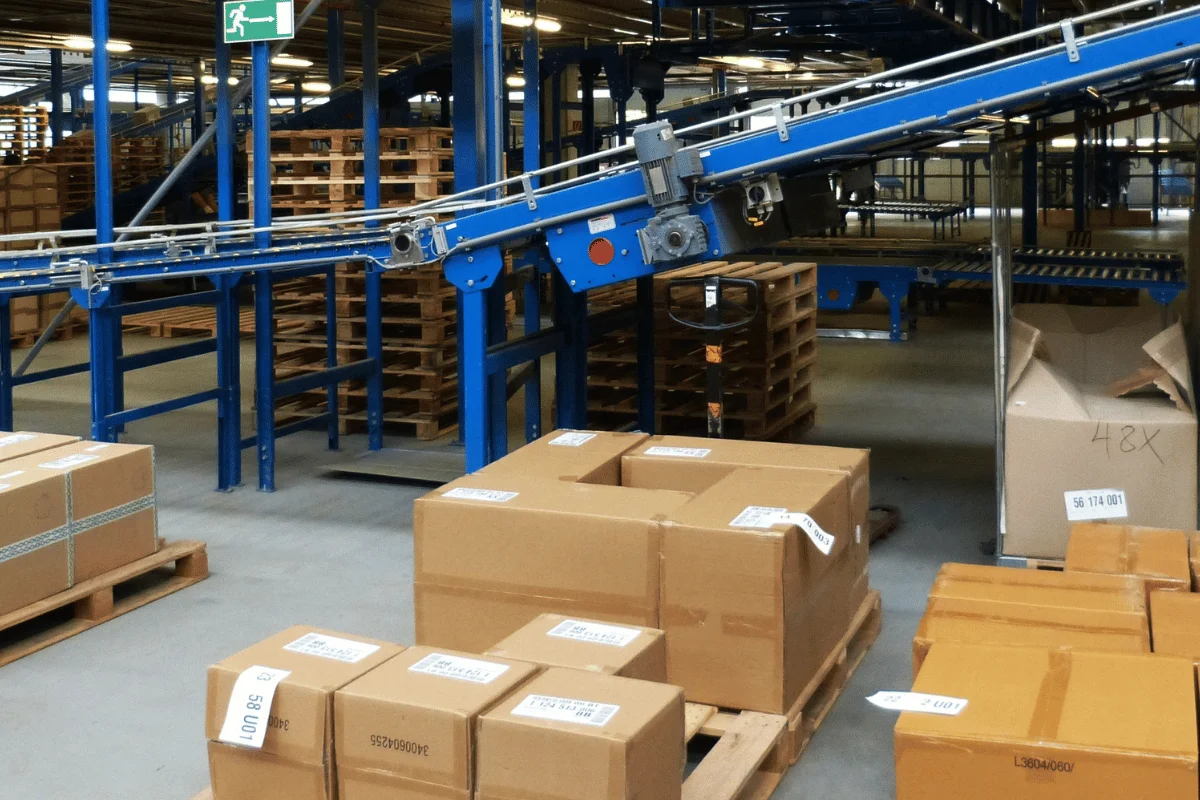
Freight-in is the cost of bringing raw materials, components, or finished goods to a business for manufacturing or resale.
The destination or recipient can be your business premises, production plant, storefront, warehouse, fulfillment center, or distribution points.
Freight-in costs are also called inbound freight costs. They can include shipping costs, customs charges, freight forwarding costs, handling fees, and other expenses related to bringing goods into your business from suppliers or manufacturers.
When dealing with freight-in, you are the buyer, and the costs are typically your responsibility.
Is Freight In Included in Cost of Goods Sold?
In freight-in accounting, which is a major part of freight accounting, freight-in is included in the cost of goods sold (COGS) once you sell the goods attributed to these costs.
Initially, the expense is included in the cost of goods on hand or the inventory, increasing its value. The idea is to reflect the actual cost of the inventory, including the cost to bring it in, just as though your supplier or manufacturer charged a higher price for the goods.
Example of Freight In
Here’s a quick freight-in example:
Let’s say you buy 100 units of high-quality timber at $300 per unit, and your supplier adds a $200 shipping charge.
The freight-in cost will be $200, and the cost of the inventory will be $30,000 ($300 x $100).
If you use all the timber to make furniture and sell the finished pieces, the cost of goods sold will be $30,200 ($30,000 + $200).
Why Freight In Matters in Accounting
Being able to account accurately and correctly for all your freight-in expenses is important for your business for reasons such as:
- Ensuring Proper Inventory Valuation: Freight-in helps you understand the overall cost of goods on hand and cost of goods sold. The costs of shipping goods into your business increase the overall cost of goods. This information is important for calculating your gross profit and bottom line, which are critical numbers for every business.
- Identifying Areas for Cost Savings: If you realize your freight-in costs are eating too much into your profits, you can look for ways to streamline the supply chain. For example, you can negotiate better rates with your supplier or freight forwarder.
- Accurate Financial Reporting: With proper freight-in accounting, your financial statements correctly reflect the business’s actual financial position and performance. For example, with freight-in, you can accurately update your balance sheets because inventory is a significant asset that captures freight-in charges. Stakeholders such as investors, lenders, and regulatory bodies appreciate accurate financial reporting.
- Better Decision-Making: You can make better decisions regarding pricing, supplier relationships, freight forwarding services, inventory management, and cost control.
- Compliance: Adding freight-in costs keeps your financial accounting and reporting accurate and ensures you comply with accounting standards and regulations. This eliminates potential legal issues and penalties.
Factors That Influence Freight In Expenses
The money you pay to transport goods or raw materials into your business can change between shipments.
You can expect your freight-in expenses to increase or fall depending on:
- Shipment Dynamics: Size, weight, and shape are critical. Larger, bulkier, and heavier shipments use more space and fuel and potentially require multiple transport modes. Special handling when shipping dangerous goods or perishables can also increase the costs.
- Distance: Longer distances lead to higher costs because more fuel and labor are needed, and the shipment may require using different modes.
- Supplier Relationships and Agreements: In some cases, you can negotiate with the seller to have them cover shipping expenses. When you have to foot the bill yourself, negotiating better rates with the supplier can help.
- Fuel Costs: Changes in fuel prices directly affect carrier operational costs. The extras are passed on to shippers or importers as the carrier wants to maintain profitability, raising your costs.
- Demand and Supply: High demand amidst low carrier capacity can drive up freight costs. Excess capacity amidst low demand can lead to lower rates.

How to Record Freight In Costs
You can record freight-in costs in various ways, depending on the location of the entry and the impact the cost has on different accounts or statements.
Let’s break down the most common ways to account for freight-in expenses:
1. Journal Entry Before the Goods Are Sold
Freight-in is recorded in the inventory account before you sell the goods. You debit the inventory (increase its value by the freight-in amount) and credit the Cash account (reduce it by the freight-in amount if you pay immediately).
If you will be paying later, you increase the Accounts Payable by the freight-in amount.
Using the $200 freight-in cost from above, the journal entry will be:
- Debit: Inventory, $200
- Credit: Cash (or Accounts Payable), $200
2. Journal Entry After the Goods Are Sold
Once you sell the goods, you’ll record freight-in (previously part of the inventory account) in the COGS as:
- Debit: COGS (increasing its value)
- Credit: Inventory (decreasing the inventory account)
Using the same example, the journal entry would be:
- Debit: COGS, $200
- Credit: Inventory, $200
3. Recording Freight-In in the Income Statement
The income statement summarizes your business’s expenses, revenues, and net income over a specific period.
In the income statement, freight-in is noted under sales as part of COGS when the goods associated with the said costs are sold.
4. Recording Freight-In in the Balance Sheet
A balance sheet indicates a business’s assets, liabilities, and the owners’/shareholders’ equity at a specific point in time.
In the balance sheet, freight-in is noted as part of the inventory (a current asset) to reflect the value of the cost of goods and the associated costs of getting them to your business.

Common Mistakes When Handling Freight In
You’ll want to avoid these common mistakes when dealing with freight-in costs:
- Poor Documentation: Incomplete or inaccurate paperwork can lead to fines, penalties, and increased costs due to customs issues.
- Overlooking Some Costs: You might focus only on the base freight rate and forget surcharges, handling fees, insurance, and customs charges, such as customs clearance fees. These charges can lead to an unexpected increase in your costs.
- Not Delegating Freight-in Accounting: Accounting for freight-in costs alone can be overwhelming. You can outsource the work to enable you to focus more on growing your business.
- Not Understanding Incoterms: When you use the wrong Incoterm or fail to understand who is responsible for freight-in expenses, you may experience monetary losses.
- Using Outdated Carrier Rates and Not Benchmarking: Not keeping up with current carrier-specific and industry freight-in shipping rates can result in unexpected costs due to frequent fluctuations.

Freight In Management Best Practices
Overcoming these and many other freight-in challenges is critical to the success of your business.
Let’s check out some best practices to consider when handling freight-in:
- Ship on Off-Peak Days: You can ship goods when demand for shipping is low to reduce costs, since rates typically fall during low seasons or off-hours.
- Combine Shipments: When possible, use larger shipments to benefit from economies of scale and bulk shipping discounts, which can reduce freight costs.
- Optimize Inventory Management: Improve your internal inventory management approach to simplify logistics operations and lower costs. For example, you can use the just-in-time strategy to balance between demand and supply, which can significantly reduce holding or storage expenses.
- Embrace Full-Fledged Freight-in Accounting: Use all the applicable rules of freight-in accounting to streamline the process. You can track real-time freight expense data, integrate your systems to analyze data trends to automate problem detection and correction, and relinquish control to the right partners.
In addition to these strategies, you can work with a digital freight forwarder. We can help you minimize freight-in costs through quote comparison, route optimization, and selecting better carriers.
As the best digital freight forwarding company for SMBs and e-commerce businesses, Ship4wd can also help you with accurate documentation, obtaining carrier quotes in real-time, and understanding different Incoterms.
Let us help you monitor and minimize your freight-in expenses — create a free Ship4wd account today.

Frequently Asked Questions (FAQs)
We often get these questions from shippers or importers regarding freight-in costs:
When Should Freight In Be Capitalized?
Freight-in costs are capitalized as part of the cost of goods on hand or inventory before you sell the goods.
Who Pays for Freight In Under FOB Shipping Terms?
The FOB Incoterm specifies the responsibility for goods and the related shipping expenses in two ways:
In FOB Origin/Shipping Point, the buyer covers all the costs and risks from the seller’s shipping point to the final destination of their choice.
In FOB Destination, the seller covers all the costs and risks until the goods reach the destination specified by the buyer. This option is less common.
Can Freight In Be Tax-Deductible?
Freight-in can be tax-deductible as it is typically treated as a business expense incurred as part of the business’s daily operations.
Conclusion
Freight-in costs add to your overall business expenses, which can directly reduce your profits. Accounting for these costs accurately can help minimize their impact on your bottom line, saving you money.
The trouble is that optimizing your freight-in shipping processes and expenses on your own can be difficult. You’ll want to work with a professional freight forwarding company to help you out.
At Ship4wd, we can help you optimize the process and expenses through proper carrier selection, choosing the right Incoterms, and optimizing routes.
We can also help you optimize modes of transport to reduce transit times, distances, and costs.
Register a free Ship4wd account today to optimize your freight-in costs.