

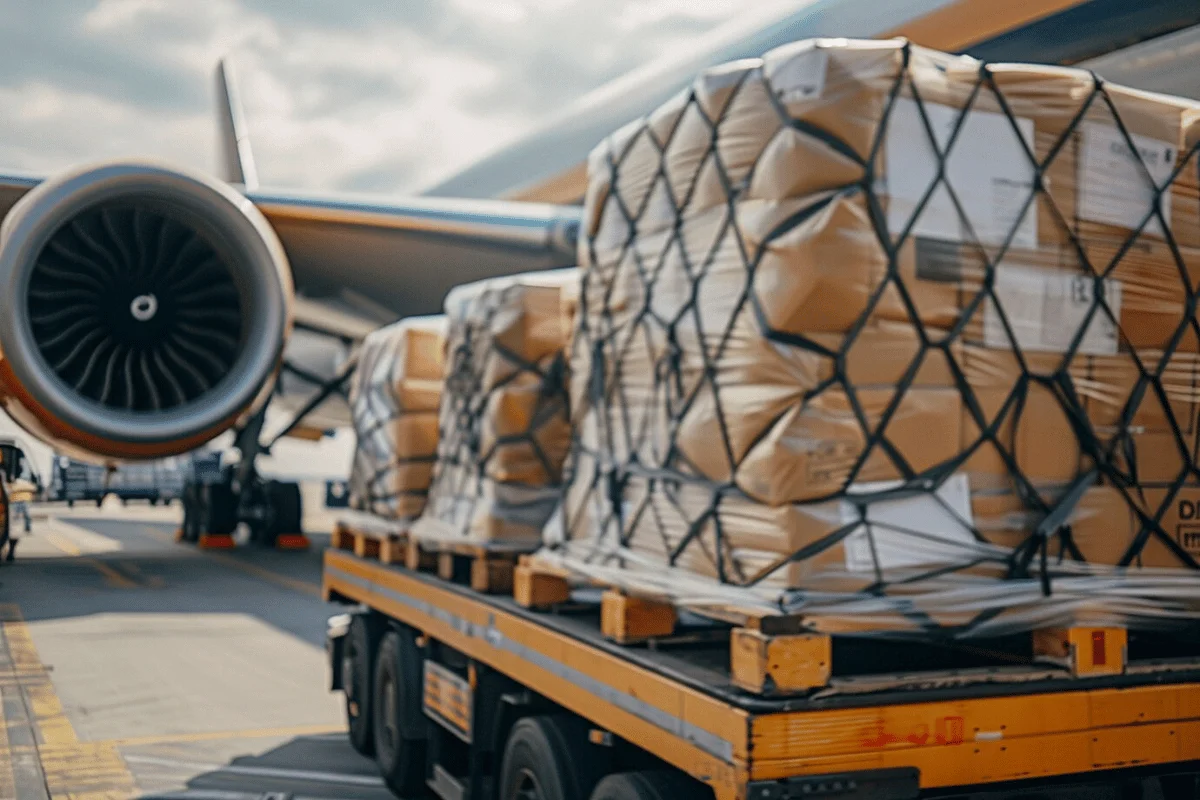

Explore the different types of freight forwarders and discover which one best suits your shipping needs.
Whether you run an accomplished business or are just starting out, working with a freight forwarder can help you grow faster by streamlining your shipping processes.
But what is a freight forwarder in the first place, and how can you choose the right type?
In this guide, we discuss what a freight forwarder is, what they do, the various types to choose from, and how they can help you run a successful business.
Types of Freight Forwarders
Here are the types of freight forwarders we’ll discuss later in the post:
- Traditional freight forwarders
- Digital freight forwarders
- Domestic freight forwarders
- International freight forwarders
- Road freight forwarders
- Rail freight forwarders
- Ocean freight forwarders
- Air freight forwarders
- Intermodal freight forwarders
As a shipper, you’ll have greater chances of success working with a digital freight forwarder. They rely on the latest technologies to automate and streamline shipping and logistics for businesses.
At Ship4wd, we provide turnkey digital freight forwarding services to optimize logistics and shipping processes, reduce costs, and improve your overall supply chain efficiency.
Join us today to streamline your entire shipping process through our innovative digital platform and solutions.
What is a Freight Forwarder?
A freight forwarder is an individual or company that arranges the transportation and tracking of cargo on behalf of regular shippers and e-commerce businesses.
The main goal is to ensure that all goods arrive safely and on time.
What Does a Freight Forwarder Do?
Your freight forwarder is the intermediary between you and carriers. They connect you with the best and most cost-efficient carriers.
Freight forwarders also act as the single point of contact between you, carriers, suppliers, and other stakeholders, such as customs authorities.
To optimize your logistics, reduce shipping costs, and enhance your supply chain efficiency, a freight forwarder provides an extensive range of services that may include:
- Air shipping services
- FCL and LCL ocean shipping
- Pre-shipment inspections
- Customs clearance solutions
- Customer service (for consultation and support)
- Door-to-door delivery solutions
- Cargo insurance
- Cargo tracking
In addition, your freight forwarder provides other underlying solutions, such as documentation, risk management, route planning and optimization, cargo consolidation, shipment booking and scheduling, and compliance with regulations.
Key Elements in Freight Forwarding and Shipping
When handling logistics and shipping with the help of a freight forwarder, it’s important to be well-informed of various critical elements like:
- Freight Forwarder: The freight forwarder acts as an intermediary between shippers and carriers. They connect shippers with carriers that have cargo capacity and carriers with shippers looking to transport goods. They also work with suppliers, customs authorities, and recipients on behalf of shippers.
- Shipping Methods: You can ship your goods by air, ocean, or land transport (road and rail). An intermodal shipping approach, using various combinations of air, ocean, and land transport, is often necessary.
- Incoterms or Shipping Terms: Incoterms are the rules that outline the responsibilities of the seller and buyer in international shipping. They specify details such as who covers insurance costs or freight charges. Your freight forwarder helps you manage popular Incoterms like Delivery Duty Paid and Free on Board.
- Pre-Shipment Inspections: You’ll need to inspect your cargo before shipping to ensure it is of the right quality and quantity. You can use a forwarder for this step.
- Customs and Compliance: You must adhere to both domestic and international customs, shipping, and trade laws. Freight forwarders ensure compliance with all documentation and regulations.
- Insurance: Cargo insurance covers risks like theft, damage, loss, or delays, depending on the type of policy. You can get this service through your freight forwarder or a third party.
- Cargo Tracking and Monitoring: Most modern freight forwarders use real-time tracking technologies to track and monitor the location and status of shipments, giving shippers and end customers peace of mind.
- Distribution and Delivery: After arriving at the destination port, goods are distributed to the respective recipients. Further transportation happens via trucks or rail to the shipper’s warehouses, retail locations, or directly to the final user.
- Freight Forwarding Costs: You can expect to incur costs such as freight forwarder’s fees, shipping charges, handling fees, and customs-related charges. Freight forwarders help you manage these costs, make payments, and find cost-effective options.
- Communication and Customer Service: Freight forwarders communicate regularly with you and other parties to address any issues or cargo delays. They provide updates and resolve issues promptly.

Different Types of Freight Forwarders Explained
Let’s now explore the various types of freight forwarders based on how they operate, their geographic scope, and the modes of transportation they use:
1. Traditional Freight Forwarders
A traditional freight forwarder uses manual, paperwork-reliant processes. They rely on conventional methods, such as emails, face-to-face interactions, and phone calls, for service delivery and communication.
Because of their face-to-face approach, traditional forwarders often establish strong personal relationships with shippers, suppliers, and carriers.
However, this approach is time-consuming. For example, you may have to wait for days to get a simple freight forwarding and shipping quote.
2. Digital Freight Forwarders
A digital freight forwarder uses the latest industry technologies and online platforms to automate and streamline logistics and shipping.
They save time and money through automation and price comparisons. You can expect the following improvements when working with a digital forwarder like Ship4wd:
- All-in-one digital dashboard for handling all your shipping needs.
- Different partnership levels that allow you to run everything yourself using your dashboard or have the forwarder run everything for you.
- Digital customs clearance services and documentation.
- Digital payment systems that are faster and more secure than traditional methods.
- Advanced cargo tracking with 100% visibility.
- Price comparisons using real-time quotes.
- Freight forwarding cost calculators.
And much more.
3. Domestic Freight Forwarders
A domestic freight forwarder specializes in moving goods within a country.
4. International Freight Forwarders
An international shipping f
reight forwarder moves goods across country borders and may also operate on a global scale.
5. Road Freight Forwarders
A road freight forwarder moves cargo by trucks or other land vehicles and is ideal for short distances and last-mile deliveries.
6. Rail Freight Forwarders
A rail freight forwarder moves goods via trains and is ideal for long distances and bulk cargo.
7. Ocean Freight Forwarders
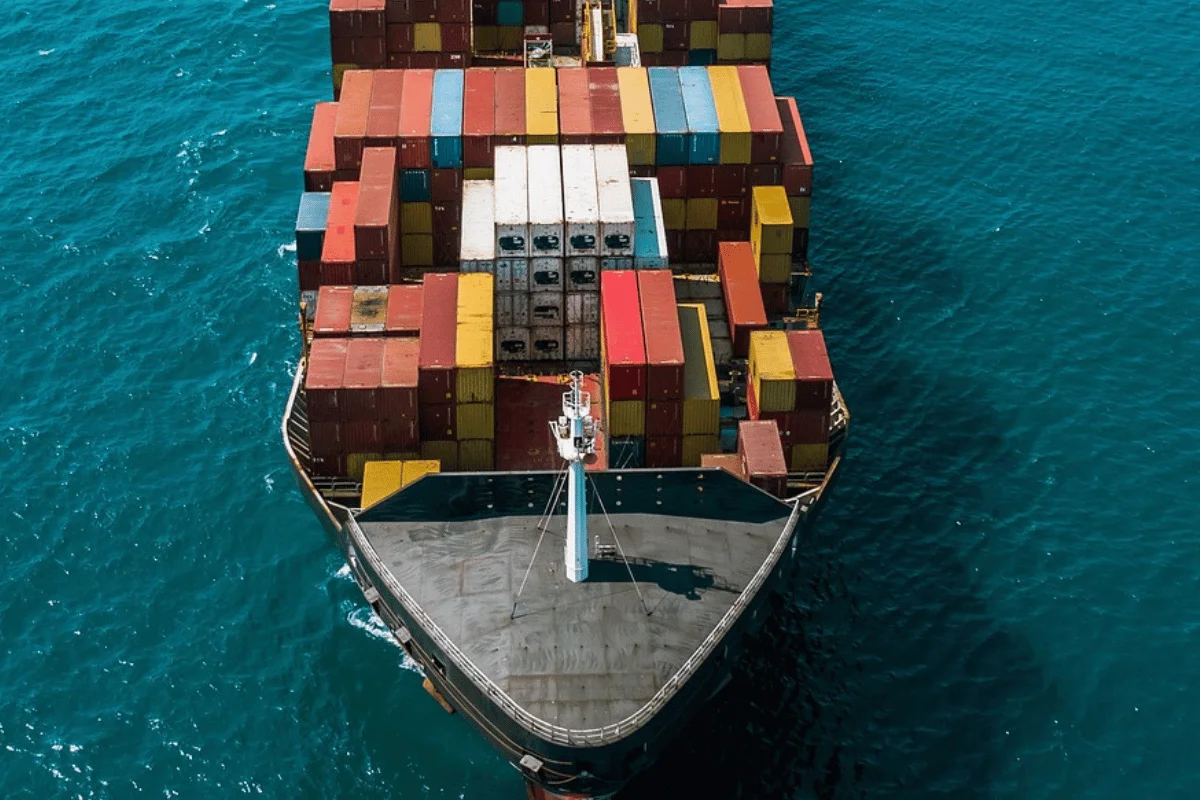
Also called sea freight forwarders, ocean freight forwarding companies help you ship large quantities of cargo over oceans in container ships and other vessels.
Ocean freight forwarding is cost-effective, but it can be time-consuming.
8. Air Freight Forwarders
Air shipping freight forwarders help you move goods using passenger airplanes or dedicated cargo planes.
Air freight forwarding is ideal for highly valuable and time-sensitive shipments.
9. Intermodal Freight Forwarders
An intermodal freight forwarder combines different modes of transportation to optimize costs, service delivery, and supply chains.
A freight forwarder may fall into different categories. Ship4wd is a digital freight forwarder that doubles as a domestic and international forwarder. We also offer air and ocean freight forwarding services, with last-mile deliveries by road.
How to Choose the Best Freight Forwarder Type for Your Needs
Knowing how to choose the right freight forwarder can make a great difference in streamlining your logistics.
You can consider these pointers:
- Extensive Network: A good freight forwarder should have strong links and relationships with carriers, suppliers, insurance services, and other crucial industry players.
- Experience and Expertise: Look for a forwarder with a reasonable number of years of experience and knowledge in shipping and logistics. Ask for recommendations and reviews from former clients. You can also verify their credentials, such as licenses, for additional proof.
- Niche and Specialization: Check if the forwarder specializes in your type of goods, industry, or preferred modes of transport.
- Range of Services: The more services the freight forwarder provides, the better for your business because you don’t have to look for different providers for different needs.
- Industry Reputation: Ensure the forwarder is known for exceptional services.
At Ship4wd, we are known for dedicating our entire company and services to SMBs, which are often ignored by traditional and large forwarders.
We are the only freight forwarder to guarantee container space allocation at locked-in rates regardless of your shipping volume.
Register a free account with us today to enjoy simplified logistics and cost-efficient services.
Frequently Asked Questions (FAQs)
Here are some questions shippers often ask about freight forwarders:
How Does a Freight Forwarder Differ from a Carrier?
A freight forwarder is an intermediary between carriers, shippers, and other players. They typically don’t own any transportation assets.
On the other hand, a carrier is a company or individual that transports goods from one place to another using trucks, ships, trains, vans, airplanes, or buses.
Carriers own transportation assets but may also subcontract transportation to other carriers.
Can a Freight Forwarder Handle Customs Clearance?
Ship4wd handles customs clearance.
We can help you with customs clearance, complying with customs regulations, and paying customs-related costs. We can also interact directly with customs authorities on your behalf.
Is a Freight Forwarder Necessary for Small Businesses?
Yes. A freight forwarder is necessary for well-rounded small businesses. Forwarders offer many benefits, such as:
- Simplified shipping and logistics.
- Supply chain efficiency.
- Saving time and money through route optimization and carrier selection.
- Reduced risk and errors.
- Freeing up your time so you can dedicate more to growing your business.
Conclusion
Whether you are a small, medium, or large business, a digital forwarder is the best type of freight forwarder you can work with to streamline and simplify your logistics and shipping systems.
As the best digital freight forwarder for small to medium-sized businesses (SMBS), e-commerce companies, and large businesses, Ship4wd provides an all-in-one digital platform for all your shipping needs.
We offer innovative logistics and shipping solutions, including pre-shipment inspections, ocean freight, cargo insurance, air shipping, intermodal and multimodal shipping, and customs clearance. We also offer financial support through pay-after-cargo-arrival credit facilities.
Let us streamline your shipping processes now—create a free Ship4wd account today.