


When it comes to international trade, the West Coast of the United States is home to some of the most important container ports in the world. These ports serve as critical gateways for importers, shaping shipping costs, transit times, and overall logistics efficiency.
For businesses and logistics managers, selecting the right container port is a strategic decision that can significantly impact the bottom line, directly affecting freight rates, delivery timelines, and operational success.
However, with the bustling ports along the West Coast handling a large share of the nation’s imports, navigating their complexities can feel overwhelming. Challenges such as congestion, customs regulations, intricate port logistics, and fluctuating costs add layers of difficulty to the process.
This guide explores the unique capacities, strategic locations, and operations of these ports, providing the insights you need to refine your shipping strategies. Additionally, we’ll show how partnering with an experienced digital freight forwarder like Ship4wd can streamline your import operations, helping you overcome logistical challenges and enhance the efficiency of your international shipping processes. Let’s get started.
The Strategic Importance of West Coast Ports
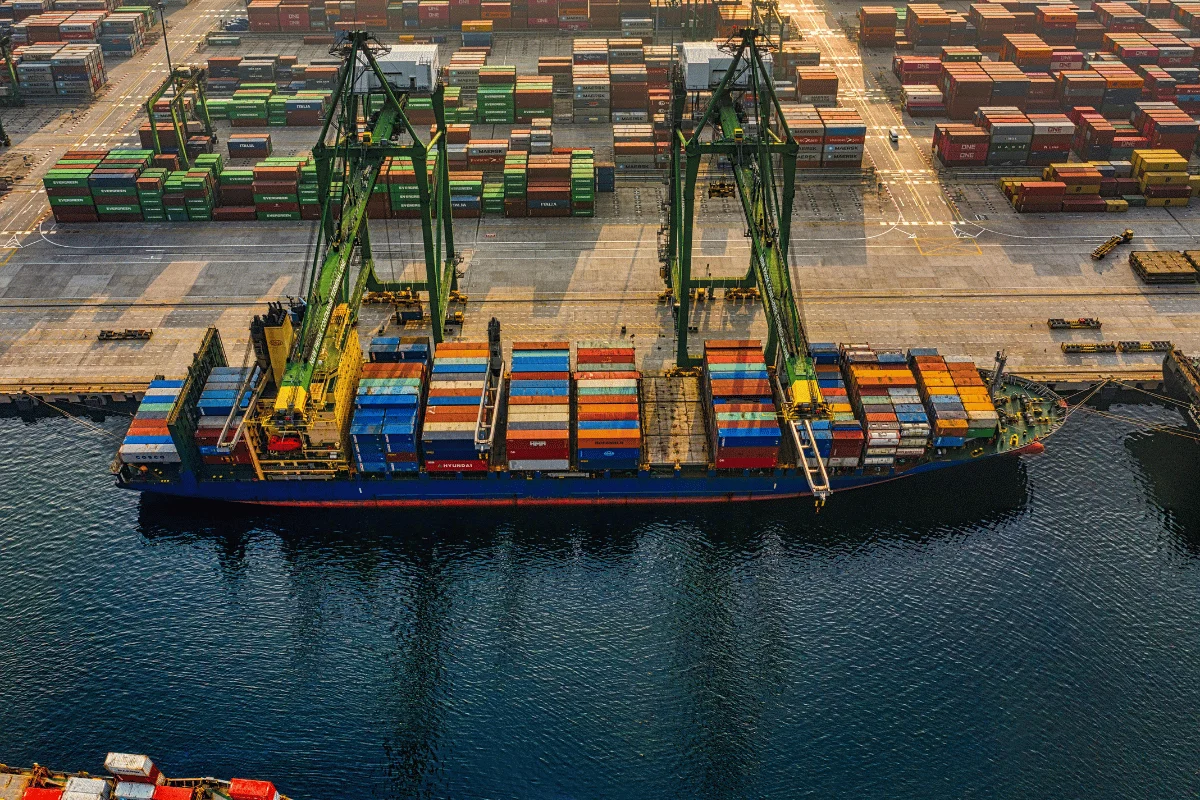
Ports on the U.S. West Coast are responsible for more than 50% of all American imports. They are pivotal for connecting businesses to global markets, particularly those in the Asia-Pacific region.
They’re especially useful geostrategically, largely because they connect the western United States to imports from South America, Asia, and Oceania. Their presence also avoids the need for cargo to travel through the Panama Canal, which in early 2024 was struck by drought.
From advanced container terminals to efficient inland connections, these ports ensure your goods reach their destination reliably and on time.
For businesses, logistics managers, and entrepreneurs looking to import confidently and efficiently, knowledge of these ports – combined with a strong logistics strategy – is key to unlocking growth opportunities in the global marketplace.
Since this guide focuses on the West Coast, we’d like to highlight that if you’re also exploring options for importing goods to the East Coast, you can check out our comprehensive guide to East Coast container ports.
Let us now take a closer look at the top container ports that can be found along the United States’ West Coast.
Port of Los Angeles, California
Location: Los Angeles, California
The Port of Los Angeles, often referred to as “America’s Port,” is one of the busiest container ports in the United States. Located in San Pedro Bay, about 25 miles south of downtown Los Angeles, the port spans an impressive 7,500 acres of land and water, with 43 miles of waterfront.
The port handles a vast array of commodities ranging from agricultural produce to industrial materials, supported by passenger and cargo terminals.
These include facilities for cruise ships, containers, automobiles, breakbulk cargo, dry and liquid bulk, and warehousing. Managing billions of dollars in cargo annually, the Port of Los Angeles stands out as a global leader in maritime commerce.
In 2023, the port processed 8.6 million Twenty-Foot Equivalent Units (TEUs), maintaining its leadership among U.S. ports. Its busiest year to date was 2021 when it handled a record-breaking 10.7 million TEUs.
Currently, the port is undergoing a transformative, multi-year infrastructure enhancement program worth $2.6 billion.
This initiative aims to boost cargo handling efficiency and integrate cutting-edge technologies to improve the digital flow of information throughout the supply chain, ensuring it remains a cornerstone of global trade.
- Strategic Location: Proximity to major trans-Pacific trade routes.
- Advanced Terminals: Cutting-edge technology for efficient operations.
- Economic Impact: Supports nearly 1 million jobs and drives economic growth in the region.
Port of Long Beach, California
Location: Long Beach, California
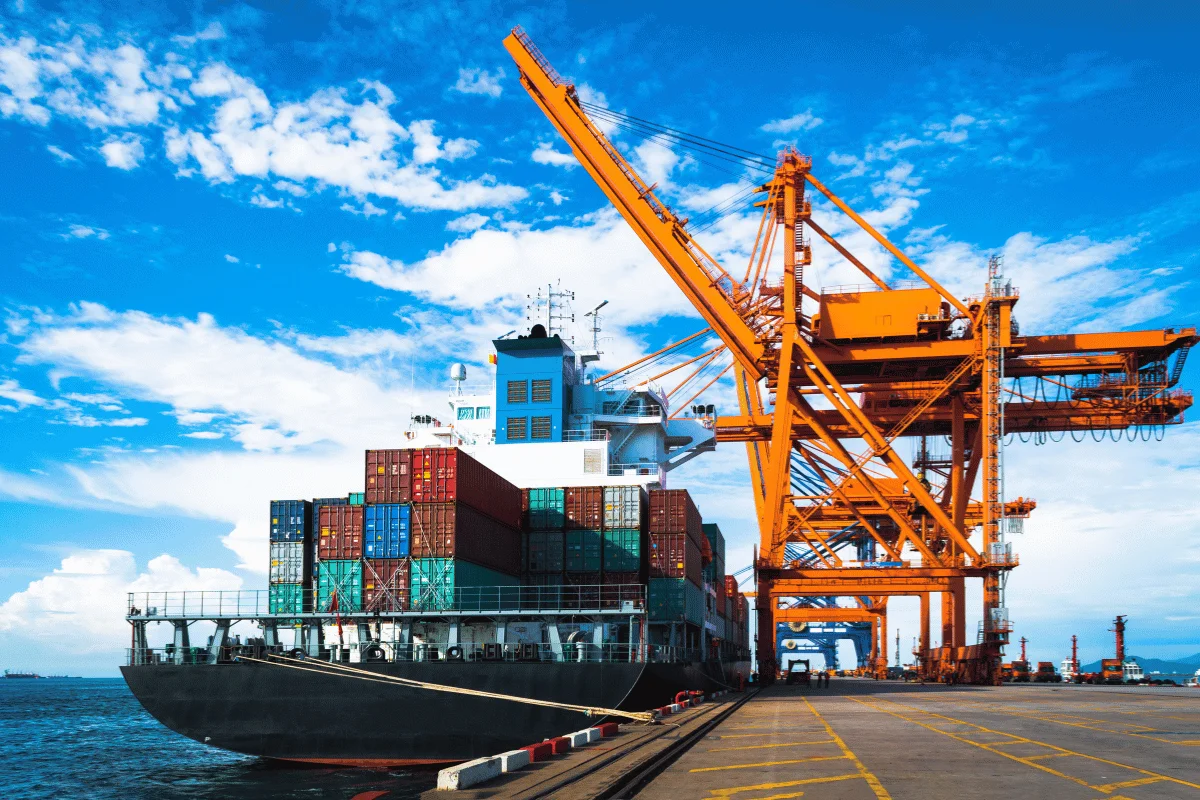
The Port of Long Beach stands as a powerhouse in global trade, recognized as the second-busiest container port in the United States and, as of December 2024, the 22nd-busiest container cargo port in the world.
Together with its neighbor, the Port of Los Angeles, it forms the San Pedro Bay Port Complex, which ranks as the ninth-busiest port complex globally by container volume. This distinction places it just behind major international hubs like Shanghai, Shenzhen, and Hong Kong in China, Busan in South Korea, and Singapore.
Handling over 9 million Twenty-Foot Equivalent Units (TEUs) annually, the Port processes cargo valued at $200 billion and totaling 90 million metric tons. It is equipped to accommodate around 2,000 vessel calls each year, ensuring seamless operations for diverse shipping needs.
As a critical gateway for trans-Pacific trade, the Port of Long Beach serves as a vital conduit for goods traveling between Asia and the United States, underscoring its strategic importance in global supply chains.
Known for its focus on innovation, sustainability, and operational excellence, the port continues to drive economic growth while setting industry benchmarks for efficiency and environmental stewardship.
- Economic Impact: Port-related trade supports 2.6 million jobs across the U.S.
- Trade Relationships: More than 90% of shipments through the port involve East Asian trade.
- Regional Wages and Trade Value: The port helps facilitate roughly $126.8 billion in trade-related wages annually.
Port of Oakland, California
Location: Oakland, California
The Port of Oakland, established in 1927, serves as a critical gateway for trade and commerce in Northern California. Operated as an independent department of the City of Oakland, the port is governed by seven commissioners appointed by the City Council. Located on the San Francisco Bay, it plays a vital role in supporting regional and global trade, with a mix of aviation, maritime, commercial real estate, and port utility services driving its operations.
As a self-funded entity, the Port of Oakland generates revenue primarily through its business lines, occasionally supplemented by federal and state grants. In fiscal year 2023, the port reported an annual operating revenue of $408.7 million, showcasing its financial strength and importance to the region. The port also employs 470 people directly and supports nearly 98,345 jobs across Northern California, reinforcing its role as an economic engine for the area.
Sustainability is a cornerstone of the port’s mission. It is actively working towards zero-emissions operations across its seaport and airport facilities while managing miles of waterfront that support recreation, wetlands, wildlife, and commerce. This commitment to environmental stewardship ensures that the port remains a socially and fiscally responsible steward of public assets, guided by its vision of “Building for the next generation.”
Key Highlights
- Large Source of Employment: The Port supports 98,345 regional jobs.
- Environmental Stewardship: Committed to decarbonizing operations, the port leads with innovative practices for a cleaner, greener future.
- Strategic Accessibility: Oakland Airport (OAK), owned and operated by the port, provides easy access to surrounding communities.
Port of Seattle and Tacoma (The Northwest Seaport Alliance), Washington
Location: Seattle and Tacoma, Washington
The Northwest Seaport Alliance (NWSA) is a partnership between the ports of Seattle and Tacoma, which unites their marine cargo facilities and operations under one management system.
This alliance, the first of its kind in North America, enhances the Puget Sound gateway’s competitiveness, attracting marine cargo and fostering job creation across the region. Located in Washington State’s Pacific Northwest, the alliance benefits from shorter transit times to Asia and serves as a critical connection to Alaska.
Governed by a port development authority, the NWSA operates under equal representation from the Ports of Seattle and Tacoma. Both ports are managed by five elected commissioners who establish policies to drive economic growth. The alliance’s CEO oversees its programs, ensuring smooth operations within the boundaries of King and Pierce counties. This innovative governance model strengthens the region’s position as a leader in international and domestic trade.
With a focus on sustainability and efficiency, the NWSA handles a diverse range of cargo, including bulk, breakbulk, heavy-lift project shipments, automobiles, and trucks. It connects to the second-largest concentration of distribution centers on the West Coast, making it a vital hub for goods movement.
- Global Trade Leader: The NWSA is one of the leading container gateways in the United States, handling $70 billion in waterborne trade with 180 global trading partners in 2022.
- Domestic Trade Connections: Over 80% of trade volume between Alaska and the lower 48 states moves through NWSA. Additionally, it provides an important link between Hawaii and the mainland.
- Economic Driver: The alliance supports over 58,000 jobs and contributed $12.4 billion in economic activity within Washington State.
Ship4wd: Seamless Shipping Solutions for West Coast Importers
Navigating West Coast ports of entry can be complex, but it’s a critical step when importing into the United States. Smooth logistics operations are essential for success, and that’s where Ship4wd comes in.
Ship4wd offers digital freight forwarding solutions tailored for business owners and logistics managers, simplifying the shipping process while boosting efficiency.
With our all-in-one freight shipping platform, you can easily get quotes and book air or ocean freight services, including Full Container Load (FCL) and Less than Container Load (LCL) options. Our coverage of major West Coast ports ensures you always have access to the best options for your needs.
We offer advanced tracking and cargo insurance to protect your shipments, as well as pre-shipment inspections to verify quality and compliance before goods leave your supplier’s facility. Our secure payment solutions and financing options (for eligible businesses) further support your success.
In addition, we manage and simplify customs clearance by submitting the necessary paperwork and overseeing compliance processes on your behalf. After customs approval, we ensure that your goods are delivered to your final destination safely and on time.
Our dedicated 24/7 support team is always available to help track your shipments, answer questions, and guide you through our user-friendly platform.
Get started with Ship4wd today and see how we can help streamline your import and shipping operations.