
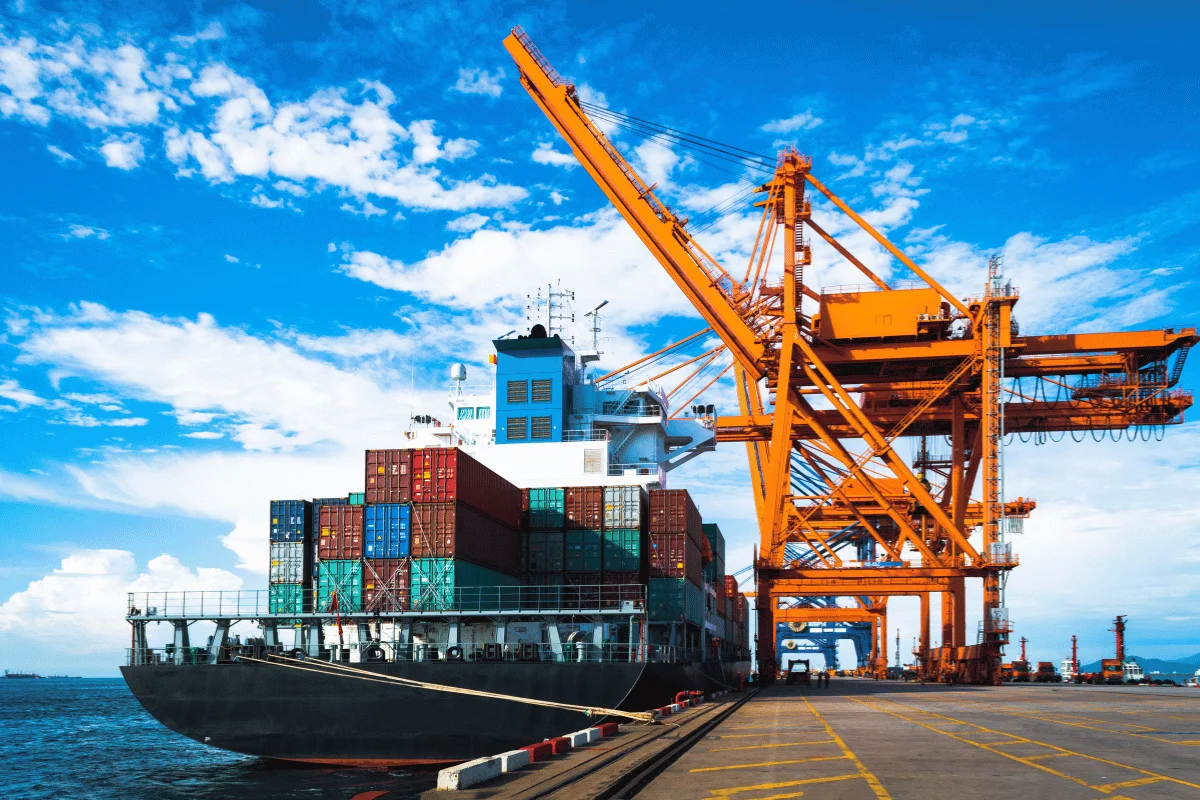
Transshipment (also known as trans-shipment) in international shipping refers to the process of transferring cargo from one vessel to another at an intermediate port before reaching its final destination. This is often done at transshipment hubs, which serve as strategic interchange points in global supply chains.
While transshipment is commonly used when no direct shipping route exists, it is also employed to optimize logistics, consolidate shipments, or adjust cargo routes for efficiency.
Depending on the shipping network, transshipment may involve other transport modes, such as rail or trucking, in intermodal logistics. Many transshipment ports operate within free trade zones, allowing cargo to move internationally without incurring additional customs duties at the transfer point.
How Does Transshipment Work in International Shipping?
Transshipment is the process of transferring cargo from one vessel (or mode of transport) to another at an intermediate hub before reaching its final destination. It allows for more efficient routing when a direct shipping route is unavailable or when cost optimization is needed.
The process begins at the origin port, where cargo is loaded onto a vessel. It then travels to a transshipment hub, which serves as an interchange point for multiple long-distance shipping routes. At this hub, the cargo may be:
- Transferred to another vessel.
- Shifted to a different mode of transport, such as rail or trucking (for intermodal transport).
- Stored temporarily in a customs-bonded area before continuing its journey.
Depending on the logistics plan, LCL shipments may be moved from one consolidated container to another at a Container Freight Station (CFS) before continuing transit, while FCL shipments typically remain intact. Some cargo may also pass through multiple transshipment hubs before reaching its final destination. Once reloaded onto a new vessel or transport mode, it continues its journey.
Here is a simplified step-by-step explanation of what this process might look like:
- Origin Port: Cargo is loaded onto the first vessel.
- Transshipment Hub: Cargo arrives at an intermediate port for transfer.
- Offloading: Cargo is removed from the first vessel.
- Storage (Optional): Cargo may be stored in a customs area, consolidated, or deconsolidated.
- Customs & Documentation (if required): Regulatory approvals may be necessary before reloading.
- Reloading: Cargo is transferred to another vessel or mode of transport.
- Destination Port: Cargo arrives at its final destination and undergoes the final offloading process.
- Import Customs Clearance: Cargo is inspected and cleared by customs before entering the local market.
- Final Delivery: After customs clearance, the cargo is transported to the consignee’s warehouse or final delivery location.
Frequently Asked Questions
Below are answers to the most common questions concerning the role of transshipment and transshipment hubs in international shipping, imports, and global trade operations.
What Are the Advantages of Transshipment?
Transshipment is crucial in global trade, linking different shipping routes and facilitating the efficient movement of goods across international markets. Let’s take a look at some of its key advantages:
- Improved Route Accessibility: Enables cargo to access locations that lack direct shipping routes, expanding global trade possibilities.
- Potential Cost Savings: May lower costs by using larger vessels for the main leg of transport and facilitating cargo consolidation, though additional handling fees may apply.
- Increased Frequency: Transshipment hubs can increase shipment frequency on certain routes where direct services are limited.
- Greater Flexibility: Allows for route modifications in response to changing demand, port congestion, or unforeseen disruptions, ensuring more resilient logistics.
What Are the Potential Risks and Disadvantages of Transshipment?
While there are many advantages associated with transshipping, it’s also important to cover its risks and possible challenges that every business should consider. These are the risks you might need to take into account:
- Increased Transit Time: The extra transfer steps can extend the overall shipping duration, possibly affecting delivery schedules and leading to financial losses.
- Potential for Damage: Additional handling during cargo transfers increases the potential for damage or loss.
- Greater Complexity: Coordinating transshipment operations involves multiple parties and logistics steps, increasing the potential for errors and requiring precise management.

Transshipment vs. Direct Shipment: What’s the Difference?
The main difference between transshipment and direct shipping is the method by which the cargo is being transported. In direct shipping, one vessel carries cargo directly from point A to point B. There are no intermediate stops in direct shipping. In contrast, transshipment involves transferring cargo between two or more vessels during the journey. This necessitates the use of a transshipment hub, or rather stops along the cargo’s journey.
The decision to choose between direct shipping and transshipment depends on several factors, some of which may not be in your power. You may have to take into consideration specific trade routes, cargo types, delivery urgency, and cost considerations. Successful transshipment operations require careful planning to minimize potential delays or issues.
What Is a Transshipment Hub?
A transshipment hub is a strategically located port that serves as an intermediary point for the transfer of cargo between vessels. These hubs act as central key points in the global shipping network, connecting various shipping routes and facilitating the movement of goods across continents.
These are some of the busiest transshipment hubs in the world:
- Port of Singapore
- Port of Shanghai
- Port of Shenzhen
- Port of Busan
- Port of Hong Kong
How Does Transshipment Affect Global Trade?
Transshipment has an invaluable impact on global trade as it allows market reach to expand and connects between regions that lack direct shipping connections. It improves efficiency by consolidating cargo from various origins, leading to economies of scale and reduced costs. It also increases shipment frequency, providing more regular services to destinations with limited direct shipping options.
It should also be noted that transshipment hubs boost economic growth by creating jobs and stimulating economic activity in key regions. As such, transshipping is an essential component of global logistics.
How Does Transshipment Work for Full Container Load (FCL) Cargo?
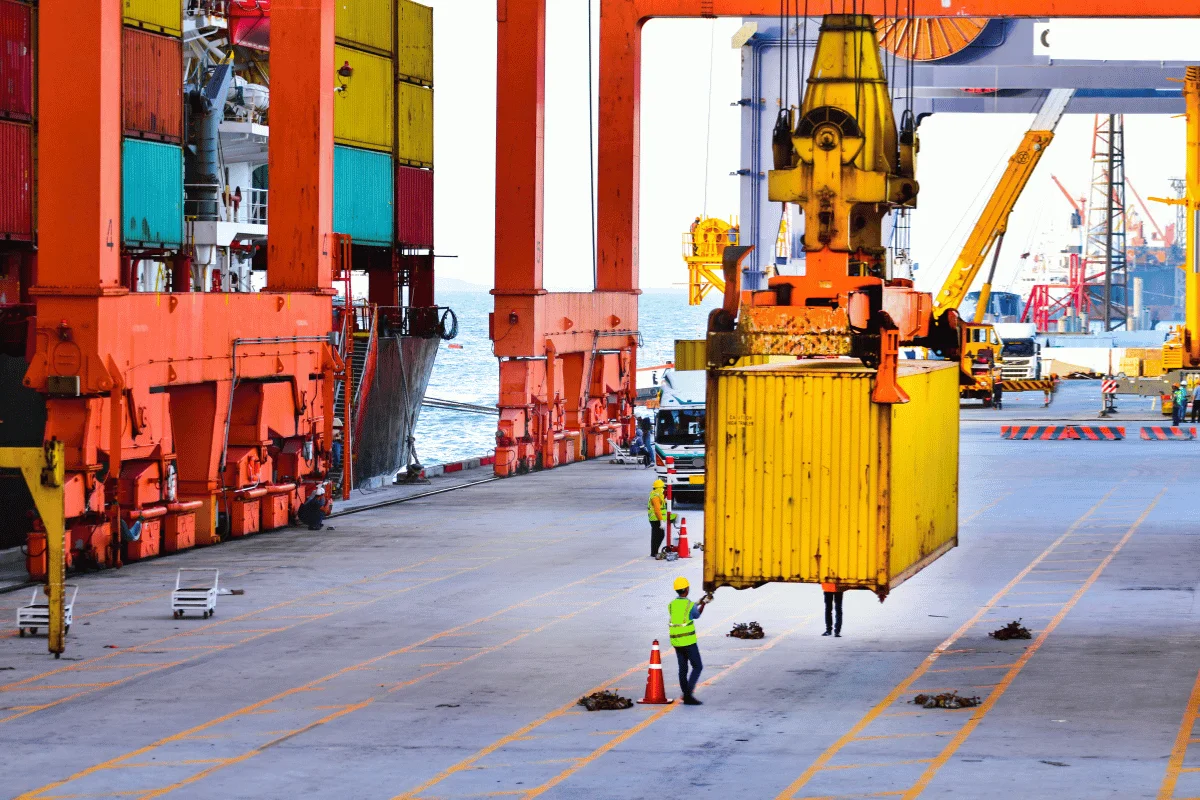
For Full Container Load (FCL) cargo, the entire container is assigned to a single shipper’s goods. In this case, the transshipment involves transferring the whole container from the first vessel to the second at the hub. This process minimizes handling, reducing the risk of damage.
How Does Transshipment Work for Less Than Container Load (LCL) Cargo?
When shipping Less than Container Load (LCL) cargo, multiple shippers share space within a single container. During transshipment, the cargo is deconsolidated at the transshipment hub, sorted, and then consolidated into new containers.
What Role Do Freight Forwarders Play in Transshipment?
Freight forwarders play a crucial role in transshipment by coordinating the movement of cargo through intermediate ports, ensuring smooth transitions between vessels, and minimizing delays. Since transshipment involves multiple handling points, proper planning and execution are essential. Their key responsibilities include:
- Route Planning and Selection: Choosing efficient shipping routes that require transshipment while minimizing delays and extra costs.
- Carrier Selection: Securing space with multiple shipping lines to ensure cargo moves seamlessly through transshipment hubs.
- Documentation: Managing the complex paperwork required for the shipping process, including transshipment hubs.
- Cargo Handling Coordination: Ensuring proper offloading, storage (if necessary), and reloading onto the next vessel at the transshipment hub.
- Risk Management: Mitigating risks related to cargo misrouting, delays at transshipment hubs, or potential damage during transfer.
- Tracking and Communication: Monitoring the cargo’s movement across multiple vessels and keeping shippers informed of any delays or disruptions at transshipment points.
What Does ‘Uplifted from Transshipment Hub’ Mean for My Cargo?
“Uplifted from transshipment hub” indicates that your cargo has been successfully unloaded from the first vessel at the transshipment hub and transferred to the next transport method. This marks the transition to the next phase of the journey. The term signifies that the cargo has completed one leg of the journey.
How Can I Track My Transshipped Cargo?
Tracking transshipped cargo is typically done through your freight forwarder’s tracking systems, which offer updates as the shipment moves through different stages of its journey. These systems monitor cargo progress from origin to destination, including key milestones at transshipment hubs. Some shipping lines also provide tracking services for transshipment cargo. Your freight forwarder will provide specific tracking details and may offer access to their monitoring platform for updates.
How Does Transshipment Impact Delivery Times?
Although it connects between different ports, transshipment may impact delivery times. It introduces additional handling steps. Naturally, more steps mean more time. Several factors can influence the length of delays, including waiting times at the transshipment hub, weather conditions, and the efficiency of operations at the hub itself. Take into account:
- Waiting Times: Delays due to vessel connections or congestion.
- Weather Conditions: Unexpected weather disrupting schedules.
- Operational Efficiency: Impact of cargo handling efficiency at the hub.