

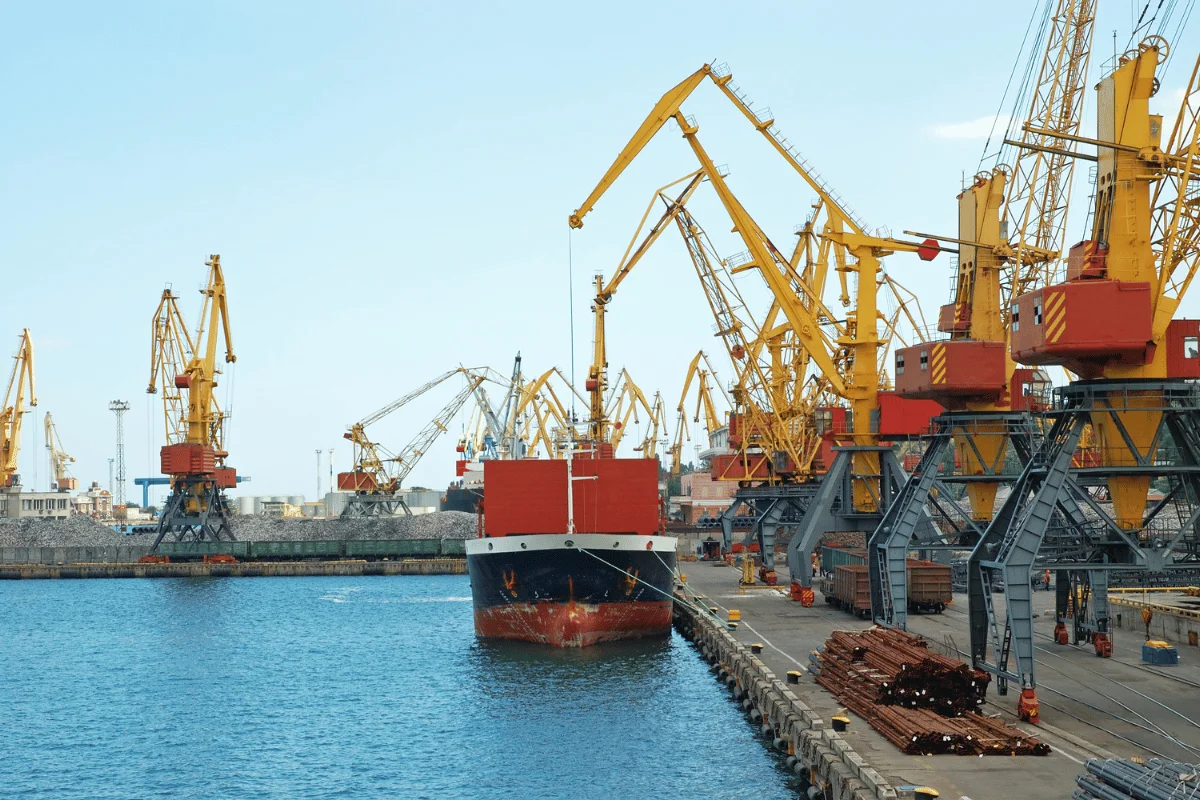

Avoid costly delays by understanding what truly impacts port-to-port shipping schedules and how you can estimate the transit time.
If recent events like the COVID-19 global pandemic have proven anything, it’s that a business can live and die by the efficiency of its shipping operations.
SMBs and eCommerce businesses need all the help they can get because they typically lack the economies of scale enjoyed by large companies.
Once your shipment’s journey starts, you’ll need a reliable way to estimate port-to-port shipping transit time. That’s where real-time tracking and updates come in, helping you follow your cargo throughout the journey.
In today’s post, we’ll talk about estimating ocean freight transit times and provide expert insights on how to optimize your shipping strategy to reduce costly delays.
TL;DR – How to Estimate Port-to-Port Shipping Transit Time
Here’s a quick overview of how to estimate port to port shipping transit time with Ship4wd, the best digital one-stop solution for SMB global shipping:
- Using a digital shipping platform and tools
- Real-time shipment dashboard
- Email notifications
- Access to global shipping network
- 24/7 human-led customer support
We will discuss these freight shipping time estimation methods in greater detail below.
The gist of the matter is that as a digital freight forwarding company, we provide top-notch cargo tracking and monitoring solutions. We keep you informed of estimated cargo departure dates, expected arrival dates, and transit times.
Sign up for Ship4wd today to track transit and arrival times in real-time and revolutionize your entire shipping process.
What Does Transit Time Mean?
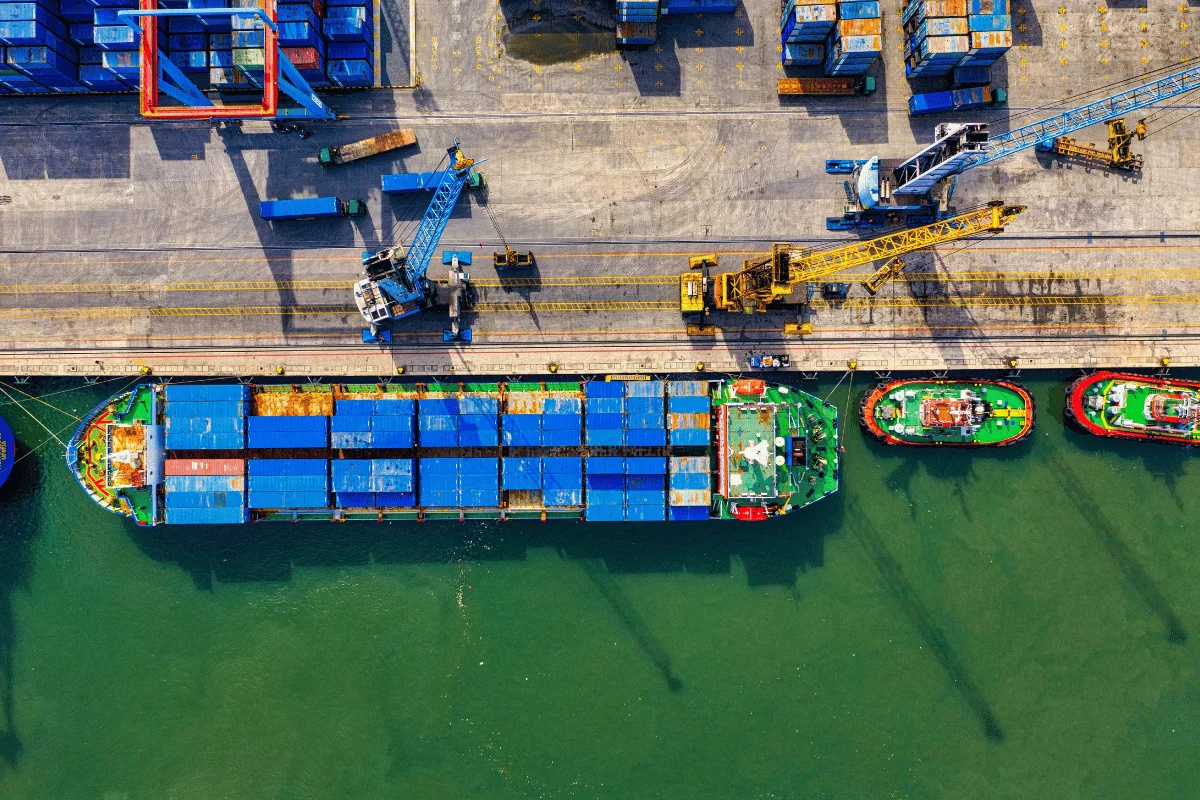
Shipping transit time is the duration it takes a shipment to reach its destination after it’s loaded onto a transportation asset and the asset sets off from the origin point.
Transit time is typically measured in days for slower transportation methods like ocean freight. For faster methods like air shipping, it’s usually measured in hours.
Port-to-port shipping transit time primarily applies to maritime transport. It’s the actual sailing time between the origin and destination ports.
The concept is part of port to port shipping services, where the freight forwarder is responsible for transporting cargo from one port to another. The forwarder tracks and updates you on the transit time between the port of origin and the destination port.
Factors That Affect Port-to-Port Shipping Transit Time
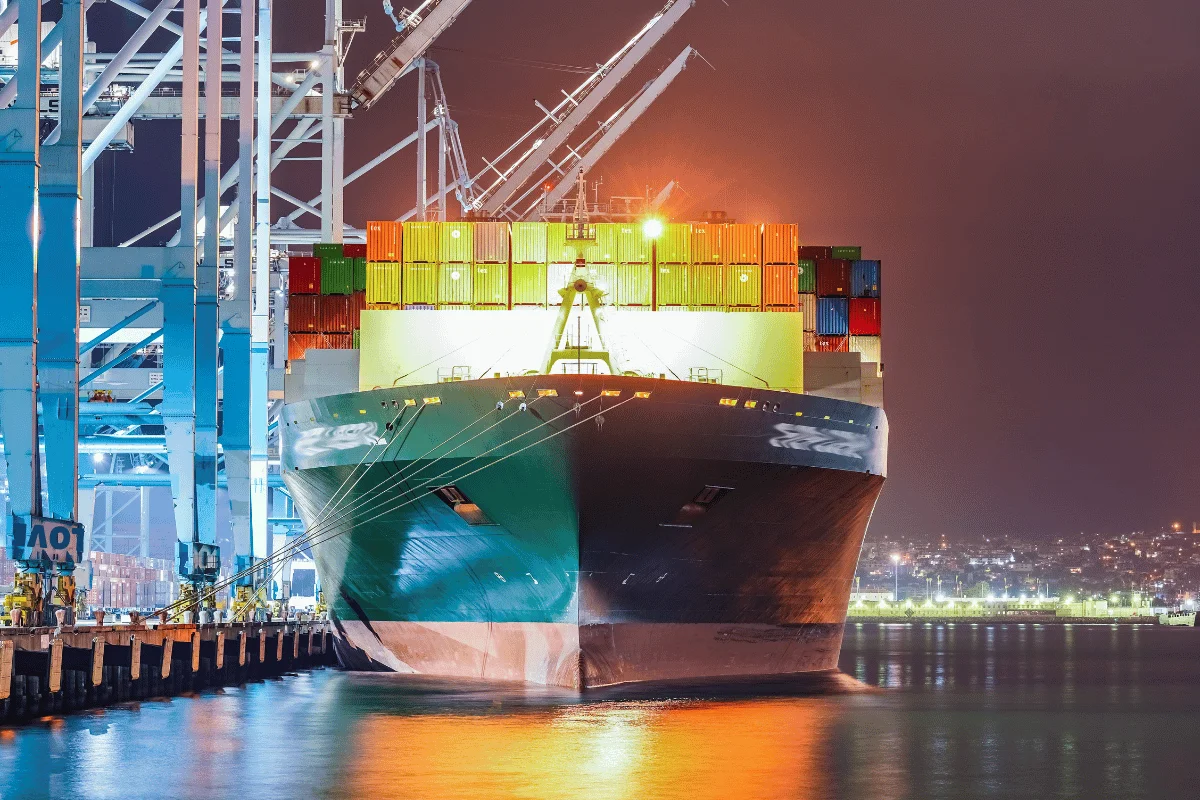
Port-to-port freight transit time depends on the following major aspects:
- Distance and Port Location: The distance between the origin and destination ports is a fundamental factor. Greater distances mean longer transit times. The geographical location and accessibility of the ports also matter. Ports that require detours often increase the transit time.
- Shipping Route: Direct routes, where cargo goes in a single vessel that sails directly between the ports, have shorter transit times. However, the time can increase if the vessel has to make multiple stops to pick up or unload cargo.
- Vessel Sailing Speed: Container ships are made for efficiency and speed, reaching higher speeds than general cargo ships. The latter are slower as they carry a wider range of cargo types that may require special handling.
- Carrier Schedules and Reliability: Some carriers have a great reputation for prompt deliveries, while others are notorious for frequent delays.
- Seasonality: Peak seasons may lead to port and route congestion, causing longer transit times.
How to Estimate Port-to-Port Shipping Transit Time
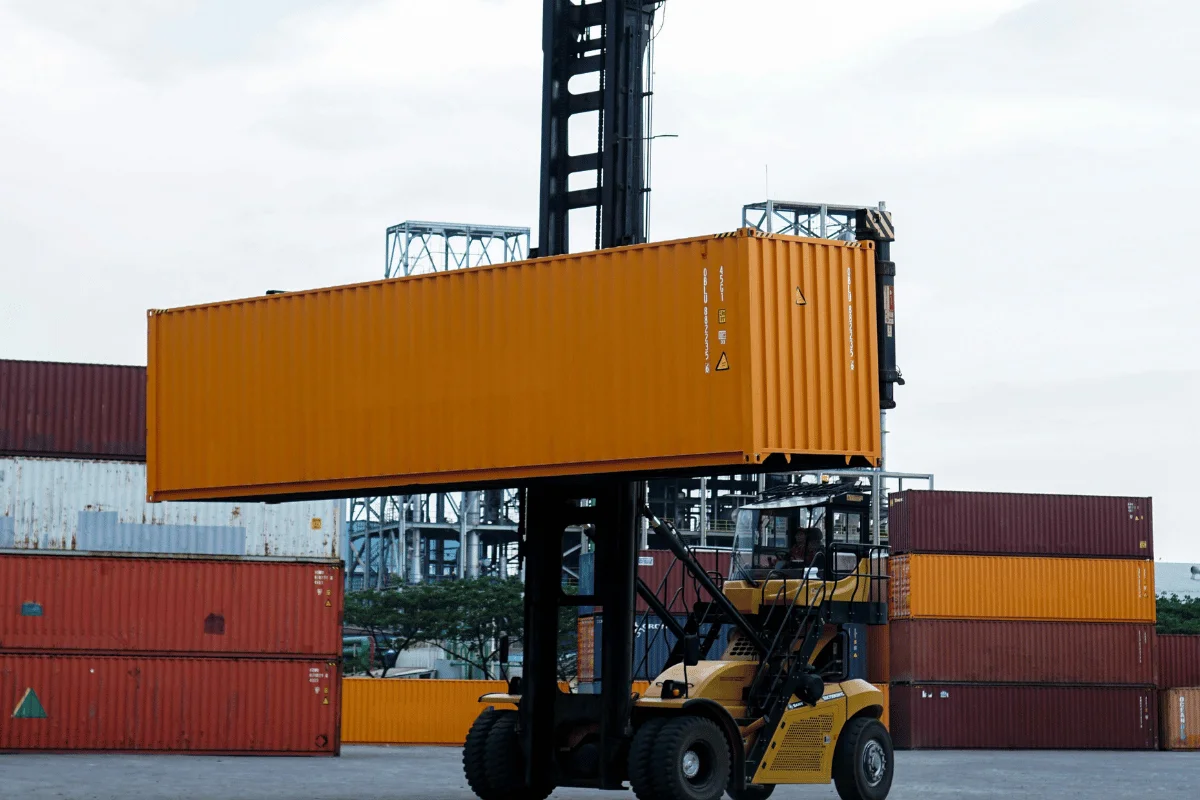
Different logistics and shipping service providers use different ways to estimate port-to-port shipping times.
As a digital freight forwarder, we help you estimate freight transit time by combining advanced technology with strategic partnerships and real-time data integration.
Here’s a closer look at our methodology:
1. Using a Digital Platform and Available Tools
We are a subsidiary of ZIM Integrated Shipping Services and collaborate closely to get our customs guaranteed allocation, and instant shipping rates. ZIM has embraced technology and encouraged innovation in order to make international shipping for SMBs more efficient. One of the tools on their size is ZIMonitor, which allows importers to track their shipment in real time.
If you are booking a full-container load with Ship4wd, you may be able to search through ZIM’s digital tools and track the transit and delivery timelines for various shipments using the container, booking, or bill of lading numbers.
Along with Ship4wd’s own alerting and tracking systems, this allows you to find the precise location, cargo status, and estimated container arrival time updates for each shipment.
2. Real-Time Shipment Dashboard
Our digital ecosystem features an intuitive and user-friendly dashboard that you can use to get real-time updates of your shipment at every stage of the transit process.
You will receive notifications when we accept the shipment and throughout the journey. We also let you know when the shipment is delayed, almost arriving, and completed so you can always track your cargo’s timing.
3. Email Notifications
In addition to the Ship4wd digital dashboard, we send you email alerts to update you on your shipment’s progress.
The email updates include shipment location, estimated arrival time, and delivery notifications.
4. Access to Global Shipping Network
We provide access to over 350 shipping ports worldwide and offer both Full Container Load (FCL) and Less-than-Container Load (LCL) freight shipping.
Our extensive network ensures clients can track the status of their shipments across international shipping routes.
5. 24/7 Human-Led Customer Support
As a freight forwarder who deeply recognizes the importance of timely information to your business, we offer round-the-clock customer support through live chat and an online form.
You can always reach out to us to address any concerns and receive updates regarding your shipment or its estimated transit and arrival time.
Our expert customer service is available during and beyond official business hours, regardless of your time zone. You can reach us overnight, during the weekend, and even over the holidays.
We also have an extensive customer help center that provides extra information on customer support and what to do after booking a shipment, including tracking updates for the transit and delivery processes.
Optimize freight transit times with Ship4wd—register for free today.

How to Compare Freight Shipping Time for Major Ports
To compare the cargo shipping times for major ports, you need to follow a structured approach. Here’s how:
- Choose Your Route and Ports of Interest: You can choose your preferred shipping route or the origin and destination ports. Your freight forwarder can advise you on the best route for your shipment.
- Use Transit Time Tools: Check the port to port shipping transit time calculators offered by most carriers and freight forwarders to estimate transit times based on the origin and destination.
- Monitor Port Congestion Updates: Check port-specific websites and online shipping news sites for port congestion, delay, and vessel wait time updates.
- Monitor Shipping Modes and Methods: Check whether the ports are usually used for FCL or LCL shipments. FCL shipping is generally faster than LCL freight. The transit time also depends on whether the shipment is direct or transshipped. Direct shipments usually travel faster.
- Account for Other Factors and Variables: Consider how aspects, such as weather and vessel speed, can affect the transit time.
Common Mistakes When Calculating Port-to-Port Shipping Transit Time
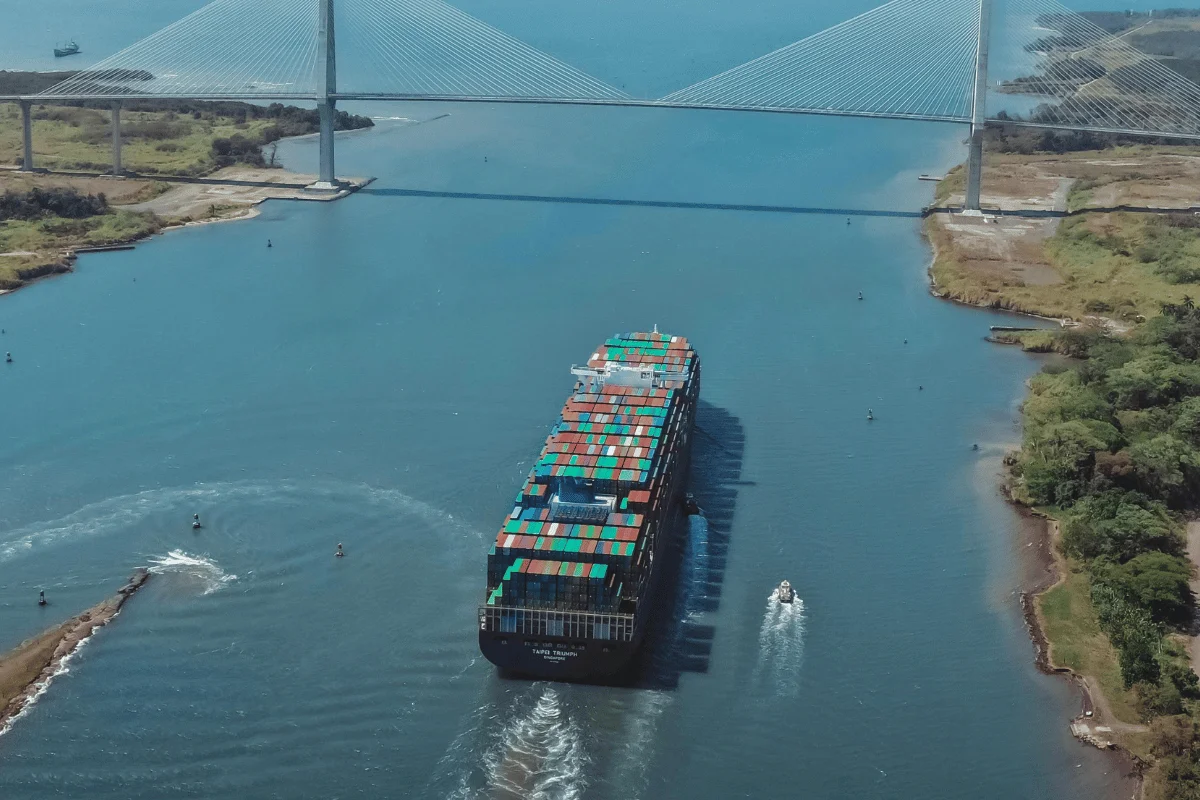
Since determining sea or ocean freight transit times is tricky, you might make mistakes that could lead to costly delays.
Here are some common mistakes to watch out for:
- Calculating Time Solely on Distance: Distance is a fundamental factor in transit times, but others, such as vessel speed and route complexity, also count. Ignoring other variables can mean underestimating the time. Consulting with a freight forwarder can help capture more possible factors.
- Overlooking Unexpected Delays: Ideally, the shipment should sail perfectly. However, not factoring in potential delays caused by adverse weather, ship worker strikes, and vessel breakdowns can disrupt planned shipping times.
- Relying on Theoretical Schedules: You may only be seeing simulated or ideal shipping schedules rather than real carrier schedules. The latter are more reliable because they account for demand, unforeseen circumstances, and vessel availability.
- Accounting for Working Days Only: Shipping schedules usually consider calendar days, not just working days. Overlooking all calendar days, including weekends and public holidays, can result in miscalculated transit times.
- Not Including a Time Buffer: If you don’t add a time cushion for unforeseen circumstances, you might be in for a huge disappointment when delays happen.
How to Optimize Your Shipping Schedule Based on Transit Time
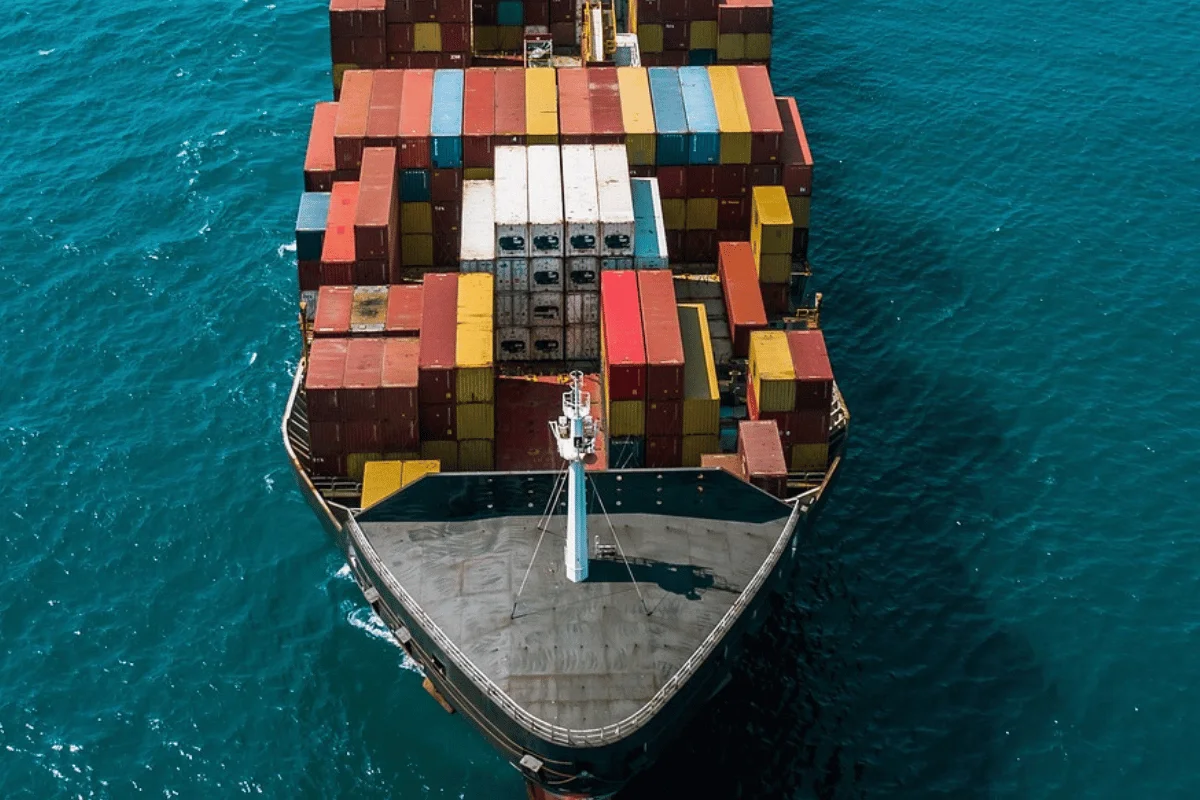
You’ll want to overcome these challenges and improve your shipping schedule through:
- Analyzing Historical Data: Looking at how long different shipments took in the past can help you identify patterns, such as which routes are slow or prone to delays. With this information, you can plan better schedules by avoiding busy times and selecting faster routes.
- Managing Inventory Better: Once you know how long your shipments take to arrive, you can plan when to reorder goods so they arrive before you run out of stock. You’ll want to order earlier if shipping takes longer. Where shipping is fast, you can restock later to reduce storage costs.
- Building Buffer Time into Schedules: Add a time cushion for unexpected delays to maintain timely deliveries without overpromising your customers. If the goods arrive before your schedule, your customers can receive their orders sooner.
- Utilizing Modern Technology: Use the forwarder’s tracking capabilities to follow the real-time location and status of your shipment, which can help predict potential delays. Forwarders also use AI and machine learning to analyze past transit times to find the most reliable routes and recommend them to you for better scheduling.
Learn how to choose a freight forwarder with a good reputation for personalized services, networking with the best carriers, selecting the best routes, and timely deliveries. Ship4wd fits the bill nicely, given our tailored solutions for SMBs and eCommerce businesses.
Join us today to streamline your shipping schedules and delivery times.

Frequently Asked Questions (FAQs)
Here are answers to questions about port-to-port shipping transit times:
What is the Best Way to Check Port-to-Port Shipping Transit Time?
The best way to check port-to-port shipping transit time is to combine online tools, historical data, and real-time tracking systems.
You can use the online port-to-port distance and shipping time calculators while banking on your freight forwarder for their expertise and historical shipping timeline data.
How Accurate Are Shipping Time Calculators?
Shipping time calculators are generally accurate at estimating transit times, but not all are always exact.
Those that use up-to-date carrier data, port efficiency information, and predictive analytics are more accurate.
Can Weather Impact Freight Shipping Time?
Definitely. Storms and rough seas can disrupt sailing schedules or cruising progress, leading to delays.
Extreme weather may cause vessels to change course or reduce speed for safety.
What to Do If Shipping Transit Times Are Longer Than Expected?
You have several options if shipping times turn out longer than expected:
- Ensure you have the accurate shipment information and contact your forwarder for updates and clarification on the delay.
- Adjust your shipping schedule by extending the expected delivery time to incorporate the delay.
- Notify your customers of the delay and the necessary adjustments.
- Try to avoid further disruption, where possible.
Conclusion
The correct port-to-port shipping transit time estimates can be a game-changer for you and your customers. You can always know how long your cargo will be on the seas, which can mean enjoying peace of mind from knowing the shipment’s real-time progress.
Since tracking transit times is tricky and tedious, you’ll need the help of a freight forwarding partner. They have the expertise and experience in calculating transit times and tracking cargo.
At Ship4wd, we estimate shipping transit times using multiple methods, including tracking cargo at any time throughout the shipping process.
We’ll not only estimate your shipment’s expected transit time but also the probable arrival time and even update you regularly as your cargo moves across the oceans.
Sign up for a free Ship4wd account to start shipping faster and with better clarity on transit and delivery timelines.