

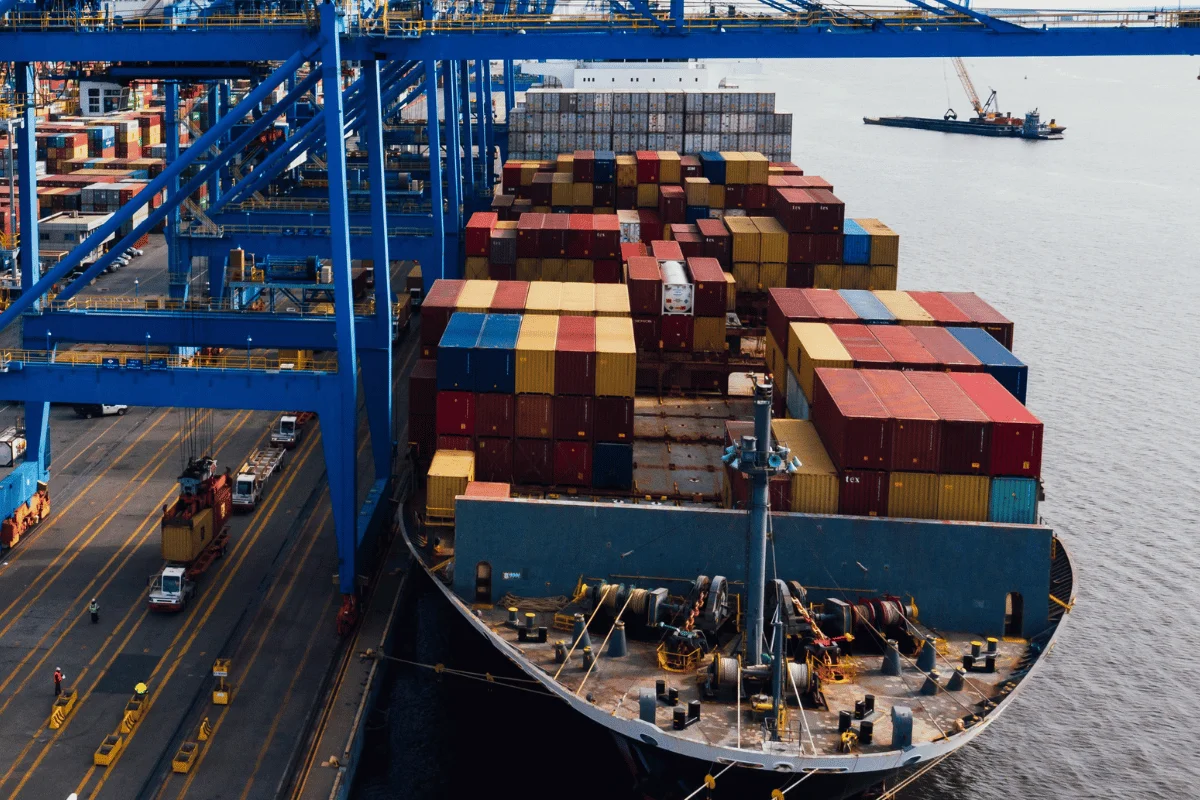

From cost factors to optimization strategies, here’s everything you need to know about LCL freight.
Driven in part by technological advancements and an increasing need for cost-effective logistics solutions, the demand for LCL sea freight services continues to increase globally.
As an importer/exporter, you may also need LCL services for smaller shipments to optimize your supply chain, for which you would need the right logistics partner.
Fortunately, digital freight forwarding solutions have emerged to streamline logistics for smaller shippers, especially those whose needs are often ignored by traditional forwarders.
In today’s article, we take a deep dive into the LCL shipping sector to see how it works and how to optimize your LCL shipments to reap the full benefits of the service.
How Ship4wd helps: As a digital freight forwarder, we at Ship4wd are dedicated to helping SMBs become key players in their industry through innovative logistics solutions.
For example, we are the only freight forwarding company guaranteeing container space allocation. We can book container space for your LCL shipment at secure, competitive prices up to 14 days before the shipping date.
Let us help you ship cargo efficiently and cost-effectively. Create a free Ship4wd account today to start your journey.
What is LCL Sea Freight?
LCL stands for Less-than-container load, a sea or ocean freight shipping method where several shipments are placed in one container.
LCL shipping is ideal for small and medium businesses and e-commerce sellers with smaller loads that cannot fill a container independently.
The premise is that multiple shippers share the same container, each paying only for the space their cargo uses.
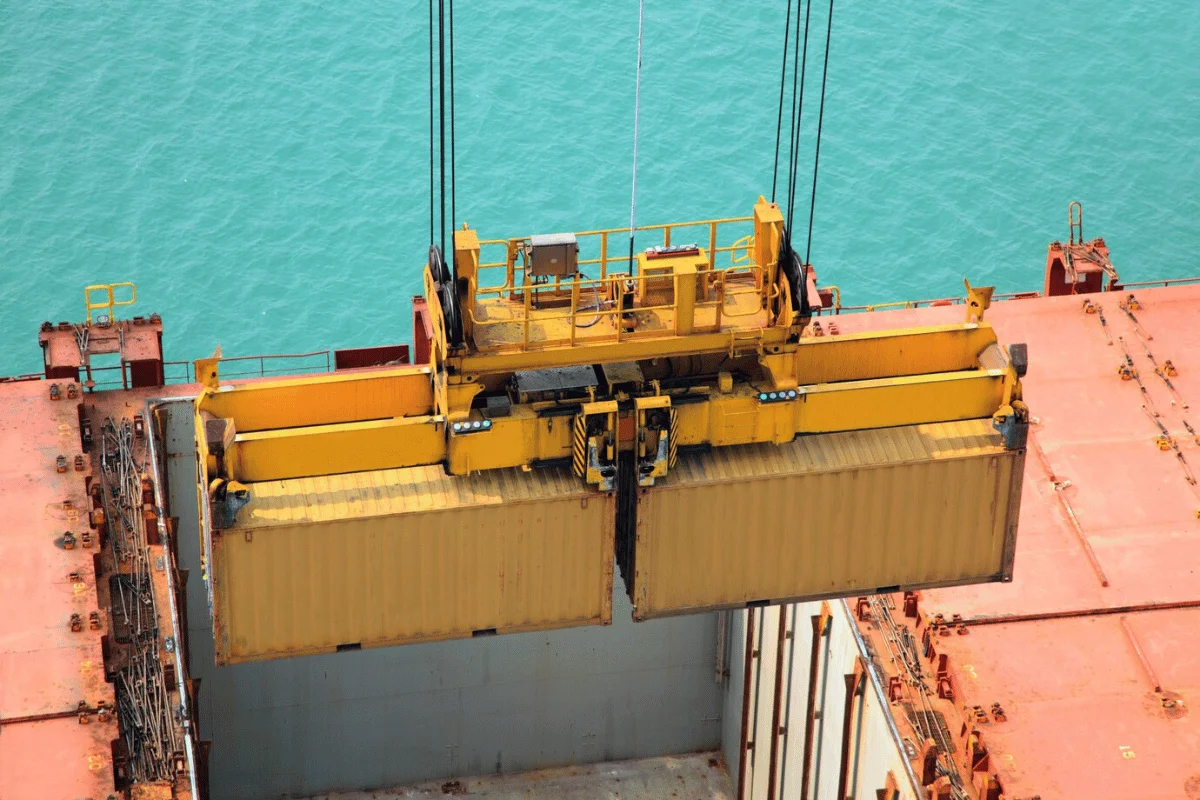
FCL vs. LCL – What’s the Difference?
Let’s look at the major differences between FCL and LCL shipping methods:
- FCL stands for full container load, a sea or ocean freight shipping method in which a single shipper exclusively secures a full container for their cargo.
However, the container may not always be full to the brim. Sometimes, booking a full container makes more economic sense even if your cargo doesn’t fill it.
- LCL shipping works best if you have a smaller load that cannot fit in half a container. You would be better off with a groupage shipment instead.
FCL and LCL shipping also differ in terms of speed. LCL freight is slower due to the time spent consolidating and deconsolidating shipments. FCL has faster shipping times as there are fewer cargo handling requirements.
There can be a thin line when it comes to choosing between FCL and LCL shipping.
If your cargo exceeds half a container, you might want to ask your freight forwarder to quote the costs of both methods. LCL transport might cost more per cubic meter than FCL shipping.

Benefits of LCL Freight
Here are some LCL sea freight benefits to consider:
- Cost-Effectiveness for Small Volumes: LCL shipping rates are typically more friendly when transporting smaller shipments.
- Cheaper than Air Freight: LCL shipping costs are much lower for low-volume, dense (high-weight) shipments than air freight forwarding services.
- Ease of Finding Space During Peak Seasons: You can secure container space more easily for LCL shipping than FCL freight during peak seasons. FCL space is usually overbooked during peak times as businesses ship more goods to meet the increased demand.
- Increased Flexibility: LCL freight forwarding is more flexible than FCL in terms of cargo volume. You can also book shipments depending on demand for your products. Additionally, you can divide your shipments to be offloaded at different destinations.
- Reduced Costs of Holding Inventory: Since you can ship small volumes frequently and fulfill orders on demand, you can cut back on storage costs.

How LCL Transport Works
Transporting your cargo through the shared container shipping option involves several stages:
- Cargo Booking: After obtaining and comparing LCL cargo shipping quotes using a freight forwarding cost calculator, you can book the shipment with your preferred carrier. You’ll have to submit all the necessary documents as requested by the forwarder and carrier.
- Pre-Shipment Inspection: You can plan with your freight forwarder to have your cargo inspected before shipping. The forwarder will check that the goods are of the right quantity and quality, as you indicated.
- Pickup and Haulage to Port: Your freight forwarder then arranges to pick up your packaged cargo from the location you indicate. The cargo usually travels by truck and is unloaded and processed at a container freight station or warehouse at the port of origin.
- Consolidation: Your shipment is then loaded into the shared container alongside other cargo before the container is loaded onto a ship ready for transportation.
- Unloading and Inspection: The cargo is deconsolidated and inspected for damages or loss after the carrier ship arrives at the destination port..
- Customs Clearance: Your freight forwarder can send your shipment to a customs-bonded warehouse for customs clearance once it arrives. Alternatively, they can clear the cargo before it arrives. You should receive a ‘customs clearance completed’ notification once your shipment is cleared and released for pickup.
- Pickup or Delivery: You can pick up your cargo or engage your forwarder’s last-mile delivery service to bring it to your preferred destination.

Factors That Influence LCL Shipping Costs
You can expect LCL cargo shipping rates to change depending on factors such as:
- Seasonal Fluctuations in Demand: Peak season shipping leads to higher costs as shippers compete for container space.
- Cargo Weight, Size, and Volume: Heavier, large-sized, or bulkier cargo costs more to ship as it takes up more space.
- Carrier and Pricing Structure: Different shipping lines have varying pricing structures. Some may charge more for the same shipment amount.
- Cargo Type: Hazardous goods usually attract higher shipping rates than standard cargo. They may require longer processing times or extra security and special transit equipment.
- Distance and Shipping Route: Longer routes may lead to higher costs, and your cargo may be forced to go through a longer route if other shippers’ goods are taking those routes.
- Container Ship Capacity: Under normal circumstances, more cargo ship container capacity can mean lower costs per unit because of economies of scale. However, the cost may rise if space is used poorly or port infrastructure limits the use of such large ships.
You’ll want to work with a freight forwarder with transparent pricing. With Ship4wd, you can generate and compare multiple quotes with zero hidden costs, making it easy to budget your shipments.
Search and compare shipping quotes with Ship4wd today.

How to Optimize LCL Cargo Shipments
Optimizing your LCL shipments won’t be a one-time event. Here are some tactics to employ throughout the continuous process:
- Ensure Efficient Packaging: Always measure your cargo’s size, volume, and weight accurately to avoid overbooking space that you’ll be forced to pay for without using. Use uniform packaging in size and weight to make it easier to stack and maximize space usage.
- Ensure Proper and Timely Documentation: Avoid customs clearance delays by submitting accurate documents in time for every shipment.
- Select the Right Container: Always take the right container for your cargo to avoid damage, especially if it has specific requirements like temperature control.
- Use Off-Peak Shipping: Try to ship your cargo during low-demand seasons to enjoy shipping at lower rates.
- Use Cargo Insurance: Always take up cargo insurance to protect your goods from damage or loss.
Above all, the best way to optimize your LCL shipping process would be to work with a freight forwarder. Based on their experience and expertise, they can handle the necessary procedures so you can focus more on taking your business to the next level.
They can also maintain clear communication with the other shippers you share container space with to avoid delays in shipments or customs clearance.

Challenges of LCL Shipping and How to Address Them
Like other forms of shipping, LCL transport has several downsides.
Let’s look at the major ones and understand how to overcome them:
- Poor Safety and Security for Goods: LCL cargo is prone to damage or loss between the many handling processes. Use appropriate packaging to ensure your goods are packed safely. Cargo insurance also comes in handy.
- Frequent Delays: The many handling processes usually lead to shipment delays. Customs clearance delays are also common if the other shippers’ shipments have issues. Ensure you plan well ahead to allow enough time before the set delivery deadline.
- Coordination Hurdles with Other Shippers: Working in sync with other shippers can be tricky. Proper communication is often an issue. You can have your freight forwarder communicate proactively with other shippers or their forwarders on your behalf.
- Container Space Shortage: Sometimes, it’s difficult to secure container space, even for smaller shipments. You can work with us as your freight forwarder because we guarantee container allocation up to 14 days in advance for LCL shipments at locked-in competitive rates.
Frequently Asked Questions (FAQs)
Here are answers to some questions shippers often ask about LCL sea freight:
Why Choose LCL Cargo Over Other Shipping Methods?
LCL cargo is a preferred shipping method because of its greater flexibility, relatively lower costs for smaller shipments, and greater availability during peak periods.
You can always choose our LCL shipping services at Ship4wd because of guaranteed space allocation and shipment handling by skilled professionals only.
What Documentation is Needed for LCL Transport?
LCL transport typically requires documents such as:
- Commercial invoice
- Bill of lading
- Certificate of origin
- Packing list
- Import or export customs declaration
- Insurance certificate
- Dangerous goods declaration (if applicable)
Can LCL Shipping Handle Hazardous Materials?
Yes. Generally, sea freight forwarding has fewer restrictions on transporting hazardous cargo.
Your freight forwarder can advise you on any specialized transit arrangements required, as well as documentation and compliance.
Conclusion
LCL sea freight shipping can be a great way to get into international trade and expand to new markets as the world increasingly turns into a global village.
The good news is that you no longer have to worry about finding the right shipping partner. You can count on us at Ship4wd, the best digital freight forwarding company, to handle all your shipping needs while you focus on expanding your business.
We are dedicated to helping you become a formidable player in your industry. You can benefit from our exceptional LCL shipping services that include secured freight prices, guaranteed container space allocation, flexible credit lines, and all-risk cargo insurance.
Sign up for a free Ship4wd account today to streamline your shipping process through our digital platform.