



Navigate the complexities of hazardous materials transport with a complete guide to the hazmat bill of lading.
Transporting dangerous goods or hazardous materials (HAZMAT) is often considerably riskier than standard cargo shipping. If these toxic, flammable, radioactive, or explosive substances are handled incorrectly or indelicately, they can expose the carrier, people, nature, the environment, and other properties to significant danger.
This is why, in addition to accurate hazmat labeling and secure packaging, shippers are required to provide proper documentation for all hazmat shipments, the most important of which is the Hazmat Bill of Lading.
In this guide, we’ll discuss what a hazmat bill of lading is, why it’s important, and how it’s different from a conventional bill of lading. You’ll also learn the most effective way to fill out the hazmat BOL document to avoid errors that may lead to delays and more.
Quick Overview: Hazmat Bill of Lading (BOL)
What Is a Hazmat Bill of Lading?
- A Hazmat Bill of Lading is a mandatory shipping document used when transporting hazardous materials. It details the type, quantity, and handling requirements of the dangerous goods being shipped.
Why It Matters
- The document ensures compliance with the U.S. Department of Transportation (DOT), International Maritime Dangerous Goods (IMDG) Code, and global hazmat regulations. Without a proper Hazmat BOL, shipments can be delayed, fined, or seized.
What Information It Includes
- A Hazmat BOL must clearly list:
- Proper shipping name of the material
- Hazard class/division
- UN/NA identification number
- Packing group
- Quantity and type of packaging
- Emergency contact information
Who Needs a Hazmat BOL
- Any shipper moving regulated hazardous goods—including chemicals, batteries, flammable liquids, or medical waste—must prepare and file this document accurately.
- Recent updates to hazmat shipping regulations, including stricter enforcement on lithium batteries in electronics and increased inspections for chemical imports, highlight the importance of precise documentation. Non-compliance now carries higher risks of shipment holds, penalties, and tariffs under evolving trade laws.
How Ship4wd Helps Small and Mid-Sized Businesses with their Hazmat Documentation Process
Ship4wd manages the entire hazmat documentation process digitally, ensuring accuracy, regulatory compliance, and seamless customs clearance. Our end-to-end platform with 24/7 expert support makes it easier for SMBs with lean teams to ship hazardous goods without delays or risks.
Looking for help shipping dangerous goods and hazardous materials safely? Our team at Ship4wd can help with everything from accurate paperwork filings to the customs clearance process and transportation.
Sign up with us today for a smooth and stress-free hazmat transport experience.
What Is a Hazmat Bill of Lading?
A hazardous material bill of lading (Hazmat BOL) is a crucial shipping document that specifically identifies the shipped cargo as dangerous or hazardous. It typically contains specific details about the cargo, safe handling instructions, quantity, destination, and other information required to help shippers and cargo handlers take all necessary precautions while moving the shipment.
This Pipeline and Hazardous Materials Safety Administration (PHMSA) document outlines key information that must be included in a hazmat bill of lading. All official or proper nomenclature or terminologies must comply with the Hazardous Materials Table. Ensure that all details are correctly filled out. Failure to do this can result in unnecessary cargo shipment delays and possible fines.
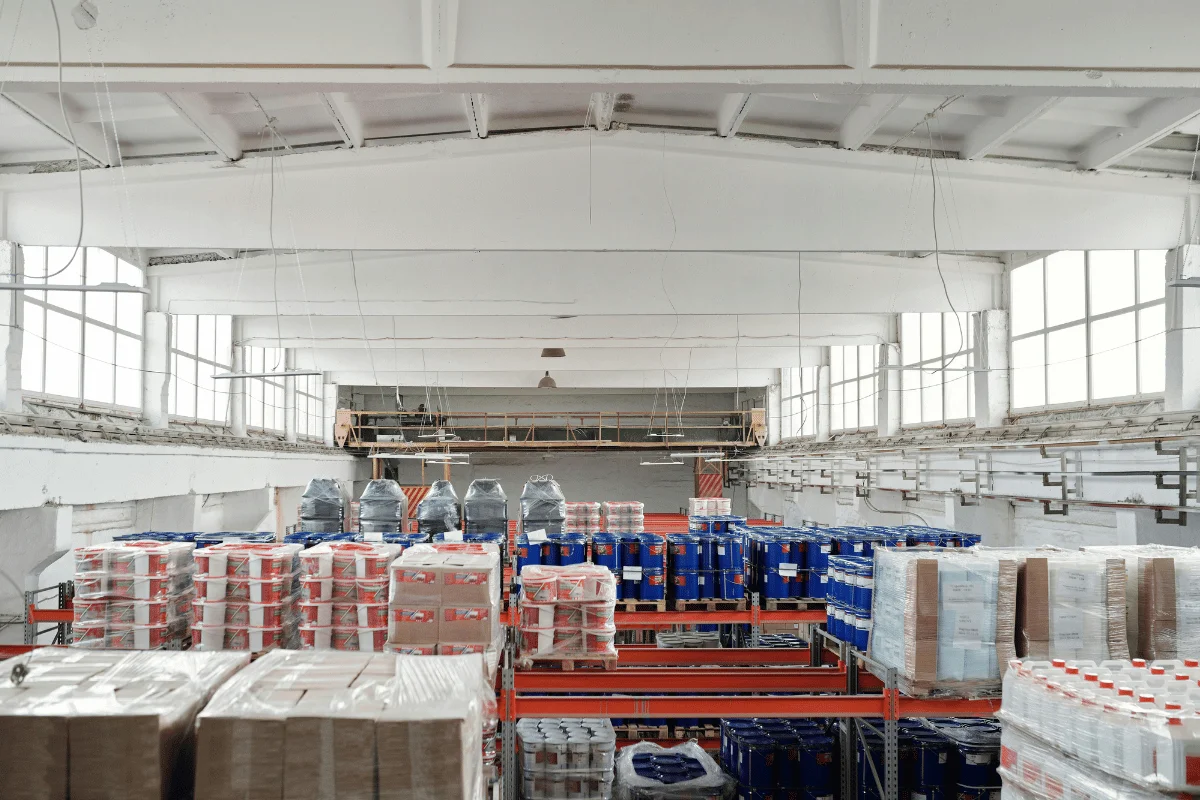
Differences Between a Standard Bill of Lading and a Hazmat Bill of Lading
A standard bill of lading is a general shipping document containing information about regular shipments. A hazmat bill of lading, on the other hand, specifically addresses dangerous goods.
They also differ in a few other ways, including:
- Document purpose: A regular BOL typically serves as a contract between a manufacturer and the shipper/carrier and also serves as a receipt of transactions between both parties. Similarly, a Hazmat BOL fulfills the same requirements but has additional compliance elements that notify the carrier, port authorities, and other relevant bodies of the shipment’s adherence to established safety standards and regulations.
- Cargo information: While a regular BOL has basic information like shipment description, destination, shipper and consignee details, and shipment quantity, a hazmat BOL requires additional information. This includes an identification number, correct shipping name, hazard class, and packing group information.
- Regulatory compliance requirements: While a standard BOL is required to meet standard regulatory requirements, a hazmat BOL needs to meet more stringent requirements as stipulated by the Pipeline and Hazardous Materials Safety Administration (PHMSA).
- Documentation specifications: A standard BOL usually comes with regular shipping documents, while a hazmat BOL must have a Safety Data Sheet attached.
In summary, don’t assume that a regular or standard bill of lading is the same as a hazmat bill of lading. They may fulfill the same roles, but shipping dangerous cargo internationally and locally will be nearly impossible without a hazmat bill of lading.
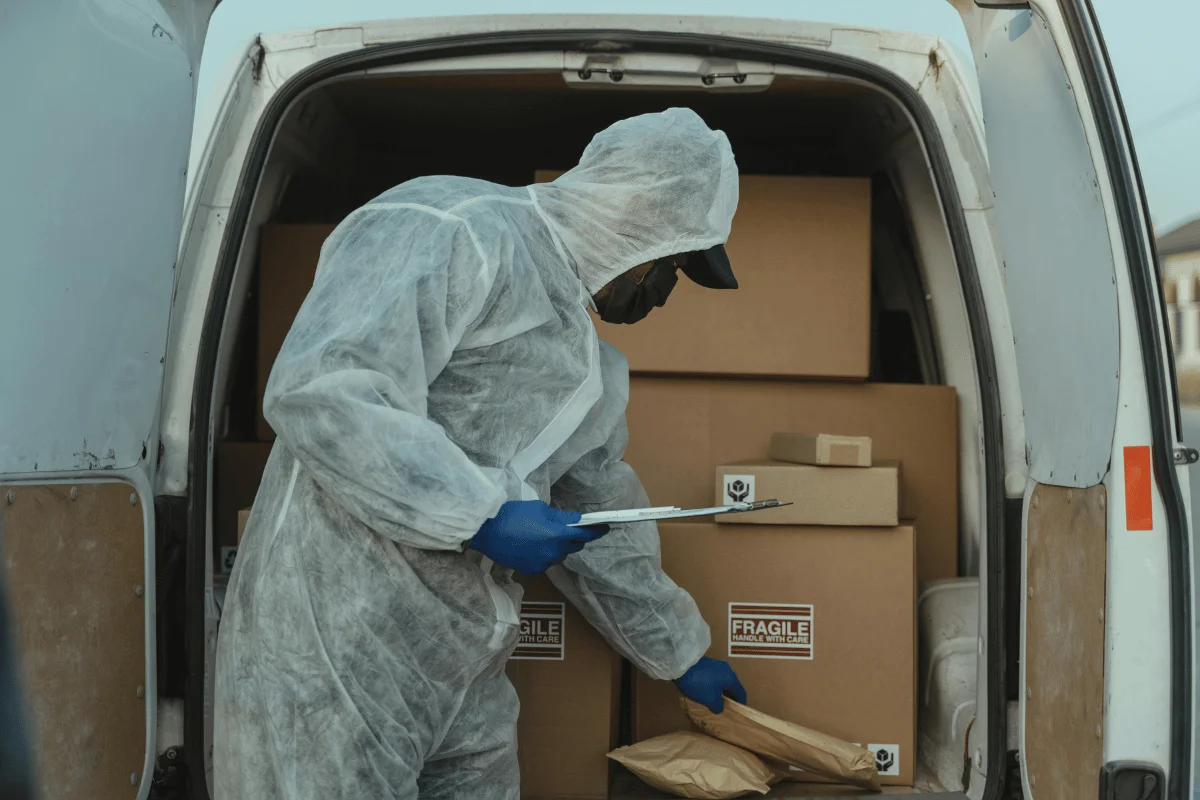
Key Aspects of the Hazardous Materials Transportation Act
The Hazardous Materials Transport Act (HMTA) is a legislation that was published in 1975. It covers a broad scope of regulations and measures enacted to ensure the safe transport of dangerous cargo across land, sea, and air.
The Secretary of Transportation oversees the enforcement of the regulations through the Pipeline and Hazardous Materials Safety Administration (PHMSA). It’s a robust and comprehensive regulation, so SMB importers can get started with the highlights to understand a few aspects of shipping dangerous goods safely.
These highlights include:
- Policies and procedures: Section 107 of the HMTA outlines policies and processes that guide regulatory compliance with agencies like the International Air Transport Association (IATA) and the U.S. Department of Transportation (DOT). It also covers training requirements for shipping hazmat goods, preparation and handling processes, and packaging standards to align with standards established by relevant federal agencies.
- Material designations and labeling: This aspect of the Act emphasizes the importance of proper hazmat labeling and handling. It provides a guideline with the list of nine hazard classes, grouping information, and labeling requirements (including shipping name, placarding, labeling, and marking). It also covers proper documentation requirements like the dangerous goods declaration or DGD form for shipping hazardous materials.
- Packaging specifications: Sections 173, 178, and 180 of the United States Code of Federal Regulations – which encompass the HMTA and other legislations – outline hazmat cargo packaging best practices that align with federal regulations and ensure the safe delivery of dangerous goods to their intended destinations. Failure to adhere to these guidelines can result in significant penalties for all involved parties.
- Operational rules: This section of the HMTA specifies how dangerous goods are to be prepped, packed, packaged, handled, and shipped to ensure cargo safety and minimize danger before, during, and after shipping. This covers everything from storage requirements and transport options to loading/unloading instructions, emergency response information, and route planning processes.
To successfully ship hazardous materials and goods from one country to another or between local destinations within the country, you need shipping professionals who are intimately familiar with the HMTA and other regulations. Our experienced dangerous goods shipping team at Ship4wd can help you.
Use Ship4wd hazmat shipping today to ensure an HMTA-compliant shipping process.

Hazmat Bill of Lading Requirements
A complete hazardous materials BOL often has some or all of the following information:
- Shipper and consignee
- Cargo origin and destination
- Shipment volume or weight information
- Cargo description
- Identification Number
- Shipping Name
- Hazard Class
- Packing Group
- Shipper’s certification
- Quantity of hazardous materials
- Additional information, such as warning signs
- Types of packaging used for hazardous materials, e.g., boxes or drums
The details you’ll need to enter depend on factors such as the type of hazmat shipment, regulatory requirements, and more.

How to Fill Out a BOL for Hazardous Materials
A complete hazmat bill of lading has three sections: basic information, hazardous materials description, and compliance sections.
Here’s how to fill out each section:
- Step 1: Basic Information — Fill out the shipper’s (consignor) and recipient’s (consignee) names and addresses, followed by the origin and destination addresses. Then, mention the total number of packages making up the entire shipment. Finally, add a brief description of the hazmat shipment.
- Step 2: Hazmat Description — You’ll need to fill out four key elements in this section. First is the Identification Number, followed by the Proper Shipping Name (PSN) – see the Hazardous Materials Table to find this. The third is the Hazard Class, followed by the Packing Group. If necessary, you can add extra information, such as shipment quantity or any other detail.
- Step 3: Compliance information — Where necessary, you have to fill out or provide a Shipper’s Certification, which certifies that the hazmat shipment has been properly packaged, classified, labeled, and prepared for shipping. Also, add emergency contact information in the event of an accident.
Although this looks complicated, it’s not. It’s straightforward once you understand it. For an example of a completed hazmat bill of lading, see page 5 of the PHMSA document linked above.

Frequently Asked Questions (FAQs)
Here are some of the most common questions that we receive from our clients:
The HMTA ensures the safety and security of lives and properties while transporting hazardous materials. It does this by providing guidelines, policies, and processes and establishing regulatory compliance requirements that all involved parties must adhere to.
Without its enforcement, shippers, carriers, transporters, and the general public would suffer the harmful effects of exposure to hazardous substances. This can lead to significant financial losses, severe health conditions, and possible fatalities.
It’s used to declare and describe hazardous materials during transportation, ensuring compliance with safety and customs regulations.
Carriers, customs authorities, and safety regulators all require the document to verify the safe handling and legal import/export of dangerous goods.
A standard BOL covers general shipping details, while a Hazmat BOL includes additional hazardous material information, such as hazard class, UN number, and emergency response instructions.
Shipments may be held, refused, fined, or seized by customs and regulatory authorities. Non-compliance can also expose shippers to liability in case of accidents.
Hazmat cargo is still subject to standard import duties and tariffs, which depend on HTS classification, value, and origin. Additional fees may apply for handling and safety inspections.
Some common errors shippers make when filling out a Hazmat BOL include incorrect hazmat identification, missing hazmat description, inaccurate or incomplete hazmat information, and missing details like Proper Shipping Name or Identification Number and quantity of hazardous materials.
The hazardous materials regulated by the Department of Transportation (DOT) include gases, flammable liquids and solids, explosives, poisonous liquids, gases and solids, infectious substances, corrosive materials, radioactive substances and compounds, oxidizing substances, and miscellaneous hazardous materials.
See this resource for a more comprehensive breakdown of DOT-regulated hazardous materials.
Conclusion
Errors in your hazmat bill of lading document can be costly. These unnecessary mistakes can cause delays at the port, attract major fines, and lead to possible confiscation. The best way to avoid this is to seek the guidance and expertise of shipping experts specializing in dangerous goods transport.
At Ship4wd, our team has experience moving hazardous materials and dangerous goods globally and locally. We can prepare the document properly, ship your hazmat cargo, handle the customs clearance, and ensure your cargo is delivered to your preferred destination.
Sign up with us for an easy and seamless hazmat shipping experience.