


In the complex world of global trade, importers rely on a network of logistics partners to keep goods moving efficiently across borders. Among these partners, freight forwarders and shipping agents play key roles. Their responsibilities can appear similar, which often leads to confusion, especially for businesses new to international shipping.
Understanding the distinct roles these providers play isn’t just a technical detail. It can directly affect how smooth, cost-effective, and reliable your supply chain is. While both contribute to the shipping process, their functions differ in focus and scope. We’ll provide a clear breakdown of their responsibilities, helping you make informed choices about who supports your cargo at each stage.
This isn’t just about definitions. This is about making decisions that shape how your business moves. As you explore the differences ahead, you’ll gain insights that support smarter logistics planning. And with a digital freight forwarder like Ship4wd, you’ll have access to the tools, visibility, and flexibility needed to move goods confidently across borders.
What is a Shipping Agent?
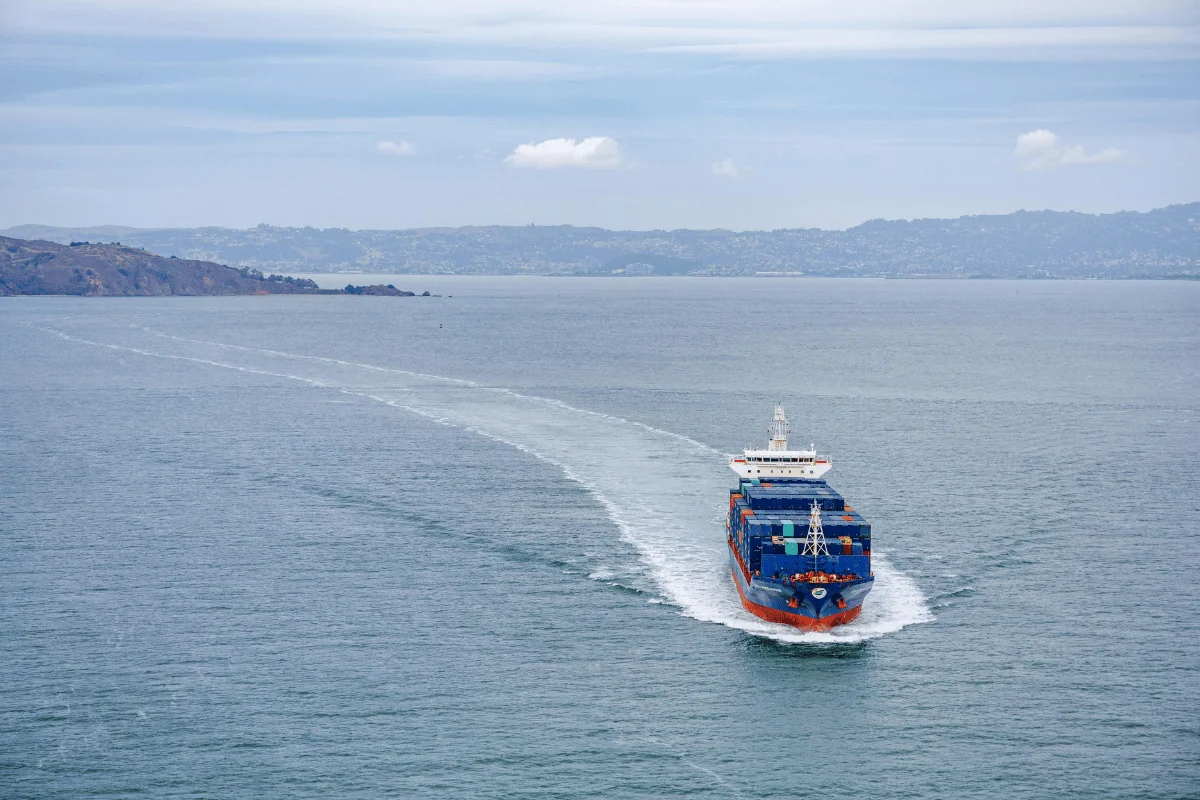
A shipping agent, also known as a ship agent or port agent, is appointed by the vessel’s owner or charterer to handle the vessel’s needs while docked. Acting on behalf of the carrier, they ensure port operations run smoothly and comply with local requirements.
While they play an important role in port logistics, shipping agents are not involved in managing the transportation of goods beyond the dock. They don’t arrange inland delivery, consolidate shipments, or coordinate complex logistics across multiple transport modes. Instead, their focus is on serving the vessel and ensuring smooth operations while it’s in port.
Responsibilities of a Shipping Agent
Shipping agents are responsible for a wide range of tasks, including:
- Berth Arrangements: The shipping agent ensures the vessel has a reserved docking space upon arrival.
- Pilotage and Tug Services: They coordinate safe entry and exit for the vessel by arranging necessary port assistance.
- Vessel Documentation and Port Formalities: Agents handle all required paperwork related to the vessel to comply with local port and customs regulations.
- Crew Support: They assist with crew changes, medical needs, and supplying the vessel with essentials.
- Cargo Operations: The agent oversees cargo handling at port, working closely with stevedores to ensure smooth loading and unloading.
- Maintenance and Repairs: If needed, they arrange inspections or repairs while the vessel is in port.
- Communication: Acting as the shipowner’s representative, they keep all parties in sync.
Put simply, the shipping agent is the vessel’s go-to contact in port; handling everything from docking to paperwork and making sure local regulations are followed. Their on-the-ground expertise helps keep port operations running smoothly, so the ship stays on schedule and everything moves as planned.
What is a Freight Forwarder?
A freight forwarder is a logistics specialist responsible for arranging the transportation of goods on behalf of importers and exporters. They manage the entire shipping process from origin to destination, working directly with the business that owns the goods. Unlike shipping agents, who represent the interests of the vessel and its operator, freight forwarders focus on the cargo and ensure it moves efficiently across international borders.
Traditional freight forwarders coordinate with multiple carriers, handle documentation, and help navigate customs procedures using a mix of phone calls, emails, and spreadsheets. While effective in the past, this approach often leads to limited visibility, fragmented communication, and manual effort. This has created a growing need for more streamlined and technology-driven solutions.
What is a Digital Freight Forwarder?
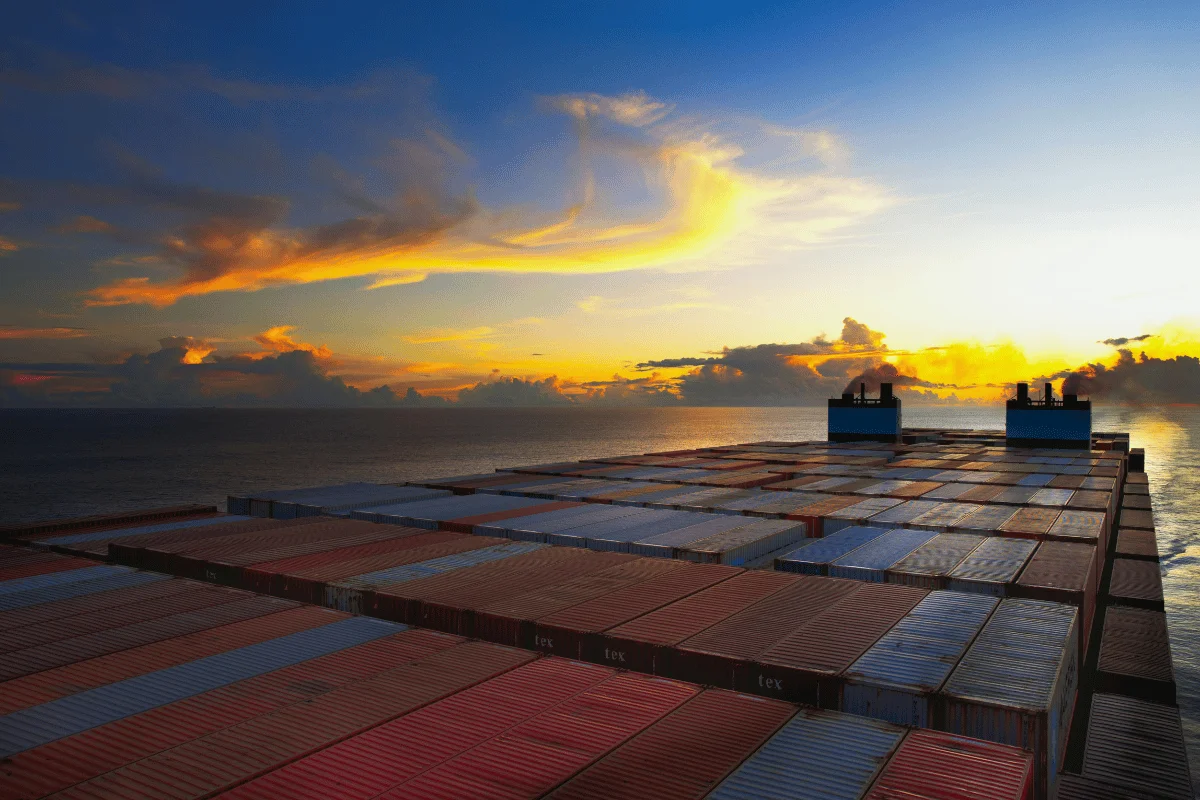
A digital freight forwarder uses technology to improve and modernize the freight forwarding process. Rather than relying on traditional back-and-forth communication and paperwork, digital platforms centralize and automate much of the work. Platforms like Ship4wd enable importers to request quotes, book shipments, track cargo, and access shipping documents, all in one place.
For small importers, this approach helps remove many of the barriers that once made global shipping feel overwhelming. With their intuitive user interfaces, they make it easier to deal with international logistics without deep industry experience. Digital freight forwarders offer a smarter, more accessible way to move goods across the globe.
Responsibilities of a Freight Forwarder
Freight forwarders manage a comprehensive range of services to keep international trade moving smoothly:
- Transportation Coordination: They plan efficient routes and select reliable carriers across sea, air, rail, or road to ensure timely delivery.
- Customs Clearance and Documentation Handling: They manage the process, communicate with customs, and help organize and submit key documents like bills of lading, commercial invoices, and certificates of origin, supporting compliance at each border.
- Pre-Shipment Inspections: Freight forwarders can arrange inspections at the supplier’s location to verify cargo quality, packaging, and labeling before it leaves the origin, helping importers avoid delays or compliance issues at destination.
- Cargo Insurance: They help protect goods by arranging coverage in case of loss, damage, or unexpected delays.
- Consolidation Services: They combine multiple smaller shipments into one container to reduce costs and improve efficiency.
Freight forwarders work on behalf of the cargo owner, coordinating each stage of the shipment and managing all the moving parts. With digital freight forwarders like Ship4wd, importers gain more visibility and control through online tools and simplified workflows, from booking to delivery.
Shipping Agent vs. Freight Forwarder: What’s the Difference?
When it comes to navigating international trade, understanding the differences between a freight forwarder and a shipping agent can help clarify who supports which part of the shipping process. While both operate within the broader shipping ecosystem, they serve different purposes, represent different stakeholders, and manage entirely separate responsibilities.
Let’s take a closer look at their differences:
Who They Represent
- Freight Forwarder: Represents the cargo owner. Whether working with an importer or exporter, the freight forwarder manages logistics from pickup to final delivery. Their job is to ensure the goods move efficiently, safely, and in compliance with global regulations.
- Shipping Agent: Represents the shipowner or carrier. Their focus is on the vessel itself rather than the cargo it carries. Shipping agents coordinate port activities and make sure the ship’s needs are met during docking, loading, and departure.
Services Offered
Freight Forwarder:
- Arranges transportation by sea, air, road, or rail
- Handles documentation and customs clearance
- Can provide cargo insurance, pre-shipment inspections, and other added-value services
- Provides end-to-end shipment management for a seamless delivery experience
Shipping Agent:
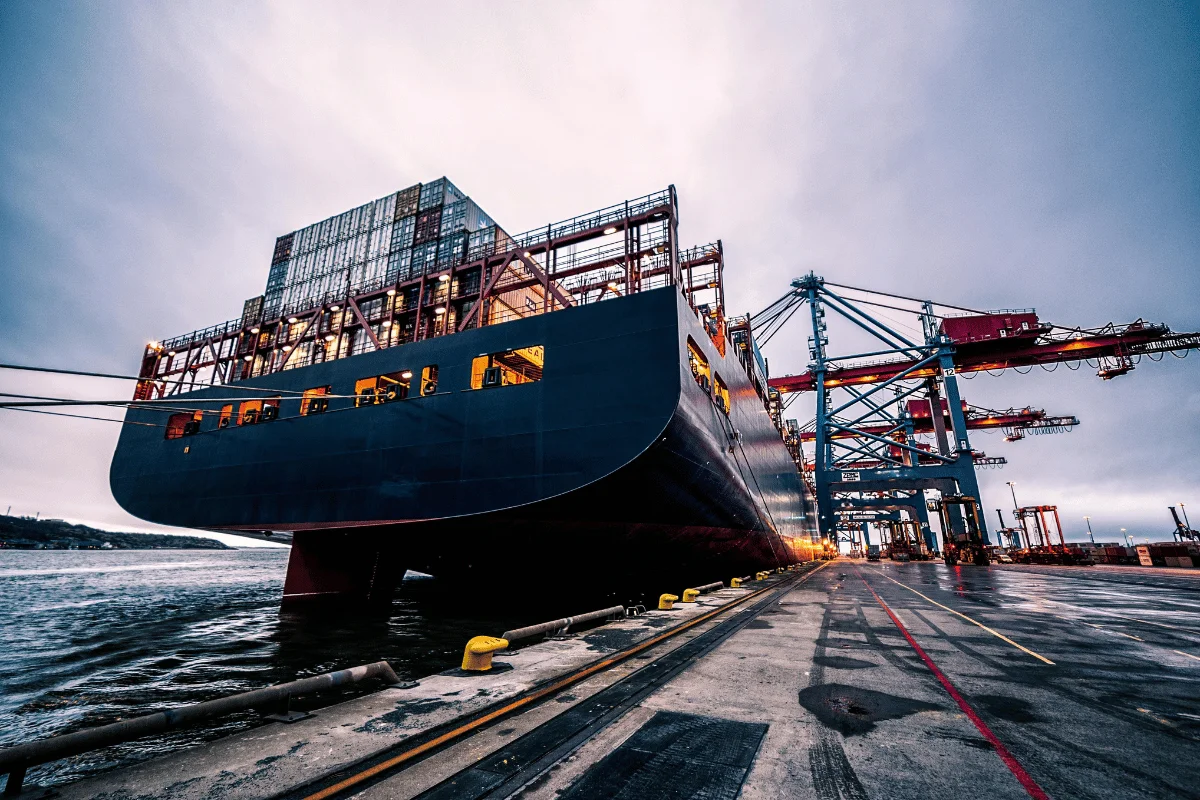
- Coordinates the vessel’s arrival, berthing, and departure
- Oversees port operations such as loading, unloading, and liaising with stevedores
- Manages crew needs, including medical services and provisioning
- Acts as the communication bridge between the ship and port authorities
Scope of Responsibility
- Freight Forwarder: Takes charge of the entire logistics journey. This includes booking carriers, submitting documents, managing customs, and arranging for the final delivery of goods. Their role continues until the cargo reaches its destination.
- Shipping Agent: Manages the ship’s activities while it is docked. They ensure local compliance, resolve any operational issues, and keep the vessel on schedule. Their involvement typically begins shortly before the ship arrives at port and ends once it departs.
Who Each Role Supports
- Freight Forwarder: Builds direct relationships with businesses shipping goods across borders. This often includes personalized support, route planning, and effective communication to help clients navigate logistics challenges.
- Shipping Agent: Works closely with the shipowner or operator, not with the shipper or cargo owner. Their main priority is the condition, schedule, and operation of the vessel during port stays. Their expertise ensures smooth coordination with local authorities, port workers, and service providers.
By understanding how freight forwarders and shipping agents differ, you can make more informed decisions about who supports each stage of the shipping process. If you’re moving goods across borders and want a solution that prioritizes visibility, control, and simplicity, a digital freight forwarder can help you manage every step with confidence.
Ship4wd: Your Trusted Digital Freight Forwarder
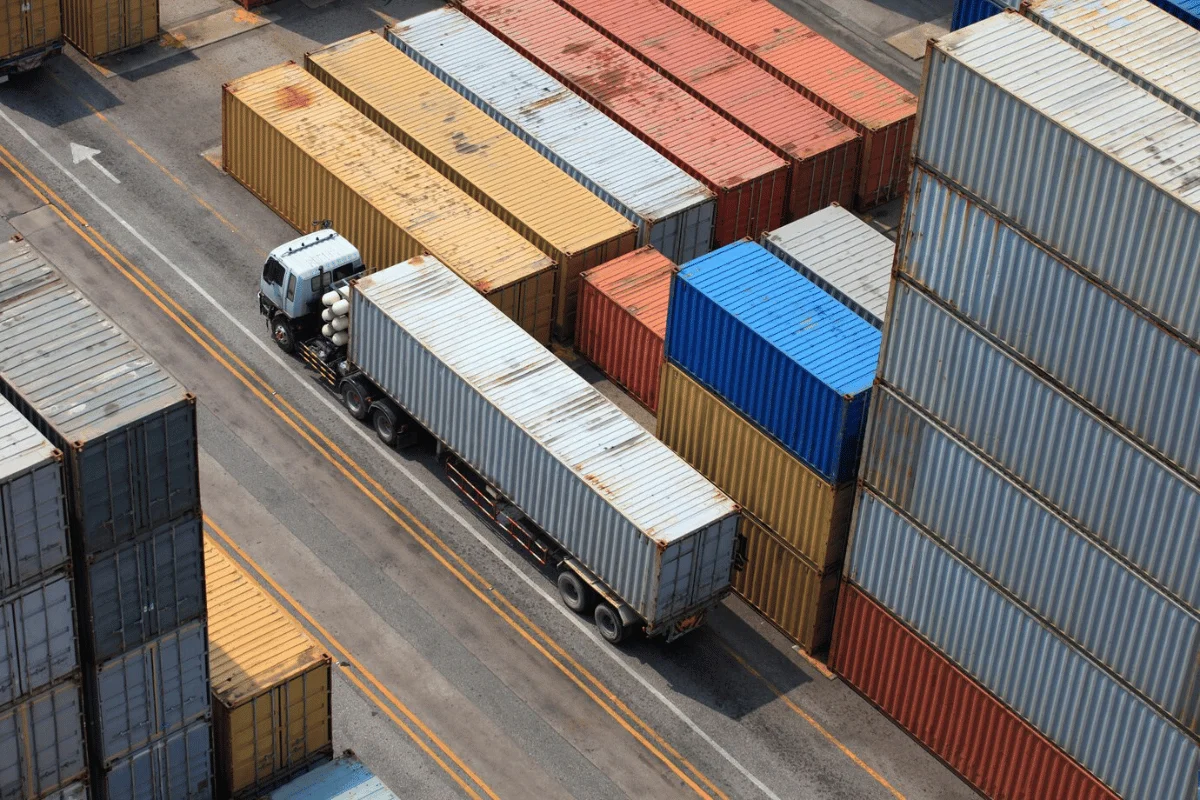
Ship4wd is built to simplify global shipping, so you can focus on running your business. From booking and cargo protection to customs clearance and final delivery, our platform helps manage every step of the logistics process with speed and confidence.
Through our all-in-one digital dashboard, you can get instant quotes, book international air and ocean freight (including both FCL and LCL), arrange cargo insurance, and streamline key shipping documents—all in one place. With competitive rates, pre-shipment inspections, advanced tracking tools, and global logistics expertise, Ship4wd makes international freight more accessible than ever.
We also provide flexible financing options for eligible businesses, with payment terms of up to 90 days to support healthier cash flow and better planning.
And if you need support, our team is available 24/7 to help you navigate the platform, track shipments, or answer questions along the way.
Get started with Ship4wd today and optimize your shipping operations with a trusted freight forwarder that supports your business from origin to destination.