

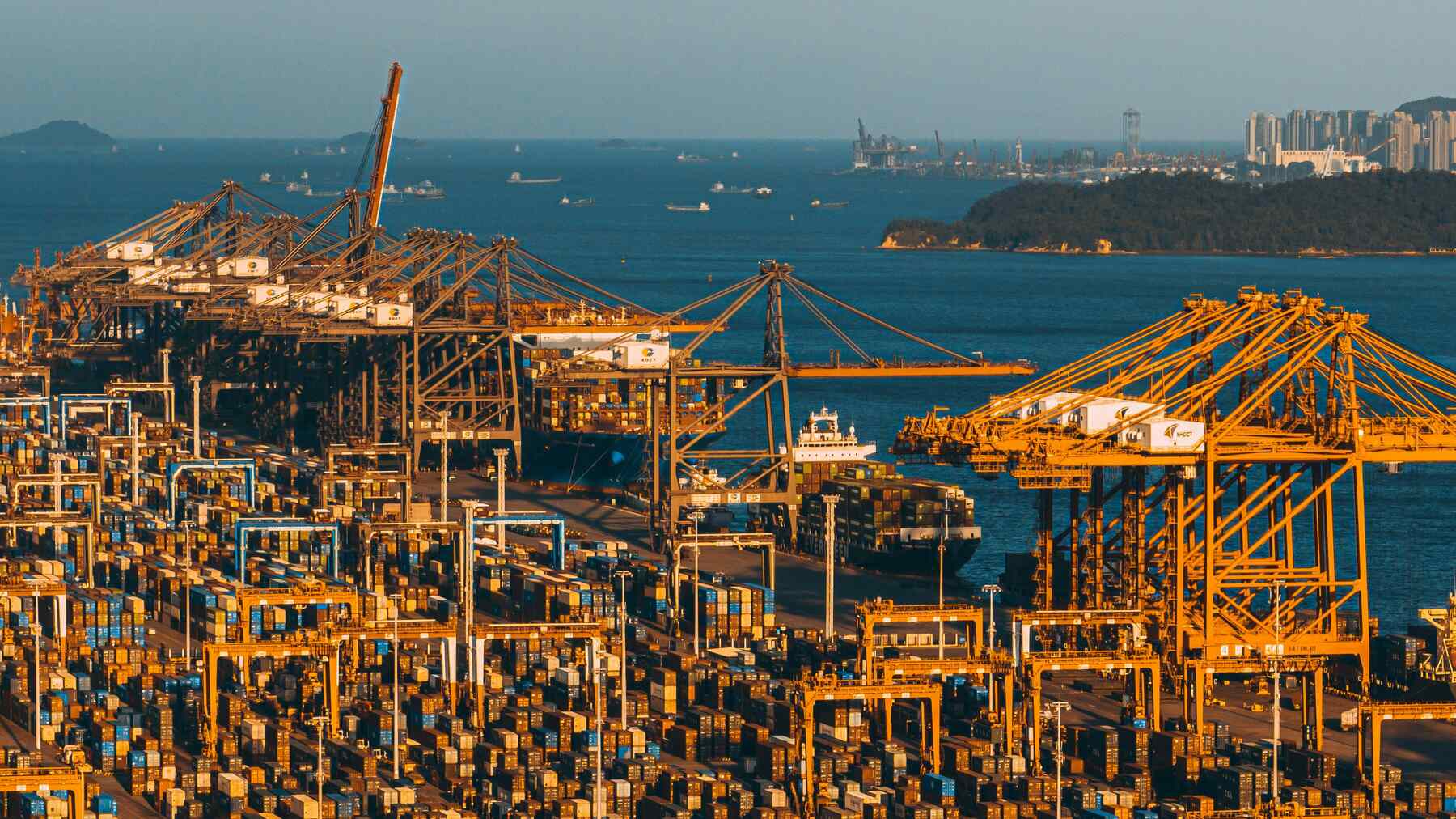

In the bustling ocean trade routes, port congestion is a common problem shippers face around the world. With it come shipment delays, rising costs, and impatient customers – challenges that create ripple effects across the entire supply chain.
Port congestion, meaning a situation where the volume of ships and cargo overwhelms a port’s handling capacity, prevents vessels and containers from moving smoothly in or out.
Quick Overview
Port congestion happens when ships can’t get a berth due to capacity constraints, causing long vessel waits and containers piling up on terminals. Such delays trigger a domino effect across global supply chains.
These issues are driven by several factors, including: surging trade volumes, outdated infrastructure, labor shortages, customs delays, and global disruptions.
To measure port congestion, you need to track vessel wait times, dwell times, berth occupancy, and turnaround times, among other metrics.
The solution lies in modernizing infrastructure, adopting digital tools, diversifying routes, improving visibility, and strengthening collaboration across the entire logistics chain.
What Is Port Congestion?
Port congestion is a scenario where ships arriving at a port must wait at anchorage because there is no available berth, leading to long dwell times for vessels as well as for containers that stay piled up on terminals. More than idle time, it is a logistics challenge that affects the entire supply chain.
Why Congestion At Ports Matters In Global Shipping & Supply Chains
When goods are held up due to delays at ports, it creates a domino effect that can lead to production halts, inventory shortages, and damaged brand reputation. A single congested port doesn’t just affect the ships waiting at its anchorage; it cascades through manufacturers in one country, retailers in another, and consumers everywhere.
As a shipper, port issues like these mean your shipment sits idle while costs mount, schedules collapse, and customers grow impatient.
How Port Congestion Is Measured
To accurately assess the severity of congestion at ports and also measure efficiency, specific key metrics are monitored. For example:
Vessel Wait Time At Anchor
This metric shows how long ships must wait at anchorage before a berth becomes available. Extended wait times signal severe congestion and represent pure operational waste, with vessels burning fuel for no productive purpose.
Average Container Dwell Times
It tracks how long containers sit at the terminal after being unloaded. Longer dwell times suggest bottlenecks in the cargo retrieval process that can happen due to customs delays, documentation issues, or transportation constraints.
Berth Occupancy Rates
It calculates the proportion of time berths are in use. While high occupancy might seem efficient, rates approaching 100% leave no buffer for disruptions and often indicate a port operating beyond its optimal capacity.
Turnaround Time
This measures the total time a vessel spends at port, from arrival to departure. Faster turnaround times indicate efficient operations, while extended turnaround times signal systemic port issues that affect the entire shipping network.
What Causes Port Congestion?
The fundamental cause of shipping congestion is that a port’s operating capacity cannot keep up with the volume of demand. However, this is the result of multiple interconnected port issues.
Surging Trade Volumes
Global trade has exploded over the past two decades. Ports, however, are built for an older era of trade, now face demands they were never designed to handle as cargo volumes overwhelm terminal capacity.
To get a sense of rising port traffic, consider the bulk carrier fleet – one example of how vessel numbers have surged across all segments. This fleet grew from roughly 10,000 vessels in 2013 to almost 12,200 by January 2024, adding further pressure on global port infrastructure and contributing to congestion worldwide.
Infrastructure Limitations
Many ports operate with infrastructure that’s decades old. Cranes designed for smaller vessels can’t efficiently service today’s mega-ships. Storage yards lack the space to handle peak volumes. Channels aren’t deep enough for the largest vessels.
When containers can’t be moved out of the terminal quickly, incoming vessels have nowhere to unload their cargo, creating a vicious cycle of delays at ports.
Labor Constraints
Shortages of skilled workers (like crane operators and truck drivers) or unexpected labor strikes quickly lead to backlogs. Even without strikes, insufficient staffing during peak periods creates processing delays that plague the entire system.
Customs & Regulatory Delays
Lengthy or complex customs clearance procedures, manual documentation, and changing regulations contribute to congestion at port facilities. In some cases, customs processing can add days to container dwell times, even when terminal infrastructure and labor are adequate.
External Shocks
Adverse weather events can halt operations entirely. Geopolitical disruptions force vessels to reroute, overwhelming alternative hubs that weren’t designed to handle the additional traffic.
For example, the grounding of the Ever Given in the Suez Canal in March 2021 halted global trade for six days, causing estimated losses of $9 billion per day.
What Are The Solutions To Port Congestion?
Effectively managing current congestion at ports requires a collaborative, multifaceted approach involving technology, infrastructure, and strategic planning.
Infrastructure Expansion & Modernization
Port authorities must expand terminals, deepen channels, and upgrade equipment to accommodate mega-vessels and increasing traffic volumes.
Embrace Digitalization & Automation
Adopting smart port solutions like automated cranes and AI-driven scheduling improves processing speed and accuracy. Digitalization facilitates operations even further.
For example, in 2021, the Port of Los Angeles introduced 24/7 gate operations to accommodate surging imports and reduce the buildup of trucks, alleviating peak-time congestion.
Diversify Routes & Use Alternative Ports
International shippers and freight forwarders should plan in advance and diversify routing strategies. Using alternative ports or spreading shipments across multiple terminals helps ease congestion levels.
Streamline Visibility & Documentation With Technology
With real-time tracking platforms, GPS, and digital freight systems, planners can reroute early instead of reacting late. Moreover, import/export documentation software automates compliance and significantly reduces customs delays at ports, while preventing the knock-on issues that typically follow.
Improve Collaboration Across The Supply Chain
Creating collaborative platforms and tools helps carriers, forwarders, customs, and terminal operators work in sync – improving coordination and giving everyone clearer visibility.
Will Port Congestion End Soon?
While efforts to ease global port congestion continue, a quick resolution is not yet in sight. Geopolitical disruptions, rising demand, and other pressures keep straining port networks. Combined with aging infrastructure and labor shortages, the current situation suggests shipping congestion and delays may persist for years to come.
However, while port congestion may be unavoidable, the right partner helps you stay ahead.
Ship4wd gives international shippers the tools and support they need to keep cargo moving smoothly.
Ship4wd’s innovative digital freight-forwarding platform helps SMBs find reliable carrier options and book a quote in minutes.
With real-time tracking, transparent pricing, and 24/7 expert support in a single dashboard, you get the visibility and control needed to plan smarter, minimize shipment delays, and keep every shipment on schedule.
Start shipping smarter. Sign up today!
FAQs
Why Are There Delays At Ports?
Delays at ports stem from a mix of issues that leave port capacity unable to handle the volume of demand. The most common causes include surging trade volumes, limited infrastructure, outdated planning systems, labor shortages, and more.
How Do I Check Port Congestion Status?
To check the current port congestion status, use real-time tracking platforms that provide live data and insights for global ports. Some tools are available for free to the public, while others, used by carriers and freight forwarders, are more advanced and provide highly detailed analytics.
How Should Businesses Deal With Port Congestion?
Simply put, businesses need smarter planning and better technology. Strategies include diversifying routes and using alternative, less congested ports. Above all, shippers must plan early and submit accurate documentation to protect their schedules from delays at ports.