

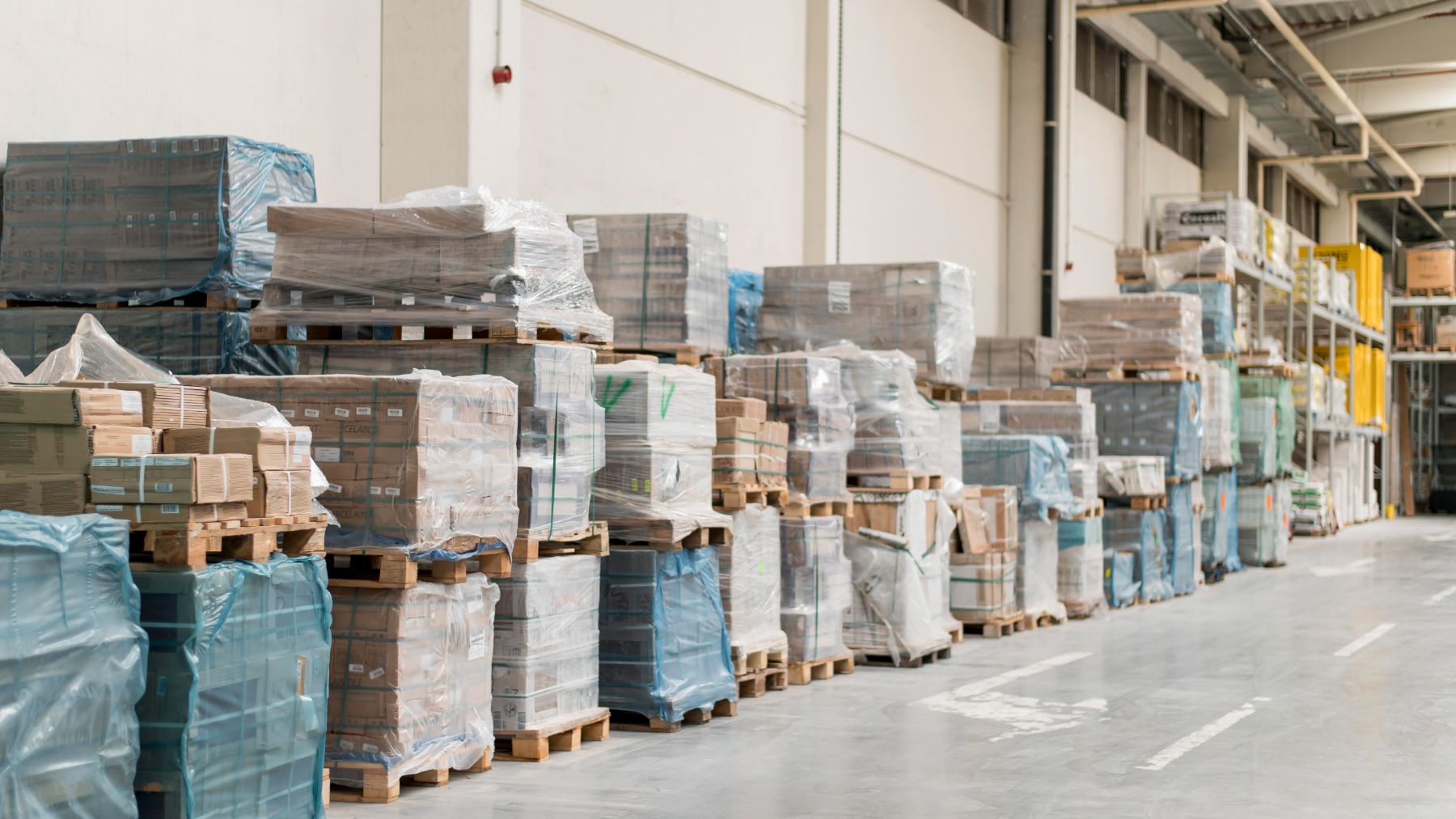

Today, palletization is more than consolidating packages – it’s a cornerstone of international logistics. And for a good reason.
Shipping pallets are simple yet essential equipment for the entire supply chain. Not only do they enable the efficient transportation and handling of goods, but they also standardize and streamline freight handling and logistics operations worldwide.
So, it’s no wonder that palletized freight accounts for approximately 80% of global trade.
Available in various materials and sizes, pallets accommodate various cargo needs – from consolidating shipments to safeguarding the transportation of delicate items that would be prone to damage if they were floor-loaded onto containers.
Floor-Loaded vs. Palletized Shipping: What’s The Best Option?
When choosing between floor loading or palletized freight, it all boils down to the type and amount of goods you’re shipping across borders.
In a nutshell, floor loading is a better Full-Container-Load (LCL) option for bulky or odd-shaped goods that can’t be boxed. It can also be cost-effective when shipping large quantities of durable items, like pipes, logs, or metal coils.
Conversely, palletized cargo significantly facilitates loading, unloading, and handling as it’s stackable, much easier, and safer to carry with forklifts or cranes. That’s why it is often a carrier prerequisite for international Less-Than-Container (LCL) shipping.
More than that, palletised transport is a more economical option for small shipments, fragile items, and/or high-value items, and often speeds up the customs process in international shipping.
At the end of the day, the ultimate goal of shippers, carriers, and consignees is to get the maximum amount of freight to the destination safely in a single shipment. And, in most cases, palletization is the best choice. Let’s see why.
Palletized Freight: Unpacking The Advantages For International Transport
International shippers use a variety of packing options to stack their items on shipping pallets. According to a recent report on palletizing, boxes are the most popular, followed by bags, drums, RPCs (Reusable Plastic Containers), pails, and, lastly, FIBCs (Flexible Intermediate Bulk Containers). There are also other types of packaging used to serve specific cargo needs.
Thanks to this versatility, palletized shipping can serve a wide range of industries, including food and beverage, pharmaceuticals, chemicals, fabricated metals, industrial machinery, plastics, rubber – you name it.
But there are many more benefits to palletised freight:
Handling & Movement Efficiency
Palletized goods speed up loading and unloading throughout transportation touchpoints, be it warehouses, ports, or air cargo terminals.
The use of standard equipment, such as forklifts and pallet jacks, specifically designed to work with pallets, minimizes strenuous manual labor, increases worker safety, and reduces the chances of cargo damage, leading to faster turnaround times for vehicles and vessels.
However, palletization can enhance efficiency as early as the consolidation stage. Indeed, the measurement and weighing of individual packages and palletized goods – typically a laborious, time-consuming manual task – is an ideal target for automation.
Today, rapidly evolving automated palletizing systems, paired with AI and OCR, speed up shipment processing, eliminate human error, and capture detailed shipment information in seconds.
Enhanced Safety & Protection For Cargo & Staff
Palletised transport significantly reduces the risk of damage, loss, or theft during transit. When items are properly stacked and secured on a pallet, they are less likely to shift, get crushed, or even fall off, causing injuries.
Using the right material, like high-quality straps or banding and stretch wrap, not only prevents movement but also helps protect goods from dirt, debris, and moisture. For delicate or fragile cargo, shippers can add additional load protectors, like cardboard coverings and edge boards, for extra safety.
Cost Savings
For international shipments, palletization can lead to significant cost savings. These can come from discounted freight rates charged per pallet instead of per box, reduced handling fees, smaller risk of cargo loss or damage, etc.
In many cases, palletizing optimizes space utilization within ocean containers or aircraft cargo holds, reducing overall transportation costs. And for consignors dealing with smaller shipments, palletization is the best option when booking LCL space.
Improved Space Organization
Pallets help create a more structured environment, whether in a warehouse or within a container. Goods are neatly arranged and can easily get stacked on top of each other, simplifying inventory management and potentially allowing for greater use of vertical space.
Streamlined Inventory Tracking
Palletized goods are easier to track and manage. Each pallet can be assigned an identifier, aiding in stock counts and order fulfillment throughout the international supply chain.
Using automated tracking systems, shippers have complete visibility every step of the way, which reduces guesswork and enables seamless coordination. When shipping with Ship4wd, you get access to your digital freight forwarding dashboard, where you can monitor your shipment in real time!
Environmental Benefits
In recent years, sustainability has become a major concern for anyone involved in the supply chain industry. At the same time, consumers around the world prefer products that depict a lower carbon footprint throughout their life cycle.
So, palletized freight shipping enhances your environmental initiatives first and foremost by helping carriers optimize the use of container space. This approach helps reduce fuel consumption as fewer trips are needed to transport goods.
On top of that, many types of pallets are reusable and recyclable, like those made of wood, with new eco-friendly options constantly emerging.
For example, a special paper-based carton pallet, that’s been recently introduced by SkyTeam air cargo alliance, is made from 94% recycled fibers! They’re reusable, recyclable, and humidity-resistant.
Because they comply with ISPM 15 standards, these paper-based pallets can easily replace wood or plastic. Plus, they don’t need fumigation and weigh much less than today’s standard pallets.
Find the Best Options For Your International Shipment
Ship4wd’s digital freight-forwarding platform helps you browse through thousands of options and book the best quotes in just minutes.
Catering to SMB shipping needs, at Ship4wd we offer a wide array of shipping services, from LCL, FCL, and air freight solutions, to professional pre-shipment inspections and customs clearance services.
And the best part? Our dedicated staff can support you 24/7, ensuring your shipment arrives intact and on time. Sign up and get started today!