



Like every aspect of streamlining business operations, navigating international shipping comes with its challenges. Whether you’re running a mid-sized business, managing logistics, or optimizing your import process, you’re likely to face hurdles along the way. Global trade relies on multiple service providers working together to ensure smooth and efficient shipping. Among them, vessel-operating common carriers (VOCCs), non-vessel-operating common carriers (NVOCCs), and freight forwarders, each play a distinct role.
VOCCs and NVOCCs are key players in ocean freight, but their functions differ significantly. To choose the right solution for your logistics strategy, it is essential to understand their respective responsibilities and service scope. Freight forwarders offer another alternative, taking a different approach to international shipping compared to both VOCCs and NVOCCs.
This guide breaks down the differences between these service providers, explaining how each operates within the shipping industry. By the end, you will have the insights necessary to determine which option best fits your business, helping you streamline operations and improve supply chain efficiency.
What is a VOCC?
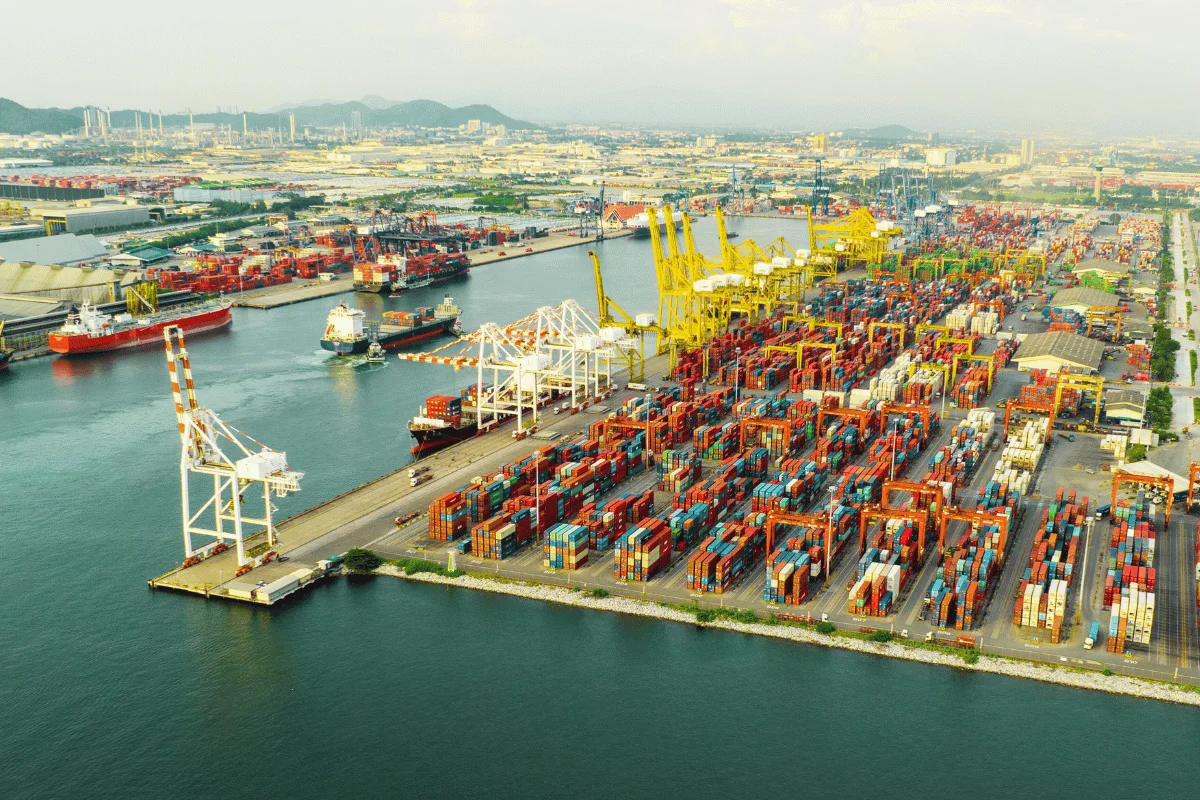
A Vessel Operating Common Carrier (VOCC) is a shipping company that owns and operates ocean-going vessels, overseeing all aspects of maritime transport, from vessel maintenance to cargo logistics. As the direct carrier, a VOCC is responsible for physically transporting goods across international waters, making them a crucial link in the global supply chain.
VOCCs ensure the efficient movement of goods between major ports worldwide. Unlike intermediaries like Non-Vessel Operating Common Carriers (NVOCCs) or freight forwarders, VOCCs own their fleets and control the routes, schedules, and overall operations of their vessels.
Key Characteristics of a VOCC:
- Owns and Operates Vessels: VOCC maintains fleets of container ships, bulk carriers, tankers, and other specialized vessels, overseeing all aspects of operation. VOCC invests in fleet expansion, upgrades, and maintenance to meet global maritime regulations.
- Issues Master Bill of Lading: As the legal carrier of record, a VOCC issues the Master Bill of Lading (MBL), a crucial transport document in international shipping. This document serves as a receipt of cargo for the shipper, confirming that the goods have been received for transport.
- Controls Shipping Routes and Schedules: VOCCs operate on fixed trade lanes with scheduled departures, ensuring predictable and reliable transit times. They manage port connections and transit routes based on global shipping demand, optimizing trade flows across key markets.
- Works with NVOCCs and Freight Forwarders: Beyond working with direct shippers, VOCCs also provide cargo space to logistics providers, including non-vessel operating common carriers (NVOCCs) and freight forwarders.
What is an NVOCC?
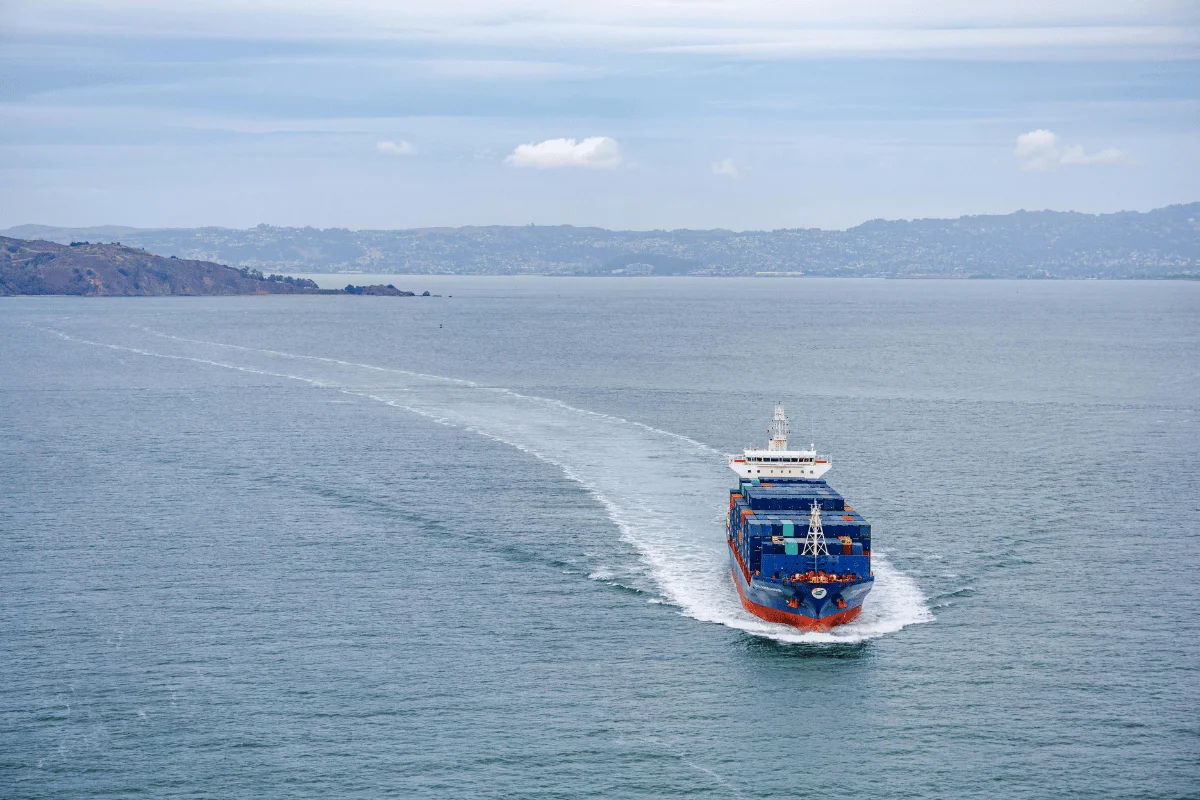
A Non-Vessel Owning Common Carrier (NVOCC) essentially functions as a carrier in international shipping. However, NVOCC does not own or operate the vessels. As such, an NVOCC leases or buys space from vessel-operating common carriers (VOCCs) to transport cargo and then resells that space to shippers. To optimize space and reduce costs, NVOCCs can offer consolidated shipments, which are shipments that are bundled together from several customers into one container. They act as carriers, taking responsibility for the cargo they handle and issuing their own documentation.
Key Characteristics of NVOCCs:
- Bills of Lading Documentation: NVOCCs receive Master Bills of Lading (MBL) from VOCCs and issue House Bills of Lading (HBL) to their customers. This dual documentation system establishes their legal responsibility for the cargo from origin to destination.
- Focus on Ocean Freight: NVOCCs primarily deal with ocean freight and handle both consolidated LCL shipments and FCL shipments. Rates are determined based on business capacity and volume.
- Lease Space from Ocean Carriers: NVOCCs contract for space from VOCCs as they don’t own vessels. They resell this space to customers, allowing them to provide ocean transport services without owning their own vessels.
- Service Scope: While NVOCCs specialize in ocean freight, many offer complementary services such as customs clearance, documentation handling, and cargo consolidation. However, their core competency remains focused on ocean transportation services.
What is a Digital Freight Forwarder?
Digital freight forwarders represent the evolution of traditional freight forwarding, combining industry expertise with modern technology. Like traditional forwarders, they handle the complex logistics of transporting goods, but enhance the process through digital solutions. Instead of functioning as carriers like NVOCCs, they serve as connectors, linking shippers with an extensive network of carriers and service providers.
Freight forwarders typically coordinate various aspects of shipping, which may include securing cargo space, consolidating shipments, conducting pre-shipment inspections, navigating customs procedures, offering insurance coverage, and organizing delivery. Whether managing transport from port to port or directly to its final destination, digital freight forwarders aim to streamline the shipping process through technology-enabled solutions.
Key Characteristics of Digital Freight Forwarders:
- Technology Integration: Digital platforms often provide online booking capabilities, advanced tracking, and smart documentation management. This technological approach aims to increase transparency and efficiency in the shipping process.
- Network Coordination: Freight forwarders connect shippers with their network of carriers and logistics providers. Rather than operating as carriers, they leverage industry relationships to source appropriate shipping options based on cost, speed, and reliability.
- Logistics Services: Services may include air and ocean freight coordination, customs processing, cargo insurance, and pre-shipment inspections. The range of available services varies by provider, allowing shippers to select options that match their specific needs.
- Transportation Management: By coordinating different transportation methods, freight forwarders can facilitate intermodal and multimodal logistics. This enables adaptable solutions across air, sea, and land shipping modes.
- Supply Chain Oversight: Digital freight forwarders can manage multiple stages of the shipping process, coordinating the movement of cargo from origin to destination while providing visibility through digital tools.
NVOCC vs. VOCC vs. Freight Forwarder: Key Differences
When it comes to ocean freight shipping, businesses can work with VOCCs, NVOCCs, and Freight Forwarders. While these entities traditionally had clearly defined roles in the shipping and logistics industry, today’s landscape is more dynamic. Many service providers have expanded beyond their traditional functions, offering overlapping services to meet evolving market demands. For example, some NVOCCs now provide comprehensive logistics solutions similar to freight forwarders, while certain carriers have developed additional services beyond vessel operations.
Here’s a breakdown of their key differences, keeping in mind that actual service offerings may vary significantly between individual providers:
Role in the Shipping Process
- VOCC: Owns and operates vessels that transport cargo. VOCCs are responsible for the physical movement of goods, managing ports, schedules, and container handling.
- NVOCC: Acts as a carrier without owning ships. They lease space from VOCCs, consolidate shipments, issue their own bills of lading (HBL), and manage bookings directly with customers.
- Freight Forwarder: Serve as intermediaries between shippers and carriers, arranging transport via VOCCs and other logistics providers. While they can issue house bills of lading (HBL) to shippers, they do not operate as carriers like NVOCCs.
Services Offered
- VOCC: Provides vessel space, container handling, and port operations. Their services are primarily focused on ocean freight transportation.
- NVOCC: Offers space booking, cargo consolidation, documentation, and in some cases, inland transport. NVOCCs often provide a more tailored experience than VOCCs.
- Freight Forwarder: Manages the entire shipping process, including easy freight booking for air and ocean freight, customs clearance, cargo insurance, consolidated shipping, tracking, smart financing options, and final delivery. They can provide multimodal solutions that combine air, sea, and land transport.
Flexibility and Customization
- VOCC: Operates on fixed routes and schedules, offering limited flexibility in terms of service customization.
- NVOCC: More adaptable than VOCCs, offering customized container arrangements and consolidation options. However, traditionally, their services remain primarily tied to ocean freight and their partnerships with specific carriers.
- Freight Forwarder: Provides the highest level of flexibility for businesses by integrating different carriers, shipping routes, additional added-value services, and multiple transportation modes. They tailor logistics solutions based on client needs, including special handling, door-to-door services, and advanced tracking.
Network and Reach
- VOCC: Limited to its own fleet and port network, meaning its coverage is constrained by its available routes and alliances.
- NVOCC: Works with multiple VOCCs, which allows it to have a broader reach than a single shipping line. However, its network of carriers has traditionally been limited to ocean freight services and specific carriers.
- Freight Forwarder: Offers the widest reach, leveraging a global network of VOCCs, trucking companies, airlines, customs brokers, and other service providers around the globe to provide comprehensive shipping solutions.

Optimize Your Shipping Operations with Ship4wd
If you are an importer, maintaining a strong and agile supply chain is crucial for your success, especially when sourcing goods from multiple locations and suppliers worldwide. To streamline these complex operations, you need a trusted partner who can manage shipping operations while you focus on growing and running your business.
This is where Ship4wd comes in. As your digital freight forwarding partner, we provide comprehensive solutions for all your global shipping needs.
At Ship4wd, we offer a full range of air and ocean freight services designed specifically for mid-sized businesses, entrepreneurs, and importers. Our services include:
- Air and Ocean Freight: We offer air and ocean freight, including Full Container Load (FCL) and Less than Container Load (LCL), designed to meet your shipment’s volume and requirements.
- Global Reach: We work with leading carriers around the globe, allowing us to provide transportation from and to virtually any destination.
- Customs Clearance: Our team manages customs clearance procedures and submits the required documentation on your behalf, minimizing potential delays and additional expenses.
- Cargo Insurance: Secure your shipments with comprehensive cargo insurance coverage designed to protect against potential losses or damage during transit.
- Pre-Shipment Inspections: Verify that quality, packaging, and labeling meet compliance standards and match your requirements.
- Advanced Tracking: Monitor your shipment status online, with full visibility throughout the shipping process.
- Secure Payment Methods: Choose from multiple secure payment solutions, including credit card, wire transfer, and ACH debit options.
- Financing Options: Eligible businesses can benefit from our flexible payment terms, with the option to extend payment up to 90 days post-delivery to optimize cash flow.
Your success is our top priority. Our professional customer support team is available 24/7 by chat, email, and phone to answer your questions, help you follow up on your shipments, and assist you with our digital freight forwarding platform.
With Ship4wd, you can focus on growing your business while we take care of shipping and logistics. Sign up with Ship4wd today for reliable and cost-effective shipping solutions.