

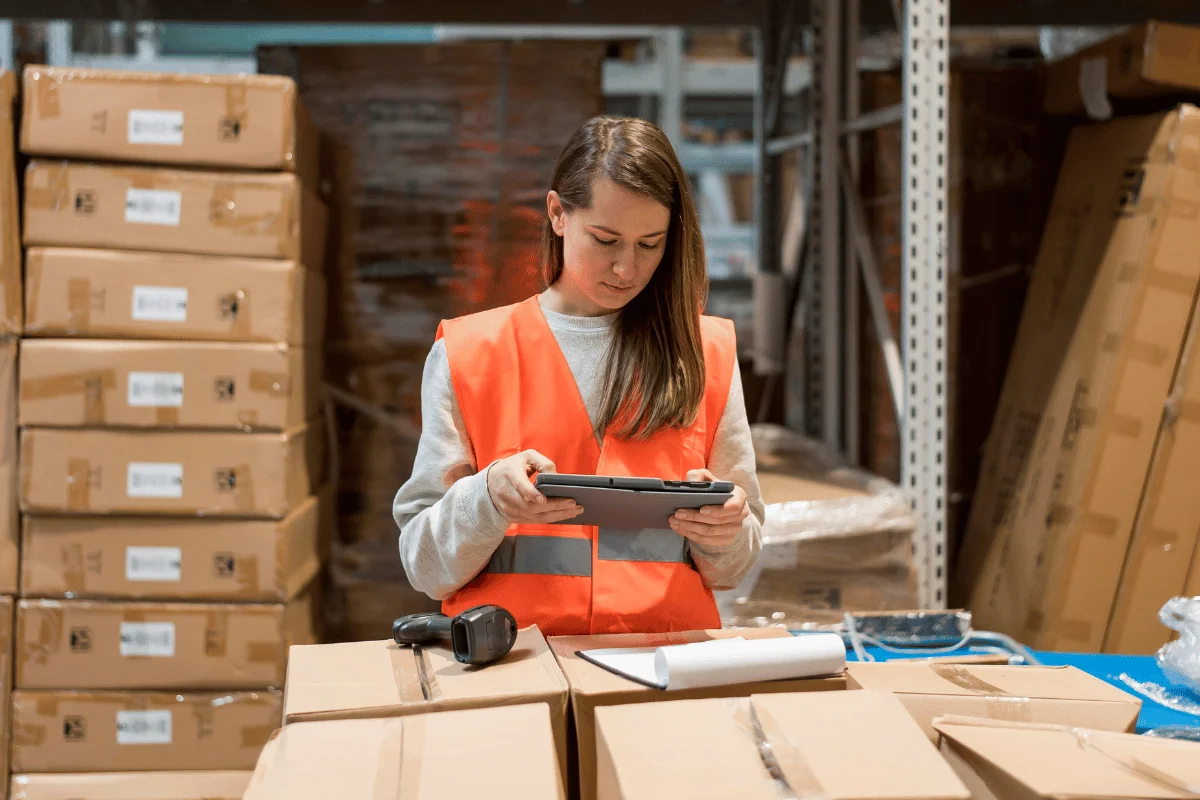

Streamline your supply chain with proven inbound freight strategies that balance cost and quality.
Typically, most discussions about logistics and shipping revolve around outbound processes, overlooking inbound freight and its direct impact on business operations and costs.
However, given that inbound freight costs make up a significant percentage of a business’s average annual freight expenditure, you’ll want to optimize those operations to be more cost-efficient.
In this guide, you’ll learn more about inbound logistics and how you can optimize your shipping efficiency, boost your supply chain, and secure more business success.
To achieve these goals, you must work with the right logistics service provider to streamline your processes.
At Ship4wd, we can help you transport your cargo efficiently, comply with regulations, and leverage technology for cost savings and data-driven decisions.
Create an account with us today to get started with cost-efficient inbound shipping.
What is Inbound Freight?
Inbound freight refers to transporting raw materials or components from a supplier or distributor into a business.
The process can involve sourcing, ordering, purchasing, transporting, receiving, storing, and packaging raw materials at your manufacturing plant or warehouse.
Depending on the nature of your business, inbound freight can also mean the transportation of finished products into your business premises or facilities if you assemble them elsewhere.
You can bring them to your facility for storage before selling or if they are needed for further production.
In some cases, experts use inbound freight to mean just the raw materials or components. Inbound logistics is then used to mean the process of shipping these materials into a business.
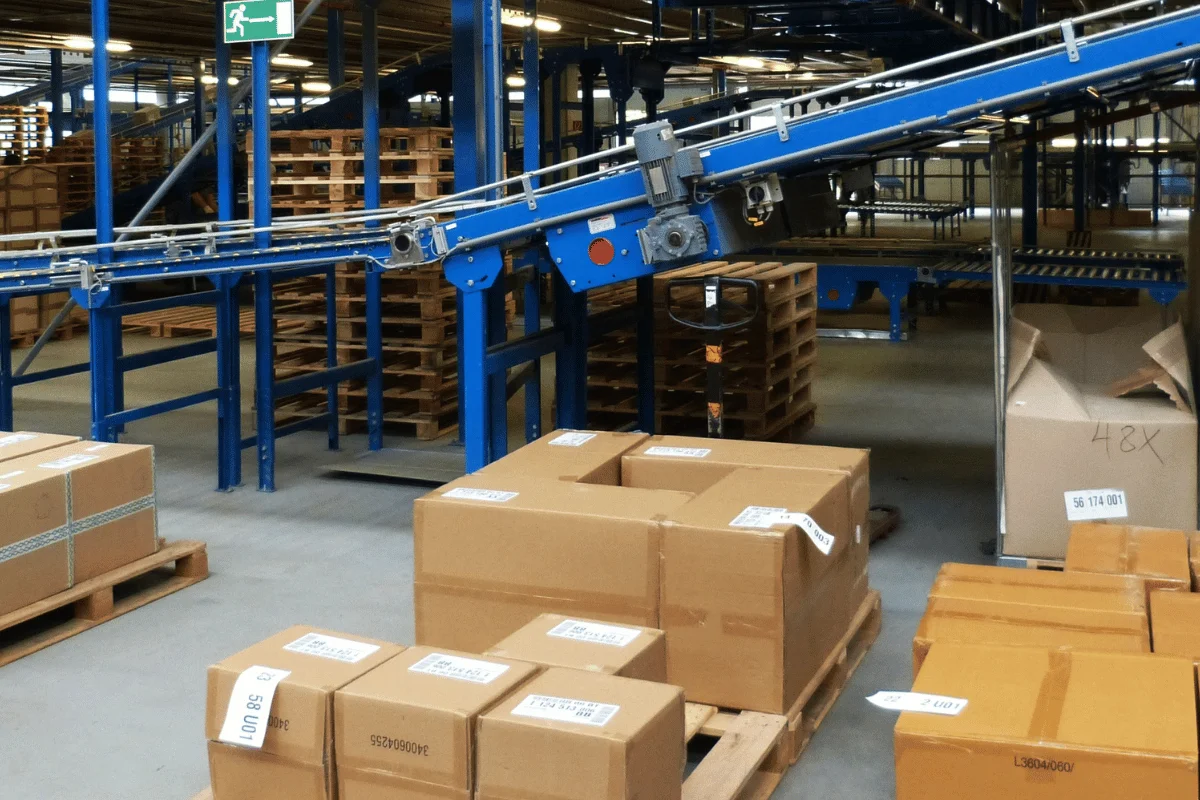
Why Does Inbound Freight Matter for Supply Chain Efficiency?
Inbound freight is crucial as it directly influences production, inventory management, and overall operational costs.
It ensures your supply chain is efficient in several ways:
- Promoting Timely Delivery and Production: With a proper inbound logistics system in place, raw materials and components arrive in time for production. This reduces production delays and ensures smooth workflows across the distribution chain.
- Cost Savings: Inbound logistics allows you to optimize shipping routes, transportation methods, and storage practices to reduce costs. For example, optimizing inventory levels through better inbound freight management lowers storage costs and the risk of goods becoming obsolete.
- Better Customer Satisfaction: A good inbound freight process leads to a positive supply chain experience, even for customers. They receive high-quality goods on time and at friendly prices. The experience can boost satisfaction levels and lead to more repeat sales.
- Enhanced Supplier Collaboration: Collaborative planning and cargo visibility promote true partnerships with suppliers. They become more accountable and dedicated to your success, knowing they also benefit from your repeated purchases.
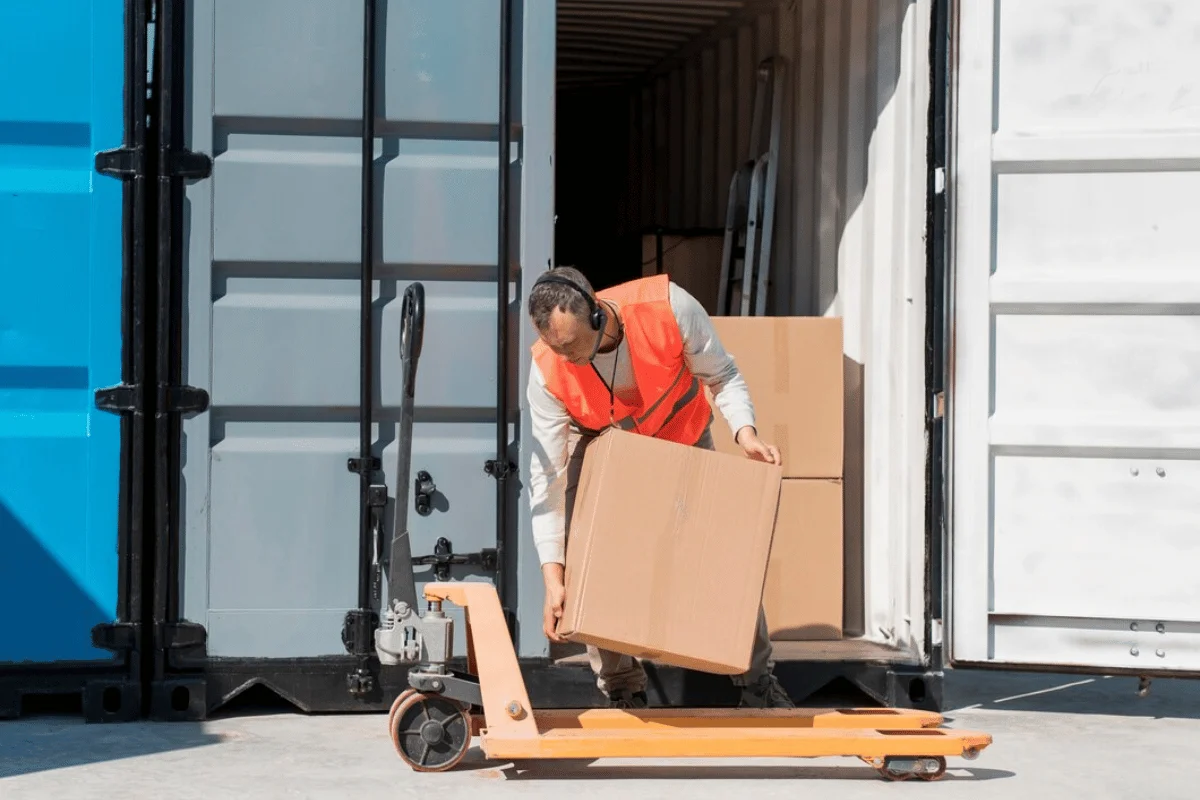
How to Set Up an Effective Inbound Freight Management Strategy
To ensure the inbound process in your logistics system is seamless and efficient, you must dedicate your energy, time, and internal resources to implementing new procedures.
Here are some tips on how to create a working inbound freight management system:
- Analyze Your Business Needs: Determine your unique requirements based on your cargo volumes, shipping frequency, preferred shipping methods, types of products, and supply chain deadlines. Create a list of possible suppliers, including their locations and current relationships.
- Partner with Suppliers on an Action Plan: Determine the most efficient and cost-effective way to ship your freight and build a mutually beneficial plan with your suppliers.
- Consolidate Suppliers and Other Stakeholders: Bring all suppliers and your inbound logistics department together. Reduce the number of suppliers to the most reliable and cost-efficient. Negotiate better rates with them as well as with your carriers.
- Use a Freight Forwarder to Optimize Logistics: Hire a freight forwarder, such as Ship4wd, to optimize routes, ensure compliance, and monitor shipments. We also help with documentation, such as shipment packing lists and air waybills. Besides, we can work in tandem with your suppliers and build relationships with carriers.
- Leverage Technology: You can rely on your freight forwarder’s technology to track cargo, manage payments, and monitor inbound freight charges. Other technologies, like Inventory Management Systems, can help you track and manage your inventory.
- Formulate and Implement a Shipment Consolidation Plan: Your internal logistics department can create a plan to consolidate shipments to reduce transportation and handling costs. Your freight forwarder can also help with consolidating shipments.
- Prioritize Ongoing Monitoring and Evaluation: Leverage analytics and regularly review your freight operations to evaluate their effectiveness. Adjust where necessary.

How to Reduce Inbound Freight Costs Without Compromising Quality
Inbound freight rates and related costs can pile up significantly, affecting your overall freight budget.
You can use various freight cost reduction measures that don’t compromise the quality of the process or that of the final products:
- Optimize Packaging: Reduce package weights and sizes without compromising product integrity and safety. For example, you can use lighter packaging materials or change packaging methods, such as palletization.
- Hire an Inbound Logistics Company: You can outsource your inbound freight operations to a freight forwarder to avoid the higher costs associated with an in-house team. They can help optimize routes, secure strong relationships with carriers, and liaise with your suppliers on your behalf.
- Embrace Freight Accounting and Auditing: Inbound freight accounting helps track your expenses, budget for shipments, and forecast changes in freight costs. Regularly auditing freight payments can help identify overcharges and costly errors, saving you money before mistakes add up.
- Ship During Off-Peak Times: To enjoy lower rates, adjust your shipping schedule to coincide with off-peak seasons and times.
- Embrace Multimodal Shipping: You can combine air freight shipping, sea shipping, trucking, and rail freight as needed. The combination lets you use the best method for each part of the shipment, which can optimize efficiency and cost savings.
- Increase Shipment Lead Times: Allow more time for each shipment so you can enjoy the flexibility of choosing the best shipping methods and carriers. You can lower your costs because flexible delivery deadlines allow you to take advantage of cheaper, non-urgent services.

How to Calculate Inbound Freight Costs as a Percentage of Purchases
For accounting and comparison purposes, you can express your inbound freight costs as a percentage of your business’s overall purchase expenses in three steps:
- Determine the Total Inbound Freight Costs: Add up all the costs of transporting goods into your business over a specific period. Include shipping costs, customs clearance fees, handling charges, cargo insurance, and any other charges.
- Determine the Total Value of Purchases: Calculate the total cost of goods or raw materials and components bought during the period under consideration.
- Calculate the Percentage: Work out the percentage using the formula:
Inbound Freight Cost Percentage = (Total Inbound Freight Costs ÷ Total Volume of Purchases) x 100
For example, your inbound freight costs $15,000, and your total purchases are $120,000. Here’s the result:
Inbound Freight Cost Percentage = ($15,000 ÷ $120,000) x 100 = 12.5%

Choosing the Right Inbound Logistics Company
As mentioned, using the right inbound logistics services can transform your shipping process by lowering your costs and streamlining various procedures.
You must consider the aspects below when choosing your service provider:
- Experience and Knowledge in Your Industry: Look for a company that is well-versed in your industry and one that transports the type of goods you ship often. For example, if you ship hazardous raw materials, ensure that the company has shipping expertise and experience in the field.
- Global Presence and Carrier Relationships: Ensure the company can handle domestic, international, and global logistics. They should have excellent relationships with carriers, which can potentially lead to better rates and carrier attention.
- Range of Services: You don’t need transportation alone. Each shipment requires additional services, such as pre-shipment inspections, cargo tracking, customs clearance, and cargo insurance. The more services you can get under one roof, the better.
- Quality of Customer Service: High-quality customer support should be non-negotiable. Ensure you can always get help from real logistics and shipping experts whenever you have a question or concern regarding a shipment.
- Technology and Its Suitability to Your Needs: Ensure they have modern technology that addresses your pain points. For example, they should have cargo tracking capabilities for real-time shipment visibility, which boosts your peace of mind.
At Ship4wd, we meet these and many other important requirements. Our service range includes air freight, ocean shipping, and road deliveries.
Our technology allows you to use our digital platform to obtain and compare shipping rates, book shipments online, make payments, and track your cargo.
Let us streamline your inbound logistics systems now. Register for free with us today.
Frequently Asked Questions (FAQs)
Here are answers to some questions you may have regarding inbound shipping:
What Are Common Mistakes in Inbound Freight Management?
Most businesses make costly inbound freight management mistakes, such as:
- Improper packaging, leading to high costs.
- Failure to comply with regulations, which leads to fines and penalties.
- Choosing the wrong suppliers and logistics company, leading to cargo shipping delays and financial losses.
- Poor communication between stakeholders, causing delays, monetary losses, and poor customer satisfaction.
- Inaccurate shipping documentation, leading to customs clearance delays.
How Do I Track Inbound Freight More Effectively?
You can rely on your freight forwarder’s technology to track inbound freight more effectively.
At Ship4wd, we provide 100% cargo tracking and visibility throughout the shipping process.
How Can Technology Improve Inbound Freight Operations?
Modern technology can improve inbound freight operations in multiple ways. For instance, cargo tracking promotes visibility, giving all stakeholders peace of mind.
Most freight forwarders provide real-time progress updates as goods move from pickup and consolidation to final delivery.
Technology also allows you to get multiple services under one roof without needing to coordinate with different providers for the same shipment.
With Ship4wd, you get additional services like cargo insurance and pre-shipment inspections, for which you would have had to otherwise seek other providers.
Conclusion
At a time when most businesses still make the mistake of overlooking inbound freight, you can get ahead of the pack by evaluating its impact and formulating strategies to secure a better bottom line.
With the right tactics, you can reduce costs, streamline your inbound supply chain, provide better products, and boost revenues through more sales.
However, these achievements won’t be possible without the right service provider. Ship4wd is your best partner when it comes to managing inbound logistics.
We can help you ship your raw materials or finished products by sea, air, or road to your location. You can leverage our carrier relationships and experience to enjoy friendly rates, guaranteed container space allocation, and the attention you lack from large or traditional freight forwarders.
Join us today to optimize all your logistics processes, including inbound shipping.