


Understand the key differences between HTS and Schedule B codes. Learn how they impact US imports and exports, how they’re used, and their role in compliance.
For importers, entrepreneurs, and logistics managers in the USA, understanding the difference between Harmonized Tariff Schedule (HTS) codes and Schedule B codes is crucial to accomplish successful international trade. These classification systems are imperative in ensuring regulatory compliance, determining duty rates, and facilitating smooth cross-border transactions.
Ensuring correct classification is key to avoiding costly penalties and delays. In this comprehensive guide, you will find all the basic information you need to understand HTS and Schedule B codes. It will provide a technical deep dive into their structure, applications, and compliance requirements. Let’s get started!
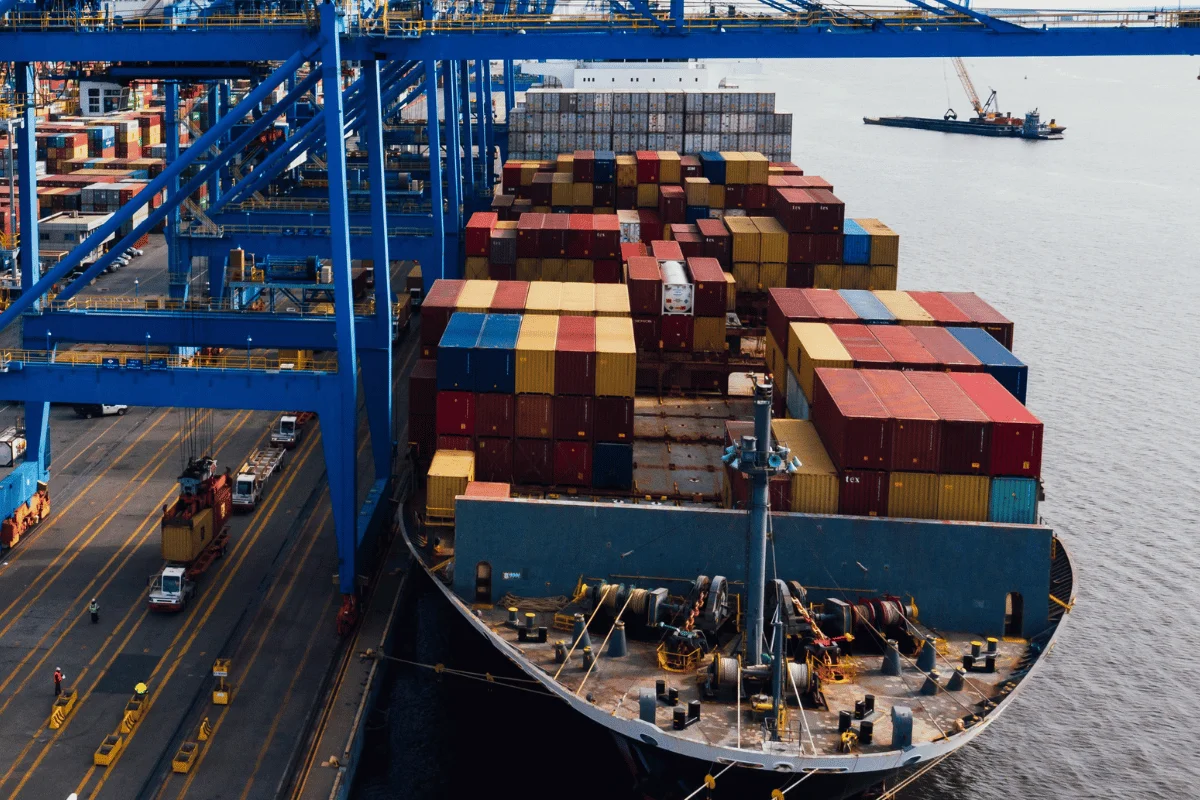
Understanding Harmonized Tariff Schedule (HTS) Codes
For businesses engaged in global trade, correctly classifying goods under the HTS is a fundamental requirement. Let’s break down how HTS codes work and why they matter.
What Are HTS Codes?
HTS codes are ten-digit classification numbers used by the United States for imports. These codes are based on the six-digit HS (Harmonized System) codes but provide additional detail for tariff assessment, regulatory compliance, and statistical tracking.
Unlike HS codes, which are internationally standardized and used by over 200 countries, HTS codes are specific to the United States and maintained by the US International Trade Commission (ITC). These codes determine import duties, taxes, and trade restrictions, making them essential for businesses engaged in international trade.
How HTS Codes Work: Structure and Classification
Understanding the structure and classification principles of the HTS code is integral for businesses in international trade. Here’s a breakdown.
Structure of HTS Codes:
First Six Digits (HS Code): These first digits are typically in line with the Harmonized System (HS Code). They are constructed of three elements:
- Chapter (Digits 1-2): A broad category of the product.
- Heading (Digits 3-4): A more specific category within the chapter.
- Subheading (Digits 5-6): Further refines the product within the heading.
Seventh and Eighth Digits: These digits provide US-specific classifications, often related to tariff rates or regulatory requirements.
Ninth and Tenth Digits: These are statistical suffixes used for detailed tracking and analysis of imports.
Classification Principles:
Accurate classification under the HTS involves a systematic approach:
- Determine the Product’s Composition and Use: Analyze the material, function, and purpose of the item.
- Consult the General Rules of Interpretation (GRIs): These six rules provide a framework for classification, guiding users through aspects like incomplete goods, mixtures, and packaging.
- Navigate the HTS Hierarchy: Identify your product’s broad category and specific chapter, then systematically refine your classification using headings and subheadings to secure the most accurate match.
- Apply Relevant Section and Chapter Notes: These notes offer essential guidance and can affect classification decisions.
Examples of HTS Codes
Here are some examples of HTS codes, how they are structured, and how they appear on the official directory:
- Toys (HTS Code 9503.00.00.11): This category covers a wide range of toys for children under the age of 3, including dolls, action figures, and stuffed animals.
- Footwear with Outer Soles of Rubber or Plastics (HTS Code 6403.99.9065): This code applies to footwear with outer soles of rubber or plastics and uppers of leather, not covering the ankle, valued over $2.50 per pair. Classification considers materials and design specifics.
- Backpacks (HTS Code 4202.92.3120): This code covers backpacks with an outer surface of man-made textile materials. It applies to backpacks designed for carrying personal items, such as those used for school or travel, while other bag styles may be classified under different headings.
- Wooden Dining Tables (HTS Code 9403.40.90.40): Covers tables made primarily of wood and intended for dining/kitchen use, distinguishing them from other furniture subheadings.
- Lithium-Ion Batteries (HTS Code 8507.60.0020): Typically covers lithium-ion batteries not used as the primary power source in electric vehicles. This code applies to the batteries found in consumer electronics, power tools, and industrial equipment, classified primarily by their lithium-ion composition.
HTS Codes: Impact on Import Duties and Taxes
The correct HTS code plays a critical role in determining import duties, taxes, and compliance requirements. Several key factors influence how duties are calculated:
- Product Classification: Each category of goods is assigned a duty rate based on its classification. Items like footwear, textiles, and electronics often have different tariff rates depending on material composition and intended use.
- Country of Origin: Goods originating from countries with Free Trade Agreements (FTAs) may qualify for preferential duty rates or full exemptions. For example, products imported from Mexico or Canada under USMCA may benefit from lower or zero duties.
- Special Trade Programs: Certain goods qualify for reduced tariffs or duty-free treatment under programs like the Generalized System of Preferences (GSP) or the African Growth and Opportunity Act (AGOA). Eligibility depends on product classification and the country of export.
What Happens If Products Aren’t Classified Correctly?
Misclassifying products under the HTS system can lead to financial penalties, shipment delays, and compliance risks. Errors – whether accidental or intentional – may result in:
- Customs Penalties: CBP can impose fines for incorrect classifications, especially in cases of misrepresentation.
- Shipment Delays: Incorrect HTS codes may trigger customs inspections, entry rejections, or documentation requests, slowing clearance.
- Additional Duties: Underpaid duties require post-entry corrections (PSC) and back payments.
- Audits: Frequent errors can lead to CBP investigations, stricter scrutiny, and legal action.
What is CROSS?
The Customs Rulings Online Search System (CROSS) maintained by US Customs and Border Protection, allows importers to research past HTS classifications. By entering keywords or product descriptions, users can access rulings that provide insights into CBP’s classification process, helping ensure compliance, prevent misclassification, and streamline customs clearance.

Schedule B Export Codes: A Brief Overview
Schedule B codes are essential for US exports, ensuring compliance with Census Bureau regulations and facilitating trade tracking and statistical reporting.
Using the correct Schedule B commodity code, Schedule B harmonized code, or Schedule B harmonized tariff code helps exporters streamline shipments and prevent delays.
What Are Schedule B Codes?
Schedule B codes are 10-digit classification numbers used for US exports, based on six-digit HS codes with added detail for reporting, compliance, and trade statistics. Unlike internationally standardized HS codes, Schedule B codes are US-specific, and maintained by the US Census Bureau. Essential for exporters, they determine AES reporting requirements, support trade data collection, and ensure compliance with export regulations.
How Schedule B Codes Work: Structure and Classification
Understanding the structure and classification principles of Schedule B codes is crucial for businesses involved in export and international trade. Here’s an essential breakdown:
Structure of Schedule B Codes:
First Six Digits (HS Code): These digits align with the internationally recognized Harmonized System (HS) Code and consist of three key elements:
- “Chapter”: Represents a broad category of products.
- “Heading”: Specifies a category within that chapter.
- “Subheading”: Further refines the product classification within the heading.
Seventh and Eighth Digits: These provide US-specific classifications tailored to export requirements and regulatory guidelines.
Ninth and Tenth Digits: These serve as statistical suffixes used for tracking and analysis of US exports.
Since Schedule B codes are designed specifically for export reporting, they differ from HTS codes, which are used to assess import duties. Using the correct Schedule B code is essential for ensuring compliance with US export regulations and avoiding potential penalties.
Examples of Schedule B Codes
- Toys (Schedule B Code: 9503.00.0000): This code encompasses a wide range of toys, including tricycles, scooters, pedal cars, dolls, and puzzles. It covers various wheeled toys and reduced-scale models, whether working or not.
- Golf Bags (Schedule B Code 4202.91.0010): Specifically applies to golf bags with an outer surface of leather or composition leather, designed for carrying clubs on the course.
When and How to Use Schedule B Codes
Schedule B codes are required for Electronic Export Information (EEI) filing in the Automated Export System (AES). These codes can be easily found in the directory.
Whether you’re shipping consumer goods, industrial equipment, or hazardous materials, the Schedule B code search tool ensures your exports are properly categorized. Using the correct Schedule B code search prevents shipment delays, avoids penalties, and helps businesses comply with US Census Bureau regulations.

Schedule B vs. HTS Codes: Key Differences for US Businesses
Now that we’ve defined both types of codes, let’s take a closer look at them, and see how they compare with one another:
Primary Uses and Applications
HTS and Schedule B codes serve different roles in US trade. HTS codes are required for imports into the US, while Schedule B codes apply to exports.
- HTS codes are primarily used to determine tariff rates and ensure compliance with US import regulations.
- Schedule B codes are used for export reporting, required by the US Census Bureau to track trade data.
Why Are HTS and Schedule B Codes Different?
While both classification systems originate from the HS framework, their differences stem from their intended purpose:
- HTS codes help US CBP determine duties, tariffs, and import restrictions.
- Schedule B codes allow the US Census Bureau to monitor export data for trade statistics and compliance.
Code Structure and Classification Differences
Both HTS and Schedule B codes typically share the first six digits. However, the way they expand beyond that differs, reflecting their distinct purposes.
- HTS codes extend the HS classification with four additional digits, creating a 10-digit code used to determine import duties and regulations. These codes are administered by the US ITC and are essential for customs clearance and tariff calculations.
- Schedule B codes also extend with four additional digits, but their purpose is export data reporting.
Regulatory Requirements and Compliance
Both HTS and Schedule B codes play a crucial role in regulatory compliance, but they apply to different stages of the trade process.
- HTS codes are mandatory for customs clearance and duty calculation when importing goods into the United States. These codes ensure that tariffs, trade regulations, and import restrictions are correctly applied, helping businesses comply with US CBP requirements.
- Schedule B codes are required for export reporting and must be included in the EEI filing through the AES.
By understanding the differences and applications of HTS and Schedule B codes, businesses can enhance compliance, reduce trade risks, and streamline cross-border operations.

Streamline Your International Shipping with Ship4wd
International shipping involves challenges like customs clearance, booking shipments, and coordinating logistics. With the right partner, these obstacles become manageable. At Ship4wd, we simplify your global shipping experience, ensuring a seamless journey from supplier to final destination.
Leveraging our extensive logistics network and industry knowledge, we manage shipments from various global locations to destinations in the United States, Canada, and other countries.
Our services include:
- Air and Ocean Freight: Select from air or ocean freight services, including Full Container Load (FCL) and Less than Container Load (LCL) options, tailored to your shipment’s size and schedule.
- Global Reach: We partner with leading carriers to guarantee reliable service to virtually any location worldwide.
- Customs Clearance: We manage customs clearance and submit the required paperwork, minimizing the chance of delays and additional expenses.
- Cargo Insurance: Secure your shipments with our cargo insurance, protecting your shipment in case of loss or damage.
- Pre-Shipment Inspections: Verify that quality, packaging, and labeling adhere to compliance standards and match your specifications.
- Advanced Tracking: Monitor your shipment anytime, offering peace of mind throughout the shipping journey.
- Secure Payment Methods: Choose from various secure payment methods, including credit card, wire transfer, and ACH debit.
- Financing Options: Eligible businesses can take advantage of our flexible financing options, up to 90 days after shipment to help optimize cash flow.
In order to ensure your success, we provide a 24/7 customer support team via chat, email, and phone. You can rely on our team to answer your questions, assist with shipment tracking, and guide you through our intuitive digital platform.
With Ship4wd, you can concentrate on growing your business while we manage the complexities of international shipping. Register with Ship4wd now for reliable and efficient shipping solutions.