



Freight broker or forwarder—learn the key differences to choose the perfect partner for your shipping needs.
Navigating the world of shipping can be a complex endeavor, with various factors to consider and numerous challenges to overcome. Whether you’re managing a growing inventory, coordinating multiple shipments, or seeking to optimize your logistics strategy, the question of how best to handle your shipping tasks becomes critical. This is where the choice between a Freight Broker and a Freight Forwarder comes into play.
Understanding the distinctions between these two entities is vital for making an informed decision that aligns with your logistical goals. A Freight Broker typically acts as an intermediary, helping to connect shippers with carriers. In contrast, a Freight Forwarder offers a broader scope of services, often overseeing the entire logistics process from start to finish.
In this article, we’ll explore the intricacies of Freight Brokers vs. Freight Forwarders, illuminating their unique roles within the global shipping landscape. We will delve into their specific functions, the benefits they offer, and any potential drawbacks you might encounter. By the end of this post, you’ll have a clearer picture of which option best suits your needs, empowering you to make a choice that enhances your overall logistics strategy and contributes to the smooth flow of your operations. Let’s dive in!

TL;DR – Freight Forwarder vs. Broker
Here’s a quick side-by-side freight forwarder vs. freight broker overview:
| Freight Forwarder | Freight Broker |
| An intermediary that connects shippers with carriers, offering more end-to-end services and interacting with cargo physically. | An intermediary that connects shippers with carriers but doesn’t interact with cargo physically. |
| Pros | Pros |
|
|
| Cons | Cons |
|
|
| Best For | Best For |
| Ideal for shippers looking for an end-to-end shipping solution that includes direct cargo handling, door-to-door delivery, cargo insurance, customs clearance, and many more | Ideal for shippers looking for an intermediary who doesn’t physically handle cargo but focuses more on optimizing the actual transportation |
Choosing between freight forwarders and brokers doesn’t have to be complicated. While a broker helps you optimize transportation, a forwarder provides more comprehensive services for the entire supply chain.
If you’re looking for an all-in-one forwarding solution, Ship4wd is your best option for digital freight forwarding. We provide end-to-end shipping solutions, from pre-shipment inspections to door-to-door delivery. We also ensure you get container space at competitive prices even if your cargo volume is low.
Register an account with Ship4wd today to streamline your entire shipping process.
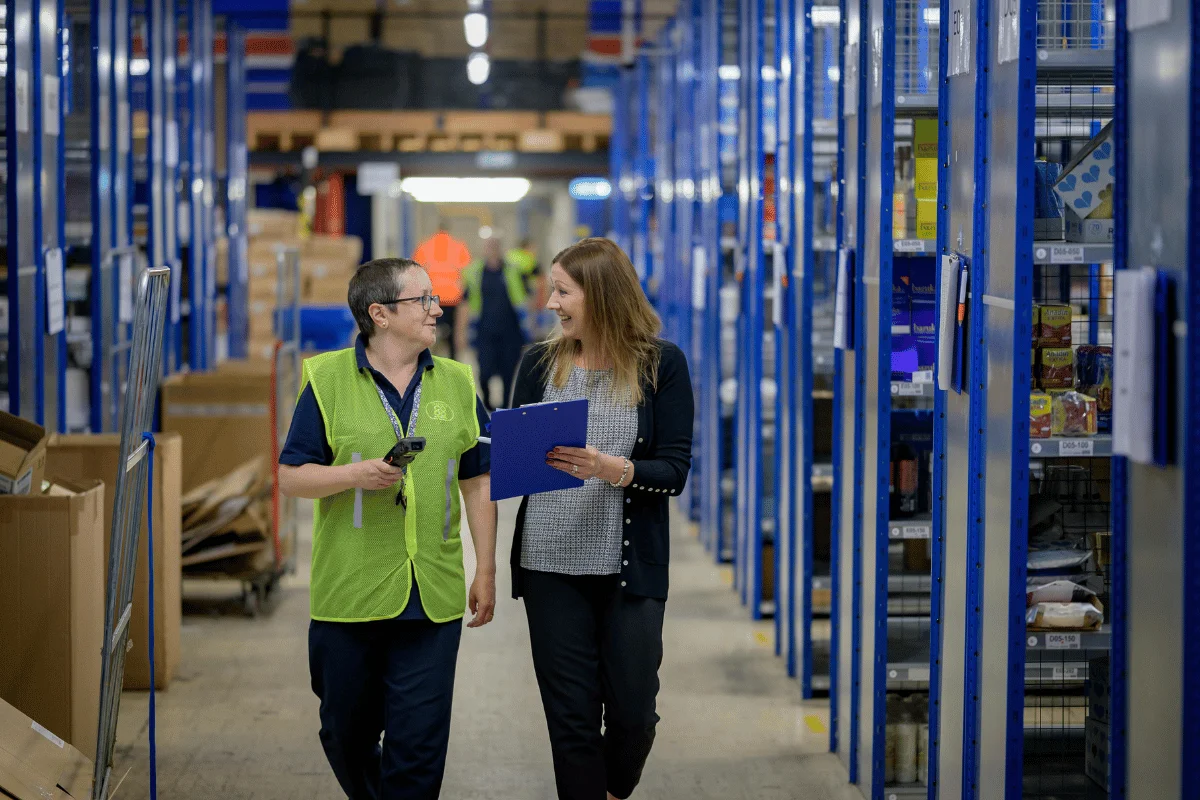
What is a Freight Broker?
A freight broker plays a vital role in logistics, acting as the middleman between shippers and carriers. They help find reliable transportation, negotiate rates, and help ensure goods are delivered on time.
Unlike freight forwarders, brokers don’t take possession of the goods and typically do not offer extra services like customs clearance or cargo handling.
Key Responsibilities and Functions of a Freight Broker
The main role of a freight broker is to simplify communication and coordination between shippers and carriers. Here’s a quick look at what they do:
- Building Relationships with Shippers and Carriers
- Securing Rate Agreements
- Organizing Shipping Schedules and Routes
- Monitoring Shipments
- Ensuring Adherence to Shipping Regulations
- Managing Documentation
- Offering Customer Support
- Overseeing Financial Transactions

Cost Structure of Freight Brokers
The cost of freight brokerage services varies from one broker to another, depending on their experience and relationships with business partners.
You can expect the following components in the cost:
- Brokerage fee, which is usually the difference between what they charge you and what they pay the carrier.
- Freight cost or carrier cost, depending on the carrier, the type of goods, season, distance, weight, and transport mode.
Before signing the agreement, you’ll want to discuss all applicable charges with your broker to avoid unexpected costs.
Ideal Use Cases for Freight Brokers
Here’s when you can choose a freight broker over a forwarding company:
- When you ship via a less risky route, and risk management falls more squarely on the carrier.
- When you are looking for a speedy, short-term connection with a carrier and time-sensitive delivery for a specific shipment.
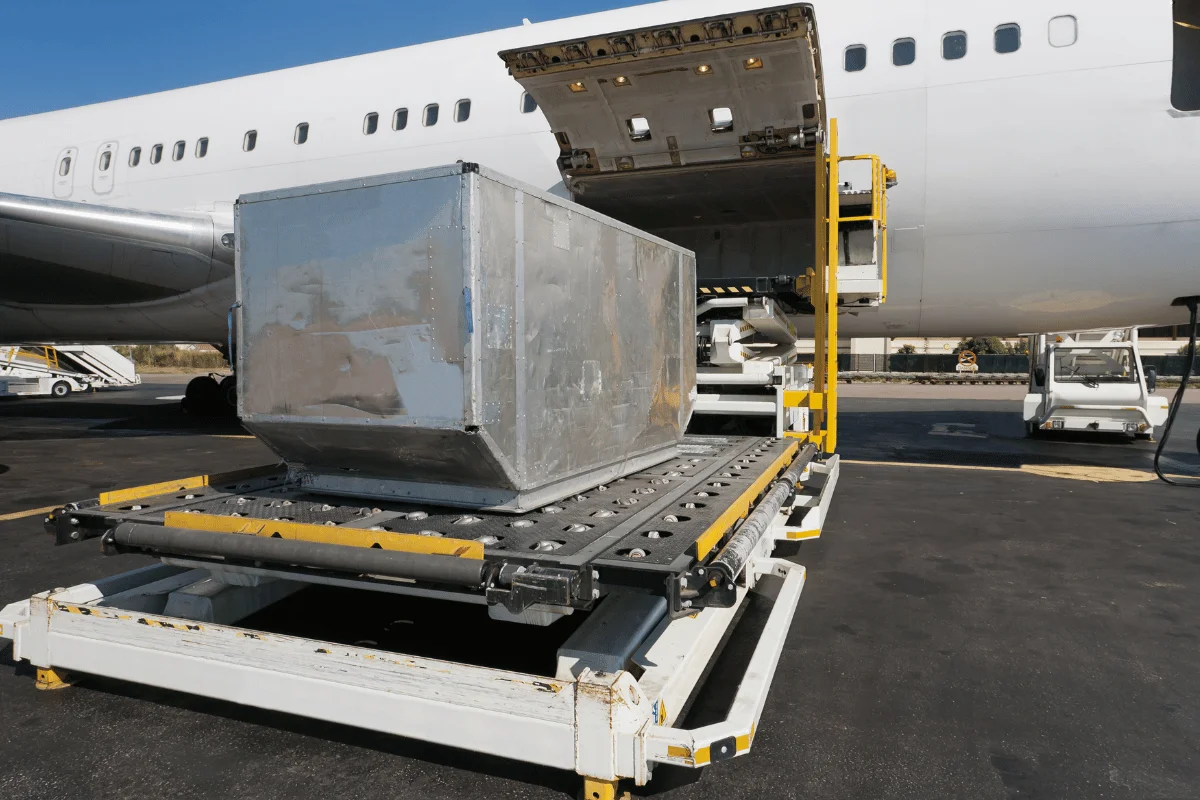
What is a Freight Forwarder?
A freight forwarder plays a crucial role in global shipping, acting as a bridge between shippers and various transportation services like ocean freight and air freight. Their main job is to negotiate the best rates and most efficient routes for moving goods, using their extensive network of carriers. Beyond that, they manage all the logistics, including consolidating goods, securing cargo insurance, handling customs, and submitting necessary documentation. Essentially, freight forwarders simplify and streamline the entire shipping process, ensuring smooth and timely delivery from start to finish.
What is a Digital Freight Forwarder?
A digital freight forwarder is a logistics provider that uses technology to streamline the shipping process. Through online platforms, they may offer features like advanced tracking, automated documentation, and instant quotes.
By digitizing traditional freight forwarding services, they make managing international shipments more efficient, transparent, and accessible, allowing businesses to navigate logistics with ease and flexibility.
Key Responsibilities and Functions of a Freight Forwarder
A freight forwarder does much more than just handle shipping. They orchestrate the entire process, from coordinating with suppliers and carriers to taking care of customs clearance. They can also offer extra services like financing options and pre-shipment inspections. Acting as the key link between shippers, carriers, and customs, they make sure everything runs smoothly and all rules are followed. Some of their key activities:
- Negotiating Contracts with Carriers: Freight forwarders work with multiple carriers to secure reliable and cost-effective transportation for their clients’ goods. By leveraging their strong relationships and high shipment volumes, they can negotiate more favorable terms.
- Providing Customer Service and Consultation: Freight forwarders like Ship4wd offer comprehensive customer support. Their expertise helps clients navigate the complexities of international shipping with ease.
- Arranging the Best Mode of Transport: Depending on the type of goods and the destination, freight forwarders choose the most efficient mode of transport, typically by sea or air for international shipments. In some cases, a combination of both might be used, along with intermodal or multimodal solutions.
- Coordinating Transportation: Freight forwarders coordinate the entire transportation process, making sure goods are picked up and delivered on schedule. They also handle any challenges that may come up during transit.
- Submitting Documentation and Customs Clearance: Freight forwarders submit the necessary documentation for international shipping, including customs documentation and bills of lading.
- Providing Insurance and Managing Risk: Freight forwarders can arrange cargo insurance and manage risks for their clients, ensuring that goods are protected against damage or loss during transit.
Cost Structure of Freight Forwarders
Like freight brokerage costs, freight forwarding costs also vary. Some key pricing components include:
- Base services fees, which can include booking fees and tracking fees, among others.
- Cargo-related costs, such as x-ray fees and weight or volume charges.
- Destination costs, such as customs clearance fees, terminal handling fees, and inland transport fees.
Ideal Use Cases for Freight Forwarders
You can use a freight forwarder over a broker if:
- You are seeking an end-to-end shipping solution with more service offerings, especially direct cargo handling.
- Your shipping routes are usually more risky, and you need a partner who can mitigate risks better and resolve problems proactively.
- You are looking for a long-term shipping partner who can even provide credit options.
- You are looking for worldwide shipping services covering top global shipping routes rather than just domestic or regional solutions.
Similarities and Differences
Since they operate in the same industry, it’s easy to confuse freight brokers and forwarders. In some cases, the two are even used interchangeably despite being different.
Let’s see how they compare:
Freight Forwarder and Freight Broker Similarities
Freight forwarders and freight brokers share some critical similarities:
Intermediary Role
Both forwarders and brokers act as intermediaries between carriers and shippers. They negotiate better rates for shippers, facilitate transportation, manage documentation, and book freight.
Expertise and Network Leverage
Freight forwarders and brokers rely on industry knowledge, experience, and networks to optimize various aspects of the supply chain for their clients.
Direct Client Interaction
Both brokers and forwarders usually interact directly with shippers, especially regarding real-time cargo tracking updates and 24/7 customer support.

Key Differences – Freight Forwarder vs. Freight Broker
The choice between a freight forwarder and a broker often depends on your business’s specific needs. Both play vital roles in logistics, but their responsibilities and influence over the shipping process are quite different.
Freight forwarders bring extensive expertise in the shipping process, including customs paperwork and regulations. This knowledge can help businesses navigate the complexities of international shipping, saving valuable time and effort. Here are the key differences between freight forwarders and brokers:
Level of Involvement
Freight forwarders manage the entire shipping process, from door-to-door delivery to handling cargo, documentation, customs clearance, cargo insurance, and more. In contrast, freight brokers primarily connect shippers and carriers, negotiate rates, and coordinate transportation, but they don’t physically handle the cargo.
Control over Shipments
Freight forwarders maintain more control over shipments due to their hands-on approach. They can intervene directly if any issues arise during transit, like rerouting shipments when necessary. On the other hand, freight brokers have less direct control since they don’t manage the goods themselves.
Scope of Service
Freight forwarders offer a comprehensive range of services beyond what is offered by most brokers. While both facilitate transportation, freight forwarders take a more active role, handling the intricacies of international shipping, including customs documentation, import/export regulations, and cargo insurance.
Insurance and Risk Management
Freight forwarders often provide additional services that focus on risk management, including pre-shipment inspections, tracking, and comprehensive cargo insurance to safeguard businesses from potential damage or loss of goods. While freight brokers may offer tracking services, they typically do not provide the full spectrum of operational support that freight forwarders do, such as cargo insurance or direct involvement in the entire shipping process.

How to Choose the Right Shipping Partner
When it comes to shipping, freight forwarders offer a comprehensive solution that covers every aspect of the process.
For instance, a U.S. company importing furniture from Vietnam might find a freight broker to help locate a carrier. However, the company would still need to handle customs clearance and documentation on its own.
In contrast, a freight forwarder manages not just transportation but also all complexities of international shipping, including customs paperwork, cargo insurance, and shipment consolidation. They can swiftly tackle unexpected issues during transit, like delays or damages.
This all-in-one service saves businesses valuable time and effort, enabling a focus on core operations. With their hands-on approach, freight forwarders provide peace of mind, making them the preferred choice for streamlined logistics.

How Ship4wd Transforms Your Freight Forwarding Experience
At Ship4wd, we are your ultimate partner in logistics and freight transportation. Our digital freight forwarding platform is packed with features that make your shipping process effortless:
- Flexible Shipping Options: We offer a wide variety of air and ocean freight shipping options (including FCL and LCL), which can also be combined with door-to-door delivery tailored to your business requirements.
- 24/7 Customer Service: We prioritize clear communication and provide a dedicated team of customer support professionals available around the clock to assist you.
- Efficiency and Ease of Use: Our smart digital platform allows you to effortlessly oversee and track your goods from start to finish during the shipping process.
- Guaranteed Ocean Container Allocation: With Ship4wd, you can secure ocean container allocation without the worry of losing out to larger competitors.
- Flexible Payment Terms: We provide a ‘Ship Now, Pay Later’ option for eligible businesses, allowing you to manage cash flow with up to 90 days to pay after your cargo arrives.
- Advanced Tracking: Enjoy peace of mind with our end-to-end advanced tracking system, allowing you to check the status of your shipments anytime.
- Global Reach: Our extensive network spans 500 nodes worldwide, partnering with top carriers and service providers to ensure your goods can travel almost anywhere.
- Award-Winning Service: We are proud recipients of two awards in international logistics, showcasing our commitment to exceptional service.
By partnering with us, you gain more than just a logistics solution; you gain a reliable partner dedicated to moving your cargo and business forward. Register with Ship4wd and discover how our platform can support your growth!

The Bottom Line – Freight Broker vs. Freight Forwarder
It’s now easier to choose between a freight broker and a freight forwarder.
If you want to focus more on the actual transportation part of the shipping process, you’ll want to work with a broker.
If you are looking for a more holistic solution that involves more aspects of the process, choose a freight forwarder.
Ship4wd is the ideal partner for all your shipping needs:
- We can accommodate your business, even if your shipping volume is low.
- We also allow you to choose the level of involvement and partnership you want. If you want full support where someone holds your hand throughout the shipping process, we are here for you.
- If you want full autonomy where you do everything online, you can do that with our digital platform.
Sign up for Ship4wd today to start managing your shipments effectively.

Frequently Asked Questions (FAQs)
Let’s end today’s discussion with a few common questions about working with freight forwarders vs. brokers:
Do Freight Forwarders Handle Packing and Labeling?
Some freight forwarders help their customers with packing and labeling. It’s best to confirm with your provider if they offer these services before you finalize the agreement.
Are Freight Brokers and Forwarders Subject to the Same Regulations?
The two service providers are generally subject to the same FMCSA regulations. For example, the FMCSA’s financial responsibility for freight forwarders and brokers proposes suspending their authority if the provider’s financial security falls below $75,000.
However, freight forwarders usually have stricter rules because they have more responsibility and potential liability. For example, they have to provide comprehensive cargo insurance.
They also need an International Air Transport Association number for air freight forwarding and a Federal Maritime Commission license for ocean freight forwarding.
Are Freight Brokers Liable for Damaged Goods?
Freight brokers aren’t generally liable for damaged goods because they don’t handle them directly or physically.
However, they can be held liable if they explicitly accepted liability in their contract with you. They can also be liable if they were the carrier or chose the carrier negligently.