


Canada’s freight forwarding industry is evolving — learn how to choose the right partner and stay ahead in global shipping.
Looking for the best freight forwarder in Canada to strengthen your supply chain and streamline your SMB operations? Look no further.
In this post, we’ll discuss how you can choose the best freight forwarder, the type of services to expect, and how to overcome common shipping challenges. We’ll also discover the best freight forwarder Canada has to offer.
Quick Overview (TL;DR) – All About Freight Forwarders in Canada
What freight forwarders do in Canada
They manage the entire logistics chain, from booking cargo space to arranging customs clearance and coordinating delivery across provinces. This includes handling documentation, duties, and tariffs so businesses can focus on growth.
Shipping options available
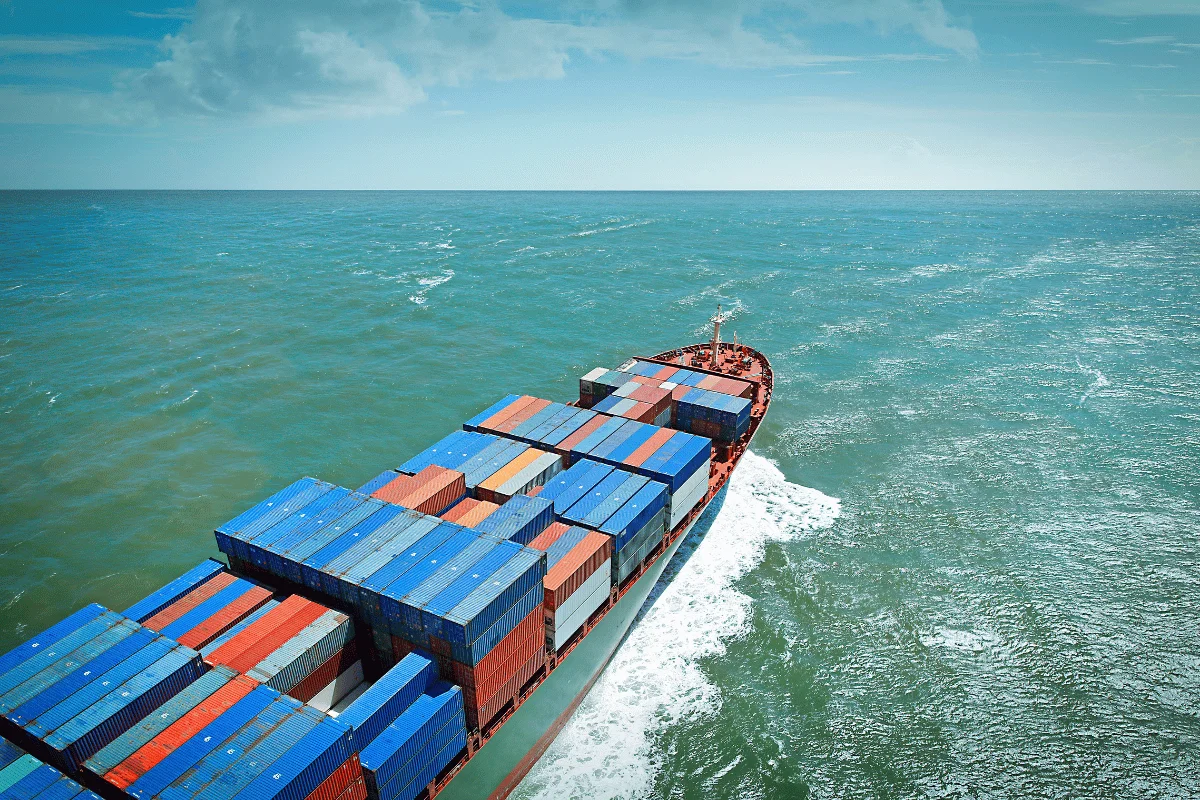
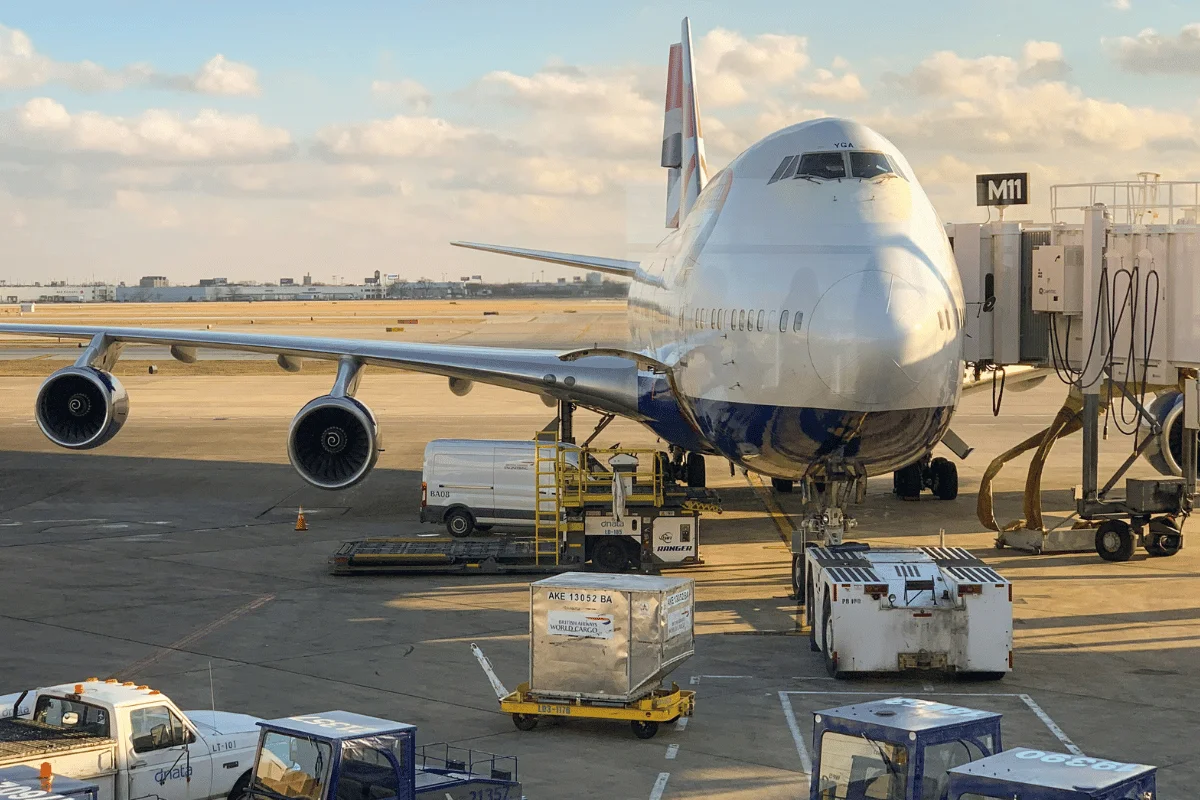
Canada-bound imports rely on ocean freight (FCL/LCL) through major ports like Vancouver, Prince Rupert, Montreal, and Halifax, or air freight via hubs such as Toronto and Vancouver. The choice depends on cost, urgency, and shipment size.
Customs and compliance support
Freight forwarders ensure smooth passage through Canadian customs by preparing correct documentation, classifying goods under the proper HS codes, and ensuring duties/taxes are paid on time.
Why SMBs benefit
For small and medium-sized businesses, partnering with a Canadian freight forwarder reduces risk of delays, avoids costly compliance mistakes, and ensures reliable delivery.
How Ship4wd helps
With a fully digital platform, guaranteed space and transparent rates, supported by top global carriers like ZIM, and 24/7 human support, Ship4wd simplifies imports into Canada. Businesses can compare quotes, track shipments in real time, and rely on expert full customs clearance services.
What CIFFA Means for Canadian Freight Forwarding
The Canadian International Freight Forwarders Association (CIFFA) works to ensure the adoption and adherence to industry best practices by Canada’s freight forwarders and other logistics operators.
Also, as a professional body, it helps to standardize operational procedures among Canadian freight forwarding companies, whilst ensuring the enforcement of established industry regulations.
Apart from those mentioned above, other key functions of CIFFA include:
- Establishing professional standards: The organization sets out guidelines encouraging professional codes of conduct and standard trading practices. This serves as a deterrent for bad behavior and promotes fairness in freight forwarders’ dealings with SMB importers.
- Providing professional development opportunities: CIFFA offers freight forwarders the chance to advance their skills and enhance their expertise. Their courses allow forwarders to receive professional designations, such as the Professional Freight Forwarder (PFF), enhancing their credibility.
SMB shippers can benefit from member freight forwarders’ up-to-date knowledge, as it can help them carry out their tasks more efficiently. Also, errant freight forwarders with CIFFA certifications may have their membership suspended if SMBs report their malfeasance to the organization.
- Helping navigate international trade: CIFFA provides resources and guidance that allow Canadian freight forwarders to navigate complex international trade processes and ensure regulatory compliance. With these resources, freight forwarders can help SMB shippers get through difficult shipping hurdles when necessary.
In essence, CIFFA is a vital part of the Canadian freight forwarding community, providing valuable guidance, support, regulations, best practices, and compliance.
It also provides an avenue for dissatisfied SMB importers or shippers to file complaints against erring CIFFA members.
What Documents Do Freight Forwarders in Canada Require?
Importers and exporters who intend to ship their freight into and out of Canada will likely need to provide the following customs clearance documents to their freight forwarders:
- Packing List (PL)
- Bill of Lading (BOL)
- Certificate of Origin (COO)
- Commercial Invoice (CI)
- Canada Customs Invoice (CCI)
- Shipper’s Letter of Instruction (SLI)
- Insurance Certificate (IC)
- Booking Confirmation
- Power of Attorney
Your particular circumstances will likely determine the exact documents that the freight forwarder will require from you.
Select the Right Canadian Freight Forwarder
Here’s a quick overview of the factors to consider when choosing the best freight forwarding company for your business:
- Experience and expertise
- Licensing requirements
- Transparency and trust
- Real-time shipment tracking
- Top-tier customer service
- Container space during peak demand
Meeting all these requirements, Ship4wd is Canada’s best digital freight forwarding company for SMBs and eCommerce businesses.
We provide transparent pricing, instant quoting and booking, guarantee affordable costs, prevent overbooking, and avoid cargo rolls that can lead to shipping delays.
We’ll discuss how we do all these and more later in this post. If you can’t wait to experience streamlined shipping, register your Ship4wd account today to get started.
Role of Freight Forwarders in Canada’s Economy
Freight forwarders play a crucial role in helping Canada’s economy thrive through job creation, infrastructural improvement, and market creation:
Job and Wealth Creation
In 2023, there were over 4,400 freight forwarding and customs brokerage firms in Canada. These firms create thousands of direct and indirect job opportunities that generate wealth not only for the employees but also for the government.
While the employees benefit from wages and salaries, the government benefits from personal and corporate taxes.
Infrastructural Improvement
The freight forwarding sector and the logistics industry at large have seen an improvement in Canada’s transport infrastructure.
From roads and railways to airports and maritime modes of transport, there have been developmental strides to support the country’s freight sector.
For example, the Government of Canada launched the $4.6 billion National Trade Corridors Fund, which comprises ports, railways, transportation facilities, access roads, and airport projects to be completed between 2017 and 2028.
The advantage is that the sector’s taxes contribute to GDP growth, and funding infrastructural development is thus fruitful.
Domestic and International Market
Freight forwarders link the population and Canadian exporters and importers to domestic and international markets. The professionals in the logistics sector and freight forwarding sub-sector form part of the domestic market for the country’s imports.
Canadian freight forwarders also link the country with international and global markets by enabling the exportation of goods, including the country’s large supply of natural resources.
The exports bring in the much-needed foreign exchange for continued national improvement.

Canada’s Freight Forwarding Landscape
Although Canada’s freight and logistics industry is sizable – almost $107 billion this year, its large land mass, spread-out provinces, and peculiar import regulations pose unique logistical challenges for import/export-dependent SMBs and eCommerce business owners.
Other import challenges include:
- High import tariffs, duties, and restrictions on certain goods.
- Different provincial regulations regarding some imports or exports.
- Shippers require an Import/Export account to move commercial goods into and out of Canada.
- New government regulations and practices, such as the CBSA Assessment and Revenue Management (CARM) system launch.
- Specific goods require import licenses, such as the Safe Food for Canadians (SFC) license, which must be presented before the shipment arrives.
- Manpower shortages in the freight forwarding, trucking, and logistics industry – Canada is currently short of 20,000 commercial truckers.
- Regulatory barriers for certain imports, e.g., seedlings can only be imported into the country if registered with the Canada Food Inspection Agency (CFIA).
- Stringent packaging and labeling standards, e.g., the Canadian Border Services Agency’s (CBSA) requirement for front-of-package (FOP) labeling for certain prepackaged goods.
- Increasingly common labor disputes causing supply chain disruptions. E.g., Dockworkers at the Port of Vancouver and Canada’s rail workers threatening to down their tools over wage-related issues.
These and more make moving goods through Canada’s borders stressful and tedious.

Strategies to Overcome Common Shipping Challenges
Considering the above challenges, you should think of ways to minimize the risks and ensure business continuity.
Let’s look at a few tips and strategies:
- Provide clear shipping instructions: Include a Shipper’s Letter of Instruction (SLI) when you move your cargo. This will prevent cargo damage during transport.
- Have cargo insurance: Sometimes, even the best plans fail. When that happens, comprehensive cargo insurance coverage can cover your losses.
- Hire an expert freight forwarder: A freight forwarder can anticipate most shipping-related issues, navigate import regulations, and provide proactive problem resolution to mitigate the risks or eliminate the problem. Examples include pre-shipment inspection to ensure shipments are properly packed, monitoring shipping lanes for disruptions, rerouting shipments if necessary, etc.

How to Select the Right Freight Forwarder for Your Needs
Here’s what to look for when choosing a freight forwarder:
- Experience and expertise: Look for freight forwarders experienced in shipping your cargo type to and from your local area, city, or state.
- Licensing requirements: Check to see if they have professional licenses or certifications from relevant bodies like the International Air Transport Association (IATA) or the International Maritime Organization (IMO) or are Non-Vessel Operating Common Carriers (NVOCC).
- Transparency and trust: Ensure they provide transparent or all-in-one pricing so you won’t have to deal with hidden charges in your final invoice.
- Real-time shipment tracking: They should provide you with a way to track and monitor your cargo at all times.
- Top-tier customer service: The best freight forwarding companies in Canada have great multichannel customer support manned by shipping experts and operational professionals, and are available 24/7.
- Container space during peak demand: You should be able to ship your goods whenever you want, regardless of size.
As Canada’s leading digital freight forwarding company for SMBs and eCommerce businesses, our services aim to strengthen your business’s supply chain and streamline its operations.
Our services include global network coverage, port-to-door or door-to-door delivery services, including DDP incoterm options, 100% shipment visibility and tracking, customs clearance, guaranteed container allocation, and more.

What to Expect from a Freight Broker in Canada
Canada’s freight brokers can help importers in many ways. These include:
- Helping with customs clearance in Canada.
- Providing shipping guidance for China to Canada imports.
- Avoiding documentation errors and associated delays.
- Liaising with the Canadian Border Services Agency (CBSA) to ensure smooth submission of accurate paperwork.
- Providing comprehensive customs regulation knowledge, when necessary.
- Providing experienced guidance leading to fast problem resolution.
- Working to ensure that freight is cleared quickly and without any delays.
However, even though customs brokers can do a lot for your shipping, there’s a limit to their capabilities. This is why you need a reliable 24/7 customs clearance service that can provide the additional services that often make or break SMB shipping in Canada.
Ship4wd’s customs clearance team can provide that extra help that guarantees the seamless and efficient transport of your cargo.
Services Offered by Canadian Freight Forwarders
A freight forwarding company in Canada provides the following services:
- Multimodal or intermodal transportation, including FTL, LTL, or other last-mile delivery options
- Regulatory compliance advisory so your goods pass the mandatory CBSA requirements
- Facilitating the movement of goods across borders to preferred destinations
- Effective risk management solutions, including cargo insurance services
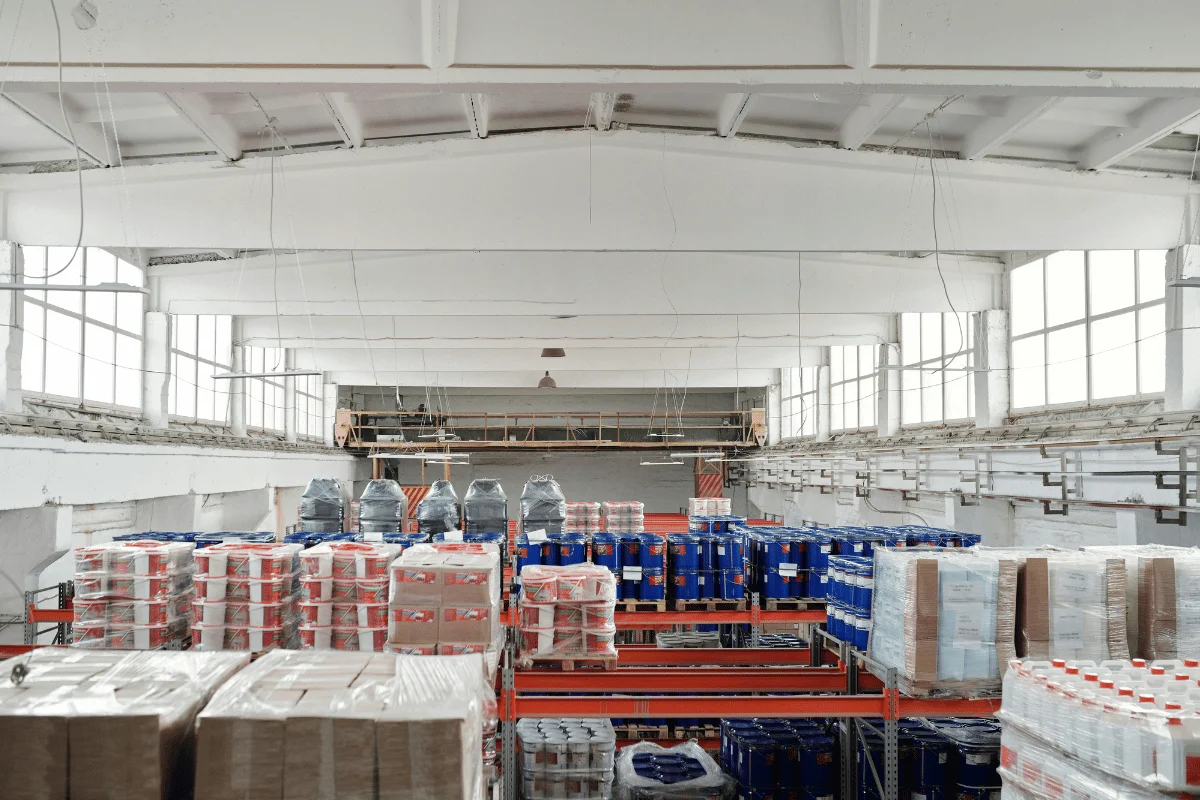
- Cargo warehousing and storage with pickup and dropoff options
- Knowledge of local and provincial import laws and regulations
- Data-driven forecasting for proactive problem resolution
- Cargo consolidation and de-consolidation services
- Securing good FCL and LCL shipment rates
- Cargo protection and security
Future of Shipping in Canada
Even as Canada faces the challenge of its land vastness and the concentration of most of the population in only a cross-section of the country, the future of shipping is quite promising.
As a logistics manager, e-commerce merchant, or SMB, you can expect the following:
Increased Technological Adoption
Freight forwarders and other logistics companies are adopting new methods of sharing information with customers and shippers.
Shippers and logistics providers have had to adopt digital technologies to streamline shipping to improve competitiveness, predictability, resilience, data security, efficiency, and supply chain flexibility.
Most of these technologies mainly focus on improving supply chain visibility and accessibility through monitoring shipments, warehouses, fulfillment centers, and even individual packages.
Freight forwarders will also continue to join other industry stakeholders in adopting and capitalizing on artificial intelligence, robotics, air and ground vehicles, and zero-emission electric trucks.
International Market Expansion
New market opportunities keep emerging as Canada enters free trade agreements with fast-growing economies in Latin America and Southeast Asia.
The CPTPP (Comprehensive and Progressive Agreement for Trans-Pacific Partnership) is a good example, linking Canada with Japan, Mexico, Peru, Australia, Vietnam, Brunei, Malaysia, Chile, New Zealand, and Singapore.
The continually growing manufacturing sectors and middle classes in these regions will provide a market for Canada’s exports and a source of imports for the country.
Increased eCommerce-Based Shipping
Traditionally, most shipping is based on brick-and-mortar businesses. However, since 2020, Canadian consumer behavior changed tremendously in favor of online shopping.
The behavorial change is expected to be permanent, which will further promote the continued growth of eCommerce shipping and freight forwarding.
For example, there has been a notable increase in cargo across the Pacific region as online retailers like AliExpress and Temu establish their presence in the country.

Frequently Asked Questions (FAQs)
Here are some common questions we get:
Look up their organization online.
Check their website for client testimonials, see if they belong to professional freight forwarding organizations, their connections and partnerships, their presence and successes in the media over the past few years.
The average freight forwarding costs are based on multiple factors.
Depending on the province, imported goods may be subject to General Sales Tax (GST), Harmonized Sales Tax (HST), Provincial Sales Tax (PST), Excise duty or excise tax on luxury goods, and customs duty — all valued at 4-15% of cargo value.
Then, there are additional fees such as EDI charges, handling fees, customs brokerage fees, and more.
Freight forwarders simplify the complex logistics process. Instead of negotiating multiple contracts with carriers and customs agents, businesses can rely on a single partner to manage everything end-to-end, saving time and avoiding costly mistakes.
Ocean freight routes typically run from Asia to ports such as Vancouver, Prince Rupert, Montreal, and Halifax. There are cases where Ocean Freight may cross U.S. waters, in which case a fee will be charged. Air freight commonly arrives at Toronto Pearson and Vancouver International. Some shipments also transship via U.S. or European ports before entering Canada.
Canadian Border Services Agency (CBSA) requires importers to submit documents like the commercial invoice, bill of lading, and customs declaration. Duties and taxes are assessed based on HS codes and product type. A freight forwarder ensures accurate filing and quick clearance.
Ship4wd offers a digital-first freight forwarding experience with guaranteed space allocation, locked-in rates, and 24/7 expert support. Our platform lets SMBs get instant quotes, book shipments, and track deliveries from Asia to Canadian ports, all with customs clearance included.
Conclusion
If you run an SMB or an eCommerce store or work in one of these as a logistics manager, the best Canadian freight forwarder to work with is Ship4wd.
Our service offerings, including secure container allocation at locked-in rates, 100% freight visibility, and round-the-clock customer support, are designed to help you navigate the difficult importation process and regulations in Canada and get your goods to your doorstep faster.