



Explore how DAP shipping terms can streamline global deliveries while avoiding common logistical pitfalls.
As a small or medium business, importing goods from international manufacturers and suppliers can be a great strategy. You get to provide your customers with plenty of options, which can boost satisfaction levels and your bottom line.
However, international shipping and logistics have some major hurdles. How do you get the goods from the source and into your hands?
A good place to start is a shipping contract like DAP freight terms. But what is it, and how can you use it to optimize your shipping and logistics processes?
While independently navigating DAP in shipping is great, you can have even better results when you work with a digital freight forwarder.
Ship4wd’s digital freight forwarding services can plug into your DAP shipping process, completing most of your responsibilities while you focus on growing your business. For example, we can handle the import customs clearance process and final deliveries for you.
Partner with us at Ship4wd to optimize all your international shipping activities and reduce overall costs.
What Does DAP Mean in Shipping?
Delivered at Place (DAP) is an international trade contract in which the seller is responsible for delivering goods ready for unloading to a predetermined place while leaving the import customs clearance process and costs to the buyer.
Introduced in 2010 by the International Chamber of Commerce (ICC), DAP is one of the revolutionary Incoterms that help sellers and buyers share international shipping risks and responsibilities amicably.
The seller is responsible for the shipping activities and costs from the origin port to the named place but not for import customs clearance and expenses.
The named place is usually a destination port, warehouse, terminal, or the buyer’s business location.
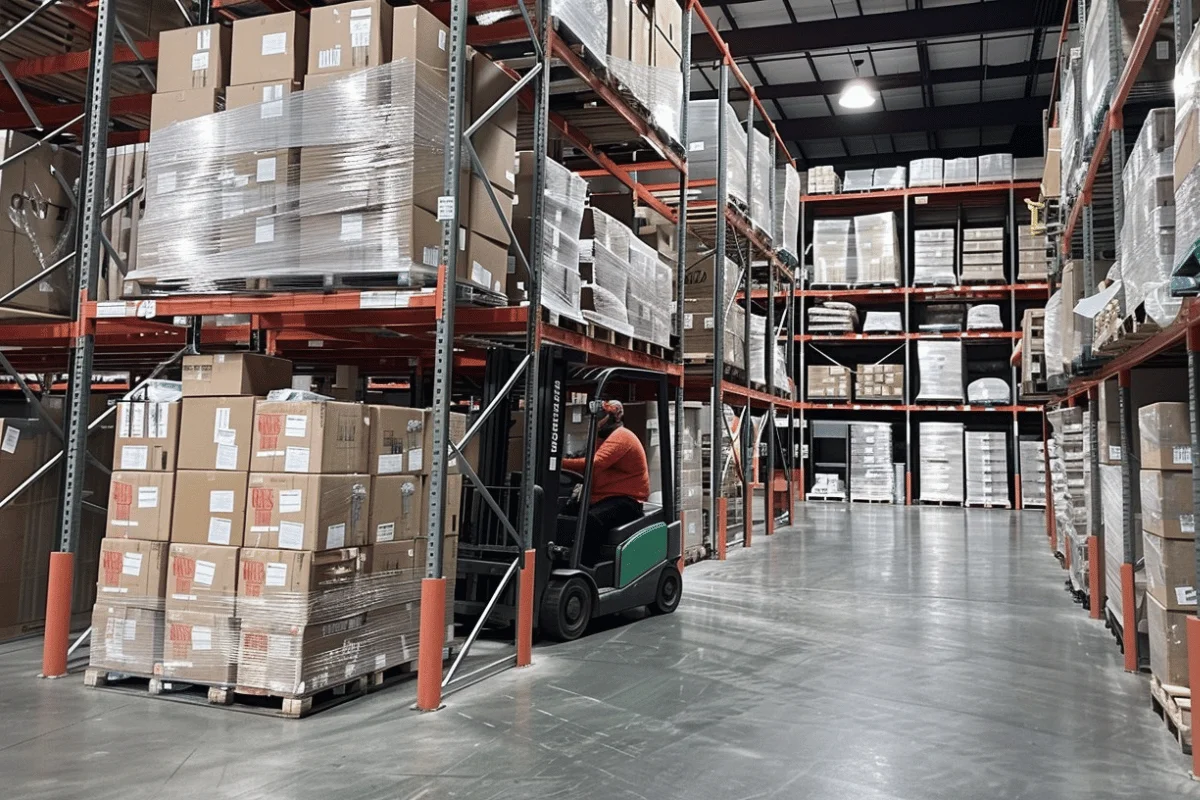
Key Responsibilities Under DAP Terms in Shipping
As with other Incoterms, both the seller and the buyer have specific responsibilities.
Here’s how these play out:
Seller Responsibilities in DAP Shipping
Let’s start with the seller’s responsibilities:
- Arranging all activities, pay handling, and transportation between the port of origin and the named location.
- Preparing, sharing, and submitting documentation such as export paperwork and commercial invoices for smoother export customs clearance.
- Paying export customs duties, taxes, and customs clearance charges.
- Assuming the risks of loss or damage until the goods arrive at the named place, even if there hasn’t been a formal transfer of title.
- Export packing and packaging of goods.
- Providing the buyer with proof of delivery.
- Handling export customs clearance.
Buyer’s Responsibilities in DAP Shipping
Let’s now see what your responsibilities are as the buyer under DAP delivery terms:
- Paying for the cost of goods.
- Providing a clear destination.
- Arranging for cargo insurance or negotiating for it with the seller because DAP doesn’t automatically include insurance.
- Preparing and submitting import documents.
- Handling import customs clearance.
- Paying for import taxes, duties, and customs clearance fees.
- Inspecting the cargo after arrival and reporting any issues to the seller.
- Unloading the cargo at the destination, finding and paying for the labor and equipment.
- Additional storage or delivery.
- Assuming risks once the goods arrive at the named location.
As mentioned, you can delegate most of your DAP responsibilities, such as the customs clearance process, to a freight forwarder.

Pros and Cons of Using DAP Shipping
Let’s go over the advantages and disadvantages of using DAP delivery as a buyer:
| Pros | Cons |
|
|
|
|
|
|
DAP Shipping Costs
Knowing all the DAP charges in shipping will enable you to budget accordingly.
Your seller typically uses the formula below to determine the total you’ll pay them:
DAP Charges = Cost of Goods + Transportation Costs + Export Customs Taxes and Duties + Export Customs Clearance Fees
Other costs can include loading charges, currency exchange costs, and handling charges. The seller also adds a markup as their profit.
If you agree with the seller to have the cargo insured from the origin to the named destination, the formula can change to include cargo insurance costs.
Once you receive the goods, you can incur extra costs like:
- Insurance expenses from the unloading point to the final destination
- Unloading expenses
- Additional storage fees
- Last-mile delivery expenses

DAP vs. Other Freight Terms: Key Differences Explained
Here’s how DAP shipping terms compare with other Incoterms:
DAP vs. DDP
The main difference between DAP and DDP is who is responsible for the import customs process and its related costs.
Under DAP, the buyer is responsible for all import taxes, duties, and customs clearance charges, while the seller is responsible for all export duties, taxes, and customs clearance fees.
In DDP, or Delivered Duty Paid, the seller handles both export and import customs clearance processes and pays for all the associated duties, taxes, and clearance fees.
DAP vs. CIF
In the case of Cost, Insurance, and Freight or CIF incoterms, the buyer takes up risk after they accept proof of delivery of goods at the agreed-upon destination port.
Under DAP, insurance is not mandatory, but you may agree with the seller to include it for added security.
DAP vs. FOB
The primary difference between DAP and FOB is the stage at which the seller stops assuming risks and responsibilities for the cargo.
In DAP, the seller retains risk, responsibility, and costs (excluding costs related to import customs) until the goods arrive at the named place ready for unloading.
Under Free on Board (FOB), the buyer assumes risks and responsibilities and all the remaining costs, including transportation costs, once the goods are onboard the vessel at the predetermined port of origin.

Practical Tips for Using DAP Terms Efficiently
Like most other Incoterms, DAP terms can be tricky to master and use effectively.
Here are some tips to improve the efficiency of DAP shipping:
- Discuss Insurance Beforehand: Communicate clearly with the seller about the responsibility for cargo insurance to avoid financial losses due to handling and in-transit risks.
- Handle Import Customs Process Early: Take care of the import customs clearance process in good time before the cargo arrives to avoid costly customs clearance delays.
- Embrace Cargo Tracking: Track your shipment regularly to stay up-to-date on potential delays and expected arrival dates.
- Bring in a Freight Forwarder: Work with a freight forwarder to get help with some of the shipping activities, such as insurance and final delivery.
At Ship4wd, we can help you optimize your DAP shipping strategy and provide cargo insurance coverage for post-arrival risks during unloading, storage, or additional transportation.

Common Mistakes to Avoid When Using DAP
To ensure hassle-free imports using the DAP Incoterms, you must avoid making mistakes such as:
- Overlooking the need for insurance between the departure location and the named place.
- Providing an ambiguous location, forcing the seller to choose any point in the general area.
- Poor communication, which can lead to delays, disputes, or financial losses.
- Failing to seek expert help with handling international logistics and shipping.
- Failure to confirm and act on the exact delivery date, causing confusion, delays, and potential additional costs.

Frequently Asked Questions (FAQs)
Let’s wrap this up with a few questions buyers usually ask about DAP freight terms:
Is DAP Suitable for Small Shipments?
Yes. DAP is suitable for small shipments, especially if you need more control over inventory and cash flow.
If you order routinely from the seller or guarantee a specific order quantity, they may allow you to pay for goods after they arrive. You’ll get inventory, and your finances will be more freed up.
Can DAP Be Used for Air Freight?
Yes, you can use DAP terms for air freight.
In fact, the rule is also suitable for shipping via ocean, rail, road, and multimodal transport.
What Are the Alternatives to DAP for International Shipping?
DDP and CIF are excellent alternatives to DAP.
DDP reduces your risk and responsibility burden since most of these lie with the seller until the goods arrive at the agreed-upon destination. The seller also handles import customs clearance for you.
With CIF, you enjoy the benefits of mandatory insurance, but you handle the import customs process.
Are There Any Hidden Costs in DAP Freight Terms?
Ideally, there are no hidden costs when you use DAP. Some may be “hidden” in that they may not be immediately apparent when you agree on the terms.
Some unexpected DAP costs may include demurrage fees and detention charges due to container delays.
Conclusion – DAP Shipping Terms
When you master and implement DAP freight terms effectively, you can smoothen your international shipping process, reduce costs, and improve your bottom line.
The good thing is that you don’t have to go through the process alone. A good digital freight forwarder can help with some of your responsibilities.
At Ship4wd, we can help you optimize your DAP processes by handling import customs clearance, post-arrival cargo insurance, and final delivery.
Join us today to ship cost-efficiently and seamlessly, whether you use DAP for air, ocean, or road freight.