



From pricing models to cost breakdowns—learn how air freight charges are determined.
According to Straits Research, the global air freight market will grow at a forecasted CAGR of 6%, from a total worth of $331.5 billion in 2023 to $560 billion by 2032.
This is great news for businesses using air shipping services since they can get even better access to high-speed shipments over short and extended distances. However, not knowing how air freight costs are determined and how much you can expect to spend can prevent you from leveraging the opportunity fully.
In this guide, we explore the various air freight charges you can expect to pay, how they are calculated, and the factors that drive them. We’ll also look at key strategies for optimizing your shipping expenses.
Quick Overview (TL;DR) – Air Freight Costs
Air freight pricing is based on chargeable weight (the greater of gross vs. volumetric weight) plus fees such as fuel surcharges, handling, airport, and customs charges.
Rates vary by factors including cargo class, distance, urgency, handling needs, market demand, and geopolitical conditions.
Typical industry rates range between $2.25–$8.00/kg, with final costs impacted by service level and surcharges.
Pricing models include weight-based, volume-based, spot, tiered, contractual, and surcharge-based approaches.
How Ship4wd helps: You don’t have to determine air freight costs alone. Work with Ship4wd—a digital freight forwarding company—to access our instant quote tool.
Using our digital dashboard, you can obtain competitive and transparent shipping quotes within a few minutes.
Search and compare air cargo shipping quotes with Ship4wd today.
Factors Influencing Air Freight Rates
Air cargo charges depend on a host of factors, each with a key role in determining the final amount you pay.
Here are some major elements that affect domestic and international air freight costs:
- Cargo Volume or Weight: Carriers typically calculate air freight costs based on either volumetric weight or actual gross weight in kilograms or pounds. The higher value becomes the chargeable weight.
- Freight Class: Carriers assign different classes to different types of cargo depending on density, size, and fragility. A higher class means higher air freight charges.
- Fuel Prices: An increase in fuel prices is usually passed on to the “payer”, meaning it is sometimes the shipper but it may also be that the consignee is the one paying this fee, through a fuel surcharge or higher freight rates. This can be a major factor on the cost of the flight, and that is why it is very dynamic and costly.
- Preferred Level of Service: Standard delivery is typically cheaper than expedited delivery, which costs more because of the urgency required.
- Distance and Route: Longer distances mean higher freight rates because of more fuel consumption. Similarly, a sophisticated route, such as one with many stops, leads to higher rates.
- Handling Requirements: If you are shipping goods that require special handling, you can expect to incur higher air freight costs per kg. For example, shipping dangerous goods like batteries can be more expensive as they require special documentation, safety protocols, and transit equipment.
- Market Demand: Domestic and international air freight rates typically increase as demand for air shipping increases. Shippers compete for cargo space, and carriers leverage the opportunity to increase their prices and revenues.
- Geopolitical Dynamics: Aspects such as trade wars, major global events, and changes in trade policies may drive air freight prices up or down.
Once you understand these critical factors, it’s easier to anticipate and adjust accordingly to ensure your business stays competitive and profitable.
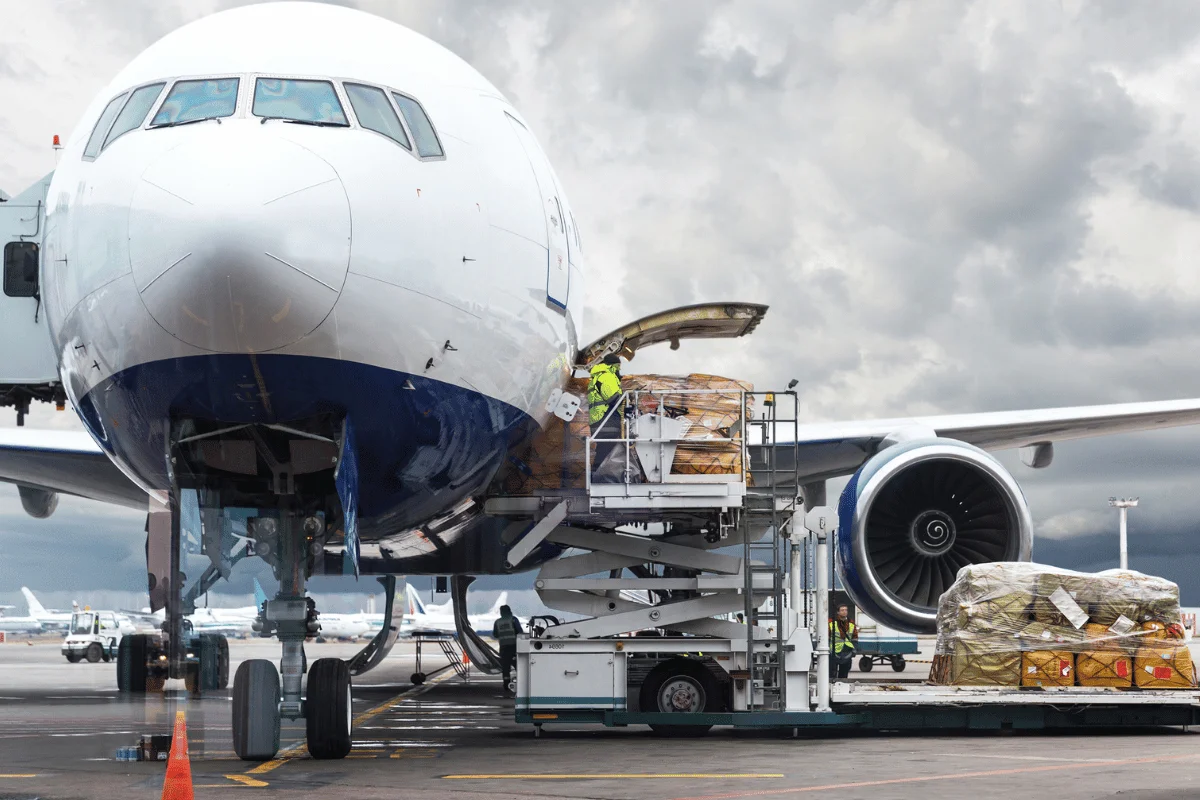
Different Air Freight Pricing Models
Air freight service providers may use one or a combination of different pricing models to determine the appropriate air freight shipping costs for their services.
Here are some common models:
- Weight-Based Pricing: As the most traditional model, this option relies on the cargo’s actual gross weight in kilograms or pounds.
- Volume-Based Pricing: This option relies on the shipment’s volumetric weight (also called dimensional weight), especially for low-density cargo.
- Spot Pricing: Also loosely called “market-based pricing,” this method sets rates based on the prevailing demand and supply. The model is commonly used for one-time or ad hoc shipments.
- Tiered Pricing: Some carriers use cost tiers based on shipment frequency, urgency, size, or the preferred level of service.
- Contractual Pricing: Most carriers agree to negotiate rates with freight forwarders based on long-term contracts or service-level agreements, not with individual shippers.
- Surcharge-Based Pricing: Carriers usually add various surcharges to the base rate (chargeable weight rate) to cater to changes in market conditions and operational costs.
While you don’t have to memorize these models, understanding them can help you make better decisions about selecting the most favorable air cargo services for your business.
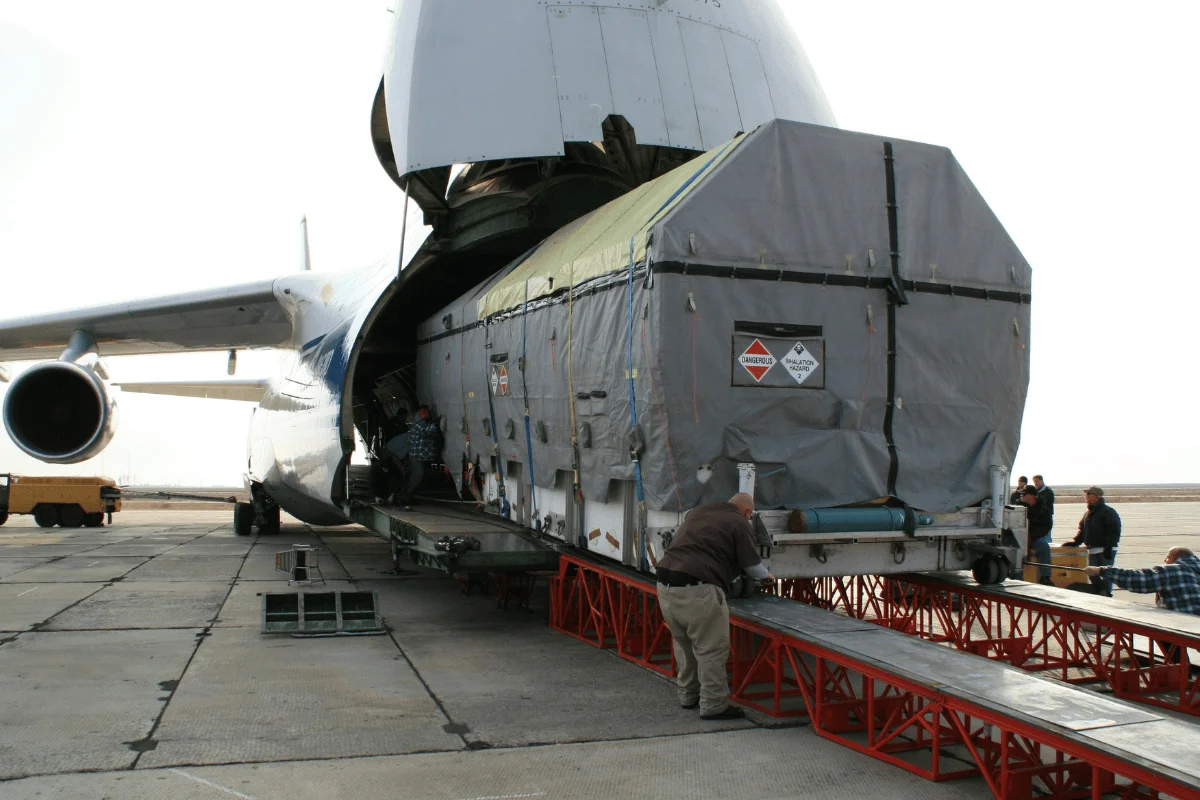
Breaking Down Air Freight Costs
Besides the base rate determined by the actual gross weight or volumetric weight, you may incur other air freight charges such as:
- Fuel surcharge
- Cargo insurance
- Airport fees or terminal handling fees
- Airport transfer fee (where applicable)
- Customs clearance fees
- AMS fee
- Airway Bill (AWB) fee
- Handling fees
- Storage (when needed)
These fees should be considered when budgeting costs, though they are not part of the initial air freight costs:
- Last-mile delivery cost
- Pickup fees
Note: Some carriers may charge a minimum amount or have a minimum weight requirement, regardless of the actual weight of your cargo.

How to Calculate Air Freight Costs
You might want to calculate air cargo freight rates manually to get an idea of how much you’ll need to pay.
Here’s how you can do it:
Calculating Air Freight Cost Based on Cargo Gross Weight
Determine the actual gross weight of your cargo, which comprises the weight of the goods and the packaging.
Multiply the weight by the freight cost per kg or pound.
Let’s assume an industry standard of $2.25-$8.00/kg in air freight fees and a shipment weighing 15kg.
Air freight cost = Actual gross weight x Cost per kg
= 15 x $2.25 = $33.75
If you were to be charged $8.00/kg, the cost would be $120 (15 x $8).
Calculating Air Freight Cost Based on Volumetric Weight
Follow the steps below to determine how much the air freight may cost based on volumetric or dimensional weight:
- Multiply the shipment’s height, length, and width to get the volume.
- Apply a volumetric conversion factor to the number obtained above to get the volumetric weight.
- Multiply the volumetric weight by the cost per kg.
Note: The volumetric conversion factor depends on the units used to measure weight and dimensions. Use the volume basis if the resulting volume exceeds 6,000 cubic centimeters per kilogram, 366 cubic inches per kilogram, or 166 cubic inches per pound. Divide the volume by the corresponding conversion factor.
Here’s a quick example based on the following numbers:
- Assumed cost per kg of $2.25
- Cargo dimensions of 50 cm by 50 cm by 50 cm
Volume = 50 cm x 50 cm x 50 cm = 125,000 cm³
Volumetric weight = 125,000 ÷ 6,000 = 20.833kg (which may be rounded off to the nearest to 21kg)
Air freight cost = Volumetric weight x Cost per kg
= 21 x $2.25 = $47.25
If these scenarios were the same shipment, the carrier would use the volumetric weight option because it is greater than the actual gross weight (Gross weight = 15 kg and volume weight = 21 kg).

Using an Air Freight Cost Calculator
Calculating air freight shipping rates manually is exhausting and prone to errors. Instead, you can use a domestic or international air freight costs calculator.
If you are working with a freight forwarder, you can use their online calculator. Some have an online air freight chargeable weight calculator.
At Ship4wd, we offer a holistic, internet-based freight cost calculator that you can use to obtain real-time freight costs for both air and ocean freight shipments.
Here’s a quick overview of how to use the Ship4wd freight shipping cost calculator:
- Create a free Ship4wd account.
- Add the preferred shipping method, in this case, air freight.
- Add the origin.
- Add the destination.
- Add the cargo details, such as weight, size, volume, quantity, and dimensions.
- Add the ideal departure date based on the drop-down indicated.
- Click the Search icon to get quotes (the number of quotes can vary based on your needs and the shipment details).
- Select your preferred quote to see the cost and price breakdown.
- Add your preferred additional charges, such as cargo insurance.
- Confirm the shipment details and full cost.
Once you are done, you can pay for shipment online or offline.
Ready to start shipping efficiently? Generate and compare freight rates with Ship4wd today.
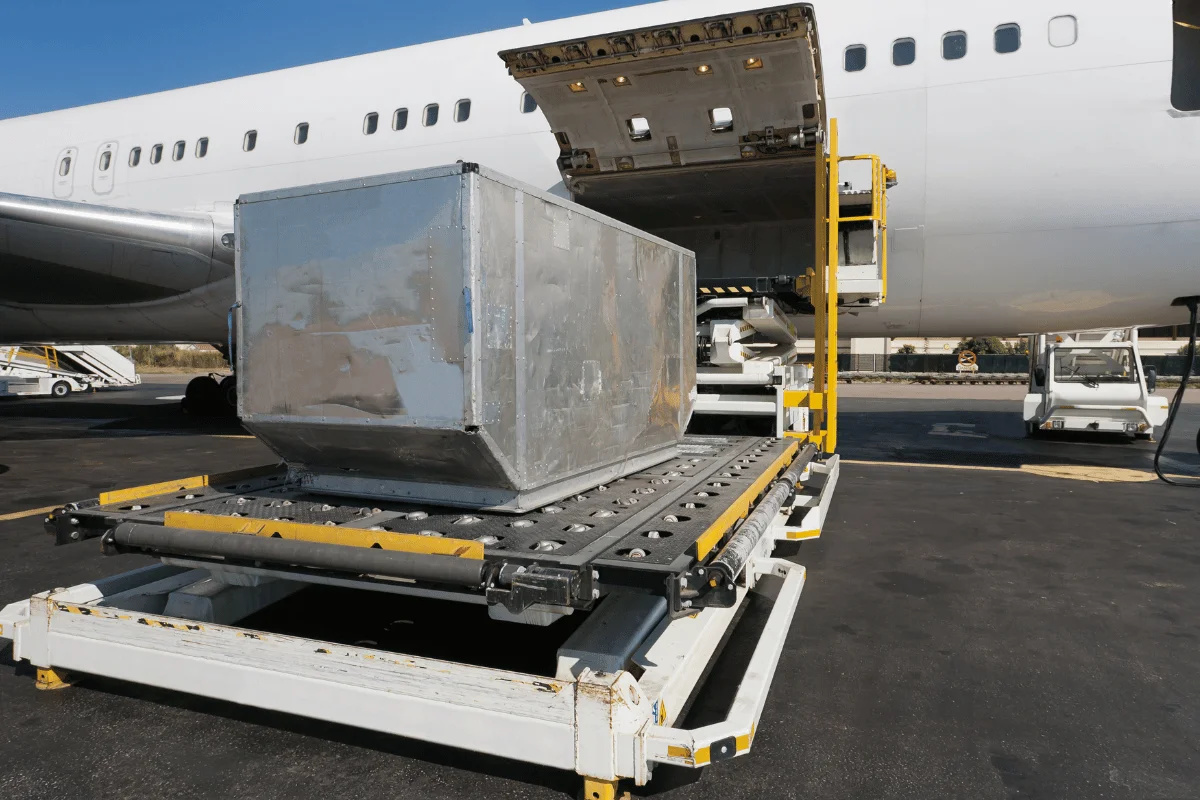
Tips to Minimize Air Freight Charges
While air freight is the best in terms of speed, it may be quite expensive. Consider the tips below to reduce how much you pay:
- Leverage Technology: Use technology, such as freight forwarder software, to improve your overall supply chain efficiency and visibility.
- Consolidate Shipments: Pack items together to reduce handling fees and maximize cargo capacity by reducing the number of standalone packages.
- Optimize Packaging: Use efficient packaging so your package has the smallest possible dimensions to reduce volumetric weight.
- Plan Shipments in Advance: Plan well ahead to increase the lead time and reduce the need for urgent shipping, ensuring shipments can use cost-effective routes.
- Try Multimodal Transportation: If your shipment isn’t urgent, try combining air freight with ground transit methods as they are cheaper.

Air Freight Price Trend and Projection
The air cargo market is highly dynamic, and changes happen constantly.
You can expect the following trends in air freight pricing:
- Increments Due to Value Addition and Specialized Services: Carriers will keep differentiating their services to remain competitive and justify higher costs. For example, they may add value by offering quicker expedited deliveries or specialized solutions, such as dangerous goods shipping.
- Multimodal Transit Integration: Service providers like freight forwarders may optimize costs by using road transportation to support air freight.
- Dynamic Pricing Models: The freight industry is gravitating towards complex, data-driven dynamic pricing systems that quickly adapt to customer preferences and market conditions.
- Collaborative Partnerships: There will be more collaboration between shippers, carriers, freight forwarders, and technologists to improve pricing transparency and competitiveness, optimize operations, and promote mutual benefits.
Besides these trends, air freight prices are also projected to increase.
According to The Loadstar, prices have been increasing in various regions and are bound to increase further. Additionally, the increase will likely continue to be unevenly distributed.

Choose Ship4wd for Your Air Shipping Needs
As mentioned, working with a freight forwarder for all your air shipping needs can save you a lot of trouble.
Here’s why you should work with us at Ship4wd as your preferred air freight forwarder:
- Easy-to-Use Freight Cost Calculator: We offer an online freight cost calculator that allows you to generate and compare shipping quotes and rates in real-time.
- Secure Online Payment Options: You can pay for your shipment easily using our secure online checkout system.
- Flexible Payment Terms: If you qualify for our credit lines, you can pay for your cargo and shipment up to 90 days after delivery.
- Healthy Collaborative Partnerships: We have long-lasting partnerships with reliable agents, which helps ensure competitive pricing.
- Digital Customs Clearance: We offer digital customs clearance services to help reduce instances of fines, penalties, or delays that may ramp up your costs.
- Pricing Transparency: We are dedicated to pricing transparency, so there are no hidden fees, and you know what you are paying for right from the start.
- Dedication to SMBs’ Success: Our entire company and service are dedicated to helping SMBs secure services, space allocation, attention, competitive prices, and competitive advantage.
- Specialized and Expedited Air Freight Shipping: We offer faster air shipping options, even with last-minute arrangements. We also offer specialized solutions, such as shipping dangerous goods.
We are always ready to help you with your cargo transportation needs. Join us at Ship4wd today for efficient and cost-effective shipping services.

Frequently Asked Questions (FAQs)
Let’s wrap up the discussion with common questions about air freight shipping costs:
Air freight is priced higher due to faster transit times, limited cargo space, and higher operating costs such as fuel and security.
Pricing depends on weight (actual vs. volumetric), distance, fuel surcharges, type of cargo, and any special handling requirements.
Duties and tariffs are added on top of freight charges and vary by commodity and origin country. Current trade policies, like the Trump Administration’s newly imposed tariffs on imports from China and other nations, can significantly impact landed costs.
In addition to the cost based on chargeable weight, you can expect additional air freight fees, such as customs clearance, cargo insurance, and handling fees.
You may also need to pay airport or airline security fees, fuel surcharge, cargo screening or X-ray fees, and airport transfer fees.
Ship4wd offers instant digital quotes that include customs clearance, duties, and tariffs upfront, eliminating hidden fees. With real-time tracking and 24/7 support, SMBs can ship quickly and confidently without overspending. Check out our air freight shipping and customs clearance services here.
Conclusion
When determining air freight costs, using an online freight cost calculator is beneficial. Calculating the cost independently or liaising with your service provider for a quote can be stressful and time-consuming.
On the other hand, a digital calculator offers peace of mind and saves time, as you can request and compare quotes in real-time.
When you work with Ship4wd, you can use our free online freight cost calculator. We guarantee pricing transparency and competitiveness to help minimize your shipping costs.
Sign up for Ship4wd today to get a free shipping quote.