


Confused about 3PL vs. freight forwarders? Discover the key differences and which one would suit your business the best.
Have trouble deciding between working with a freight forwarder or a 3PL?
You aren’t alone, and the several levels of similarity between them don’t make it easier.
We’ve found that one is ideal for businesses looking for more holistic services across the entire supply chain and the other for businesses looking specifically for logistics services.
Let’s explore the 3PL vs. freight forwarder discussion together to help you decide which is better for your business.

TL;DR – Difference Between 3PL and Freight Forwarder
Here’s a quick freight forwarder vs. 3PL overview to get started:
| 3PL | Freight Forwarder |
| A 3PL is a third-party logistics service provider that’s more invested in the entire supply chain, including logistics operations (transport). | A freight forwarder is an intermediary between carriers and shippers specifically focused on logistics operations. |
| Pros | Pros |
|
|
| Cons | Cons |
|
|
| Best For | Best For |
|
|
The freight forwarding vs. 3PL decision can be tough. If all you need is a reliable logistics solution, you can choose a freight forwarder.
You’ll even be better off if you choose a digital freight forwarder like Ship4wd. We provide a wide range of services to cover all your logistics needs from the beginning to the end.
The result is a streamlined, transparent, and reliable shipping process that cultivates a long-term partnership rather than the short-term transactional nature of traditional freight forwarding.
Create an account with Ship4wd today to discover how we can streamline your entire logistics process.
What Is a 3PL?
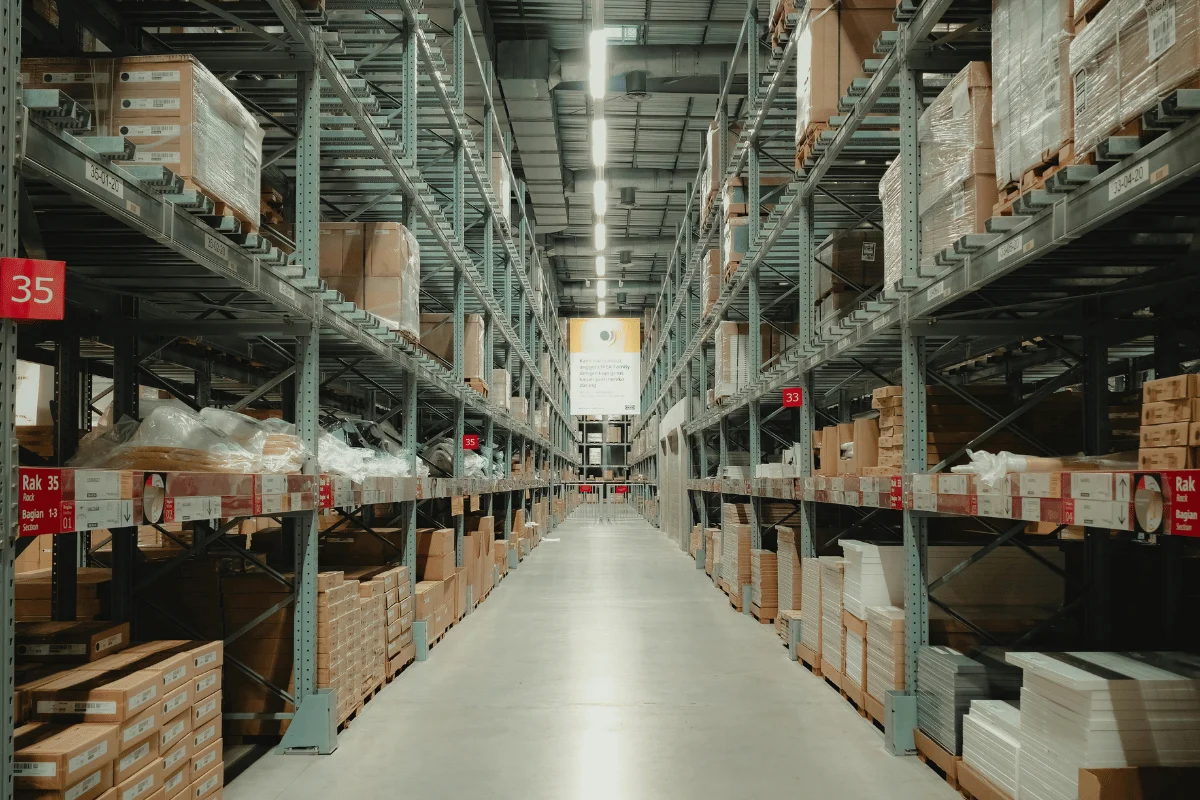
A 3PL refers to a third-party logistics service provider that focuses on the entire supply chain and logistics process.
3PL providers offer services such as warehousing and fulfillment, inventory management, shipping and distribution, customs brokerage, and return logistics.
The main focus for most 3PLs is warehousing and fulfillment, which involves picking and packing, storage, and delivery to the end user.
Types of 3PL Services
You may come across the following types of 3PL services based on specialization:
- Standard 3PLs: These are basic services for transport and storage only.
- Transport-Based 3PLs: Their main focus is getting goods from one place to another. They may also offer other transport-related solutions, such as transport optimization, shipment tracing and tracking, multimodal or intermodal transport, and cost management.
- Warehouse/Distribution-Based 3PLs: These offer warehousing and distribution services with a keen focus on warehouse and storage optimization, inventory management, reverse logistics, and order fulfillment.
- Full-Service 3PLs: These offer end-to-end supply chain and logistics services, such as accounting, data analytics, claims management, transportation, and relationship management.
Benefits of Using 3PL
Here are the main benefits of working with a third-party logistics provider:
- Your capital investment in supply chain utilities is reduced significantly, as you don’t have to own warehouses or transportation assets.
- You get more seamless shipping operations as they integrate better with your sales channels.
- Many 3PLs also offer freight forwarding services, which eliminates the need to coordinate between several providers simultaneously.
How Much Does 3PL Cost?
The cost of 3PL services varies widely from one company to another. Some key costs to expect include storage fees, picking and packing fees, and shipping costs.
3PL costs depend on factors such as warehouse proximity, ease or complexity of fulfilling an order, shipment size and weight, and the level of service agreed upon.
What Is a Freight Forwarder?
A freight forwarder is an intermediary that facilitates the transportation of goods domestically and internationally. Their core competency is planning freight shipping, especially for exports and imports.
Freight forwarders provide various services, including managing land, sea, and air freight shipping, booking cargo space, negotiating rates with carriers, and offering cargo insurance solutions.
Types of Freight Forwarding Services
Freight forwarding companies fall into the following categories, depending on specialization or business approach:
- Traditional Forwarders: These handle logistics using basic solutions such as spreadsheets, paper-based documentation, phone systems, and manual data entry. They may also use legacy solutions such as transport management systems and dedicated cargo management tools.
- Digital Freight Forwarders: These handle logistics using modern technologies such as automation, GPS tracking, machine learning, electronic data interchange, and artificial intelligence. Digital freight forwarders offer more efficient shipping solutions than their traditional counterparts.
- Ocean Freight Forwarders: Companies specializing in sea or ocean freight forwarding offer full-container load shipping or less-than-container load freight solutions.
- Air Freight Forwarders: These offer air shipment services, usually standard and fast shipping.
- Ground/Inland/Trucking Freight Forwarders: These offer land freight forwarding solutions using trucks on the road or trains on rail lines.
Note: Most digital and traditional freight forwarders offer ground, air, and ocean freight. Some may be well-known for one or two of these options.
Advantages of Freight Forwarders
Here are some key advantages of working with a freight forwarder:
- You can get better rates with carriers than you could after negotiating on your own.
- Forwarders are better than 3PL for handling bulk freight, especially in cross-border trade.
- Forwarders have better risk mitigation measures, including comprehensive cargo insurance and proactive solutions to problems.
- They have in-depth knowledge and experience with customs and export/import trade.
- There is a reduced need for long-term storage as they aim to have goods always on the move after pickup until they reach their destination.
How Much Does a Freight Forwarder Charge?
Freight forwarder charges vary greatly from one company to another. Key factors include pricing structure, carrier, shipping route and distance, type of goods, and additional services needed.
You can expect your total freight forwarding cost to include charges such as administration fees, carrier fees, container fees, cargo insurance, and documentation fees.
3PL vs. Freight Forwarder Comparison
Here’s a quick comparison between freight forwarders and 3PL based on critical factors within the supply chain and logistics ecosystem:
| Factors | 3PL | Freight Forwarder |
| Scope of Services | More focused on the entire supply chain, hence wider range of services | More focused on logistics operations only, hence limited |
| Warehousing & Fulfillment | Both storage and fulfillment are key aspects, and typically, the main services | Some offer temporary warehousing, while fulfillment is typically direct-to-consumer |
| Shipping & Transportation | Mainly domestic in the case of smaller 3PLs, while larger ones offer both domestic and international shipping and transportation | Usually done using other companies’ transportation assets, sometimes those of 3PL providers |
| Customs & Compliance | Usually offered by larger 3PLs with international logistics services | These are key components since export/import trade is a major focus |
| Cost Structure | Varies widely with critical elements like storage fees, shipping costs, and pick and packing fees | Varies significantly and includes variables such as administration fees, cargo-related costs, and destination fees. |
| E-Commerce Integration | High-level integrations, even for multiple sales channels | Integrations with e-commerce platforms or websites are limited |
| Technology & Tracking | Usually have legacy transportation management and warehouse management solutions with low-key cargo tracking | Advanced technology such as machine learning and artificial intelligence are common, while real-time tracking is highly developed among digital freight forwarders |
| Support & Management | Mainly meant for assistance with domestic services but is typically ramped up in the case of international shipping. Most providers manage all services with few to no tasks left for the shipper. | Digital freight forwarders offer comprehensive customer support, especially to help shippers manage complex global shipping procedures. They also offer different levels of service management. |
Similarities and Differences
Let’s take a closer look at the similarities and differences between 3PL and freight forwarders based on some of the above factors.
3PL and Freight Forwarder Similarities
3PL and freight forwarders share similarities such as:
- Shipping and Transportation: Both providers offer shipping and transit services, which include pickup and last-mile deliveries. However, 3PLs usually use their own transportation assets, like trucks and planes, while freight forwarders rely on the assets of their carrier partners.
- Customs and Compliance: Freight forwarders and 3PLs involved in international trade usually offer customs clearance services and help shippers comply with export and import requirements.
3PL and Freight Forwarder Differences
Freight forwarders and 3PLs differ in many ways, such as:
- E-commerce Integration: 3PLs typically integrate more with e-commerce platforms to streamline real-time order fulfillment. Forwarders have few to no integrations, so you might have to alert them when you need an order fulfilled.
- Scope of Services: Freight forwarders offer a limited range of services, given that they are specifically about logistics. 3PLs offer more services as there are more tasks in the supply chain.
- Warehousing and Fulfillment: Unlike 3PL providers, most freight forwarders do not offer storage services, as goods are typically on the move from the pickup point to the final consumer. Fulfillment is also mainly direct-to-consumer because they pick up ready-to-ship cargo.
- Technology and Tracking: Most 3PLs use traditional technology in the same way as traditional freight forwarders. Digital forwarders use advanced technologies to ensure real-time end-to-end cargo tracking and visibility.
- Support and Management: Digital freight forwarders offer more comprehensive customer support. Large 3PL providers usually offer poor support to smaller businesses. Digital forwarders can have hands-on and hands-free service management levels.
What About Freight Brokers?
Freight brokers are also intermediaries between shippers and carriers. They differ from freight forwarders and 3PL providers in that they do not interact with cargo physically.
You can choose a freight broker vs. 3PL providers if optimizing the transit process is more important than handling the goods physically, and you want the liberty to execute some of the handling activities.
Taking the help of a broker vs. a freight forwarder can help you quickly find the most favorable transportation method for a specific shipment.

Why Ship4wd Is the Logistics Partner You Need
While a broker may be helpful in some situations, a freight forwarder is a better solution for your logistics needs.
Here’s why you might want to outsource your logistics operations to Ship4wd rather than a 3PL provider:
- Different Partnership Levels: We offer two partnership levels, one where we handle everything for you and the other where you handle everything yourself to eliminate overdependence on us.
- Guaranteed Space Allocation: We are the only forwarder that guarantees space allocation in LCL and FCL containers at competitive prices during peak seasons, regardless of the size of your cargo.
- Dedication to SMBs: While we work with shippers of all sizes, we also offer small and medium-sized businesses the attention they deserve to help them become formidable players in their niche.
- Wide Range of Transport Options: We offer both, ocean freight and air shipping services. You can also benefit from inland door-to-door or last-mile deliveries.
- Flexible Credit Lines: We offer pay-after-cargo-arrival credit services to businesses that qualify, allowing them to pay for shipping and their cargo up to 90 days after arrival.
- Comprehensive Cargo Insurance: We facilitate an all-risk cargo insurance service to protect your business against loss from cargo damage or destruction.
Register a free account with us today to start optimizing your logistics processes.
Frequently Asked Questions (FAQs)
Let’s close the discussion with a few extra questions about 3PLs and forwarders:
Do 3PL Providers Handle International Shipping Like Freight Forwarders?
Yes. Some larger 3PL providers handle international shipping in the same way as freight forwarders.
Such 3PLs offer customs clearance, international trade compliance, and documentation services.
Are there Freight Forwarders Offering 3PL Services?
Only a few freight forwarders offer 3PL services.
Most forwarders prefer to partner with 3PL providers or recommend the ones they trust to their customers.
Can a Small Business Benefit More from a 3PL or a Freight Forwarder?
How much you benefit from a freight forwarder or 3PL will depend on your specific situation and needs.
If you need help with the entire supply chain, then a 3PL would be more beneficial.
If you only need help with transportation and transport-related solutions, then a freight forwarder like Ship4wd would be more beneficial.
Bottom Line – Freight Forwarder vs. 3PL
Choosing between freight forwarders and 3PL providers can be overwhelming.
You’ll want to work with 3PL if you need or prefer a single service provider for all your supply chain and logistics operations. With a 3PL, you get inventory management, warehousing and fulfillment, and shipping services under one roof.
If you only need logistics (transport and transport-related solutions) help, work with a freight forwarder—Ship4wd. You can handle the supply chain part yourself or outsource it to a 3PL to diversify your risks.
Sign up for Ship4wd today to streamline your logistics operations through our transformative digital freight solutions.