



In international trade, Incoterms define the scope of responsibility between buyers and sellers, particularly when it comes to shipping, risk, and cost allocation. Among the many available options, CPT (Carriage Paid To) and DDP (Delivered Duty Paid) are two terms that offer very different shipping models, each with unique implications for importers.
This article explores how CPT and DDP differ and how each might influence your logistics strategy. Whether you’re handling international shipping independently or working with a trusted international freight forwarder such as Ship4wd, understanding these Incoterms is critical for making informed supply chain decisions.
Understanding Incoterms
Incoterms, or International Commercial Terms, are maintained by the International Chamber of Commerce (ICC). They standardize the division of obligations, risks, and costs in global shipping transactions. By clearly defining who does what in terms of transport, insurance, customs, and more, Incoterms help reduce disputes and ensure smoother operations between international trading partners.
The current version, Incoterms 2020, outlines 11 standard terms, including:
- EXW (Ex Works)
- FCA (Free Carrier)
- FAS (Free Alongside Ship)
- FOB (Free On Board)
- CFR (Cost and Freight)
- CIF (Cost, Insurance, and Freight)
- CPT (Carriage Paid To)
- CIP (Carriage and Insurance Paid To)
- DAP (Delivered at Place)
- DPU (Delivered At Place Unloaded)
- DDP (Delivered Duty Paid)

What Is CPT (Carriage Paid To)?
CPT (Carriage Paid To) requires the seller to arrange and pay for the main transportation to a named destination, such as a port or terminal. Although the seller arranges freight to the agreed destination, the buyer assumes risk from the moment the goods are handed to the initial carrier.
This Incoterm is valid for all modes of transport, including multimodal shipping. The seller is also responsible for handling export clearance, while the buyer takes over from the point of carrier handoff, managing insurance (if needed) and handling import customs formalities.
Advantages of CPT:
- Seller Covers Freight: The seller pays for transport to the destination point, which can ease logistics planning for the buyer.
- Clear Risk Division: Risk transfers at the first carrier handoff, giving clarity on responsibility for damages or delays.
- Export Support: Export procedures and initial transportation are handled by the seller, reducing complexity for buyers unfamiliar with the process at the country of origin.
- Flexible Use: Suitable for any mode of transportation, especially when multiple shipping methods are involved.
What Is DDP (Delivered Duty Paid)?
DDP (Delivered Duty Paid) is an Incoterm under which the seller assumes maximum responsibility for delivering the goods to the buyer’s specified location, covering all associated costs and formalities. This includes arranging transportation, handling export and import clearance, and paying duties and taxes at the destination.
For buyers, DDP may seem like a convenient option, as the seller manages nearly every aspect of the shipping process. The only task typically left to the buyer is unloading the cargo. In some situations, the buyer may need to assist with specific import documents, but overall, their involvement is minimal.
This term is most useful when the buyer lacks the expertise or resources to handle international shipping procedures. Sellers that operate under DDP often rely on established freight forwarders and customs brokers to manage compliance and delivery efficiently.
Because the seller assumes maximum risk and cost, DDP transactions tend to reflect this in the final price. The buyer gains simplicity and peace of mind in exchange for a higher landed cost.
Advantages of DDP:
- Full-Service Seller Responsibility: The seller controls the entire journey from origin to final delivery.
- Reduced Buyer Burden: Buyers avoid dealing with customs, duties, and logistics, focusing instead on receiving the goods.
- Simplified Import Process: The seller manages all import obligations. The buyer may be asked to provide supporting documentation, but is otherwise hands-off.
- Versatility and Flexibility: DDP can be applied to all transportation methods, including ocean, air freight, and multimodal transportation.
CPT vs. DDP: What’s the Difference?
While both CPT and DDP are used in international shipping, they represent very different approaches to responsibility, risk, and cost allocation. CPT places more responsibility on the buyer after the initial handoff to the carrier, while DDP keeps the burden on the seller through to final delivery and import clearance.
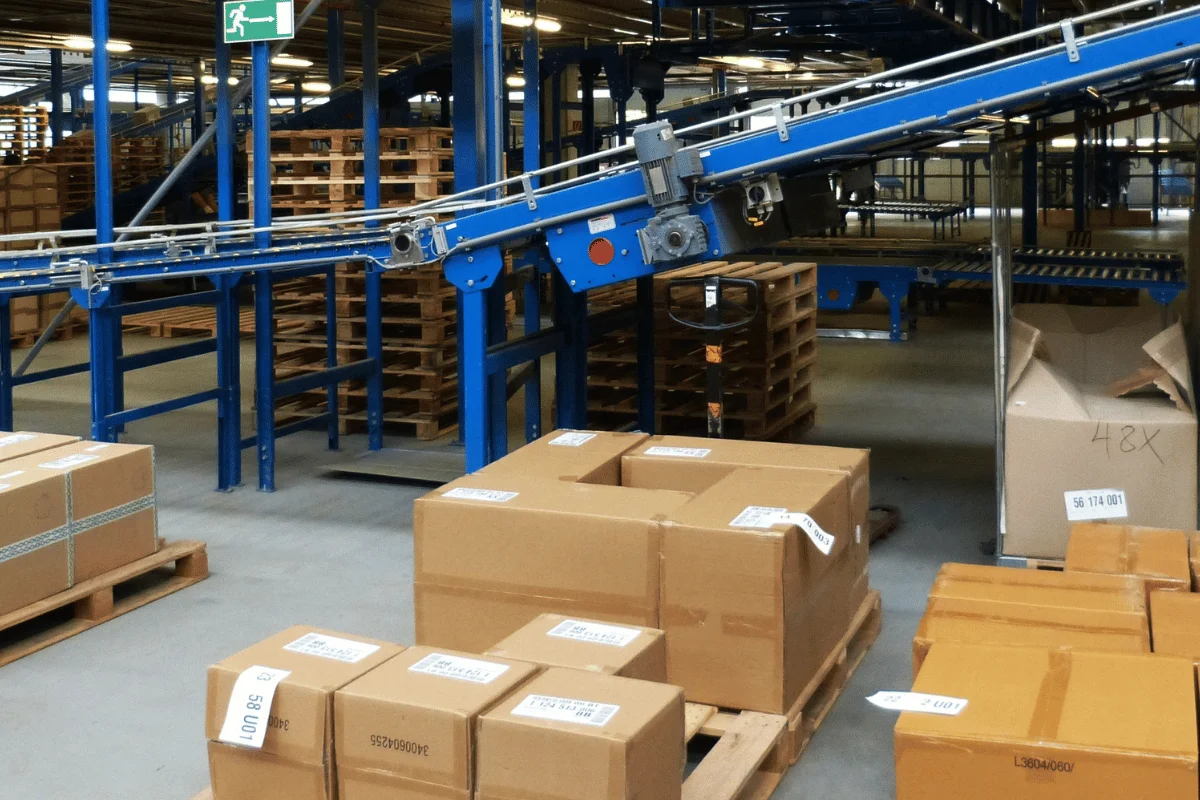
CPT vs. DDP: Differences in Responsibilities
Here’s how CPT and DDP split responsibilities between the seller and buyer throughout the shipping process.
Understanding CPT Responsibilities
Under CPT, the seller pays for the main transportation up to the named destination but transfers risk early in the process when the goods are handed over to the first carrier.
Seller Responsibilities Under CPT:
- Packaging and preparing goods for shipment.
- Arranging and paying for pre-carriage and main transport to the named place of destination.
- Delivering goods to the first carrier.
- Handling export clearance formalities and documentation.
Buyer Responsibilities Under CPT:
- Assuming risk once goods are handed to the first carrier.
- Handling import customs procedures, duties, and taxes.
- Managing the receipt and final delivery of the goods from the named destination.
- Purchasing insurance (optional but recommended).
Understanding DDP Responsibilities
Under DDP, the seller assumes maximum responsibility and cost, managing the process up to final delivery at the buyer’s location, including import duties and clearance.
Seller Responsibilities Under DDP:
- Packaging and preparing the goods for shipment.
- Arranging and paying for transportation to the buyer’s location.
- Handling both export and import clearance, including duties and taxes.
- Covering all risks and costs up until delivery at the final destination.
Buyer Responsibilities Under DDP:
- Receiving and unloading the goods at the final location.
- Providing any necessary assistance or documentation for import procedures if requested.
CPT vs. DDP: Risk Transfer Comparison
- CPT (Carriage Paid To): Risk transfers early, when the goods are handed to the first carrier, even though the seller pays for transport to the named destination.
- DDP (Delivered Duty Paid): The seller retains risk and cost until the goods are delivered to the final destination, after import clearance.
CPT vs. DDP: Cost Implications
- CPT (Carriage Paid To): The seller pays for export clearance and main transportation to the named destination. The buyer is responsible for import clearance, duties, taxes, and final delivery. Insurance is not required under CPT, but the buyer may choose to purchase coverage.
- DDP (Delivered Duty Paid): The seller pays for export and import clearance, duties, taxes, and full transportation to the buyer’s location. Insurance is not mandatory under DDP, though sellers often choose to include it as a precaution.
DDP vs. CPT Incoterms: The Bottom Line
CPT and DDP represent two very different logistics strategies. While DDP offers a hands-off experience for importers, it also limits flexibility and control over the shipping process. Relying entirely on the seller’s logistics arrangements means the importer cannot compare freight rates, select preferred carriers, or ensure consistent performance across shipments.
This model might suit occasional importers or businesses with minimal shipping expertise, but it can quickly become inefficient for companies managing multiple suppliers or international markets. With CPT, importers assume more responsibility, but they also gain greater control and visibility over their supply chain. This can lead to cost savings, improved routing, and more scalable logistics operations over time.
For importers seeking a repeatable and optimized supply chain, working with a digital freight forwarder allows them to operate under more buyer-focused Incoterms like FCA or EXW. This approach enables better decision-making, flexibility across suppliers, and the ability to manage global operations from a centralized, cost-effective platform.
Ship4wd: Your Trusted Partner for International Shipping
International shipping doesn’t have to be challenging or complicated. As your digital freight forwarder, Ship4wd simplifies the process so you can focus on running your business while we take care of the shipping logistics.
Through our all-in-one platform, you get access to competitive shipping rates on air freight and ocean shipping, including both FCL (Full Container Load) and LCL (Less than Container Load) services.
We manage the customs clearance process and submit the necessary documentation on your behalf, helping ensure your goods move smoothly across borders.
To safeguard your cargo, we offer optional cargo insurance and conduct pre-shipment inspections to ensure your goods meet compliance and quality expectations before departure.
Our advanced tracking tools keep you updated throughout the shipping journey. And if you have questions, our dedicated customer support team is available 24/7 to assist you at every stage.
Register with Ship4wd today to streamline your international shipping process.