



Understand key players, documents, customs clearance, and how to streamline your global shipping process.
India offers exciting opportunities for businesses looking to diversify their supply chain and access unique products at competitive prices. It does, however, come with its challenges, from finding trustworthy suppliers to understanding customs regulations and managing international logistics.
Despite these challenges, the benefits of tapping into India’s manufacturing prowess make it worthwhile. The trade relationship between India and the United States continues to grow stronger, with U.S. goods imports from India reaching $87.4 billion in 2024, an increase of 4.5 percent ($3.7 billion) from 2023.
Whether you’re expanding your product range or entering international trade for the first time, this comprehensive guide will walk you through the process of importing products from India in clear, manageable steps. You’ll learn what it takes to confidently navigate common challenges, including regulatory compliance, supplier communication, shipping coordination, and dealing with transit risks and delays. In addition, we’ll look at how a digital freight forwarder like Ship4wd can help simplify and manage these processes efficiently. Let’s get started.
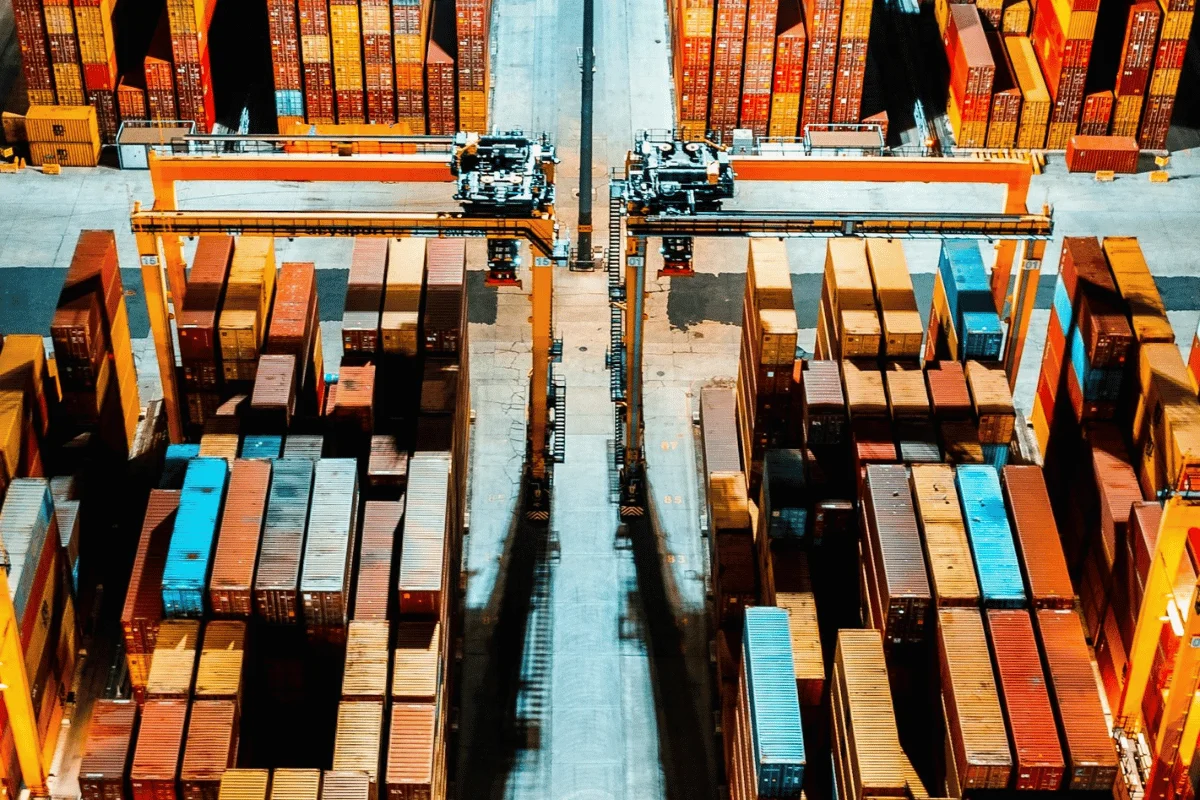
Step 1: Setting Up and Understanding Your Import Strategy From India
A successful import process from India should begin with a solid, well-planned strategy. Whether you’re still researching potential suppliers or have already made connections through trade shows or networking, this initial phase lays the groundwork for long-term success.
Key Stakeholders in the Import Process
Understanding the roles of each participant in the import process will help you navigate the complexities more effectively:
- Buyer/Importer: That’s you. Your responsibilities include sourcing products, negotiating terms, making arrangements for shipping, and ensuring compliance with import regulations in your home country.
- Seller/Indian Manufacturer: Your supplier in India who produces or distributes the products you need. They’re responsible for meeting quality standards and preparing goods for export.
- Sourcing Agent (Optional): They can help you find reliable manufacturers, negotiate favorable terms, and navigate cultural or communication challenges. You may find them especially useful if this is your first time dealing with the Indian business landscape.
- Indian Customs: The government agency overseeing exports from India, ensuring compliance with local regulations and proper documentation.
- Customs in the USA or Canada: Agencies that enforce import regulations, verify documentation, and assess duties and taxes.
- Carriers: This category includes transportation providers such as ocean carriers, air freight companies, and trucking services.
- Digital Freight Forwarder: A trusted partner that helps you manage your entire shipping process, provides shipping options, coordinates with suppliers and carriers, submits documentation, handles customs clearance, and offers additional value-added services to streamline your import process.
Failing to understand the roles of each stakeholder can lead to confusion and inefficiencies in your supply chain. This is where working with a skilled digital freight forwarder makes a significant difference. As a strategic partner, they help simplify communication, reduce potential risks, and take care of numerous logistical tasks, allowing you to stay focused on growing your business.
Once you understand each player’s role in your import strategy, the entire process should become much easier and more manageable. Even complex supply chains can run smoothly when the right support is in place.

Step 2: Getting to Know the Indian Market
India offers a wide range of opportunities for importers, especially those seeking competitive pricing, skilled manufacturing, and strong global trade relationships.
As of 2025, the United States is currently India’s largest trading partner in terms of total trade volume, combining both imports and exports. This highlights the depth of economic ties between the two countries.
In 2024 alone, U.S. imports from India were estimated at $87.4 to $91.2 billion, depending on the source. India is especially known for its electrical and electronic equipment, precious stones and metals, industrial machinery, furniture, and a wide variety of textile and apparel products.
India’s manufacturing sector is well-suited for custom orders and small-batch production. Many suppliers offer the flexibility to adapt to specific product requirements, making it a practical choice for importers targeting niche markets or developing tailored product lines. But beyond these small-batch productions, India also supports large-scale manufacturing, offering a flexible and adaptable environment that can scale with your business goals.
When compared to other major sourcing hubs, India stands out for its widespread use of English in the business sector. This makes collaboration easier and communication more straightforward, especially when working through contracts, negotiations, and day-to-day operations.
Container Ports in India
To efficiently source and ship from India, it’s useful to have a basic understanding of the country’s port infrastructure. The largest and most commonly used container ports include:
- Jawaharlal Nehru Port (Nhava Sheva)
- Mundra Port
- Chennai Port
- Cochin (Kochi) Port
- Pipavav Port
- Visakhapatnam (Vizag) Port
You can explore more about India’s key ports in our full guide on major container ports in India.
Step 3: Negotiate Contracts and Incoterms with Your Seller in India
At this stage, you’ll want to finalize your agreement with your supplier or seller by clearly defining responsibilities, costs, and risks. This is where Incoterms come into play.
What Are Incoterms?
Incoterms, short for International Commercial Terms, are a set of rules developed by the International Chamber of Commerce (ICC) to clarify responsibilities in global trade. They outline who handles various aspects of the transaction, such as transportation, insurance, and risk management, providing a shared framework for both buyers and sellers.
Key Incoterms You Should Know
Incoterms consist of 11 standardized terms, which include:
- EXW (Ex Works)
- FCA (Free Carrier)
- FAS (Free Alongside Ship)
- FOB (Free On Board)
- CFR (Cost and Freight)
- CIF (Cost, Insurance, and Freight)
- CPT (Carriage Paid To)
- CIP (Carriage and Insurance Paid To)
- DAP (Delivered at Place)
- DPU (Delivered At Place Unloaded)
- DDP (Delivered Duty Paid)
Why Incoterms Matter When Importing From India
Negotiating the right Incoterms is essential when importing from India, as it defines the responsibilities between you and your supplier. These terms clarify who handles each part of the process, including export procedures, shipping costs, insurance, and customs clearance.
Some Incoterms, like DDP or DAP, place most of the responsibility on the seller. While this may sound convenient, it can leave you dependent on their logistics setup and limit your ability to compare shipping options or build a repeatable supply chain model.
One good example of an Incoterm where the buyer takes on more responsibility is FCA (Free Carrier). It’s a widely used structure in which the seller delivers the goods, cleared for export, to a location agreed upon in advance, often a warehouse, port, or carrier facility within India. From there, the buyer is in charge of the shipment, which includes booking the main carriage, securing cargo insurance if needed, handling import customs clearance, and coordinating the final delivery.
This buyer-centric approach, often carried out with the help of a trusted freight forwarder, gives you more control over transit times, carriers, and costs. It also allows you to build a flexible shipping process that can be reused across different suppliers, manufacturers, and even countries, supporting a more scalable and efficient sourcing strategy.
If you’d like to learn more about Incoterms and how they impact your imports, check out our comprehensive guide.
Step 4: Choose Your Shipping Options and Handle Logistics
To import goods from India successfully, you need to choose a shipping method that aligns with your timeline, budget, and the type of products you’re moving. The right choice will help you stay on schedule, control costs, and avoid unnecessary complications along the way.
Sea Freight: An Economical and Practical Solution
Shipping by sea is usually the most economical way to move large volumes of goods from India, especially when time isn’t a critical factor. It’s a common choice for importers sourcing items like furniture, textiles, machinery, and home goods.
Depending on how much you’re shipping, you’ll typically choose between:
- Full Container Load (FCL): You book an entire container for your goods. It’s ideal when your shipment can fill a 20- or 40-foot container. Since it’s not shared, it offers more control, fewer touchpoints, and generally faster delivery.
- Less than Container Load (LCL): Your goods are combined with shipments from other importers in the same container. You only pay for the space you use, making it cost-effective for smaller loads — though it may take longer due to extra handling and consolidation steps.
Transit times from India to the U.S. typically range from 28 to 67 days, depending on the origin, route, transshipments, and final destination.
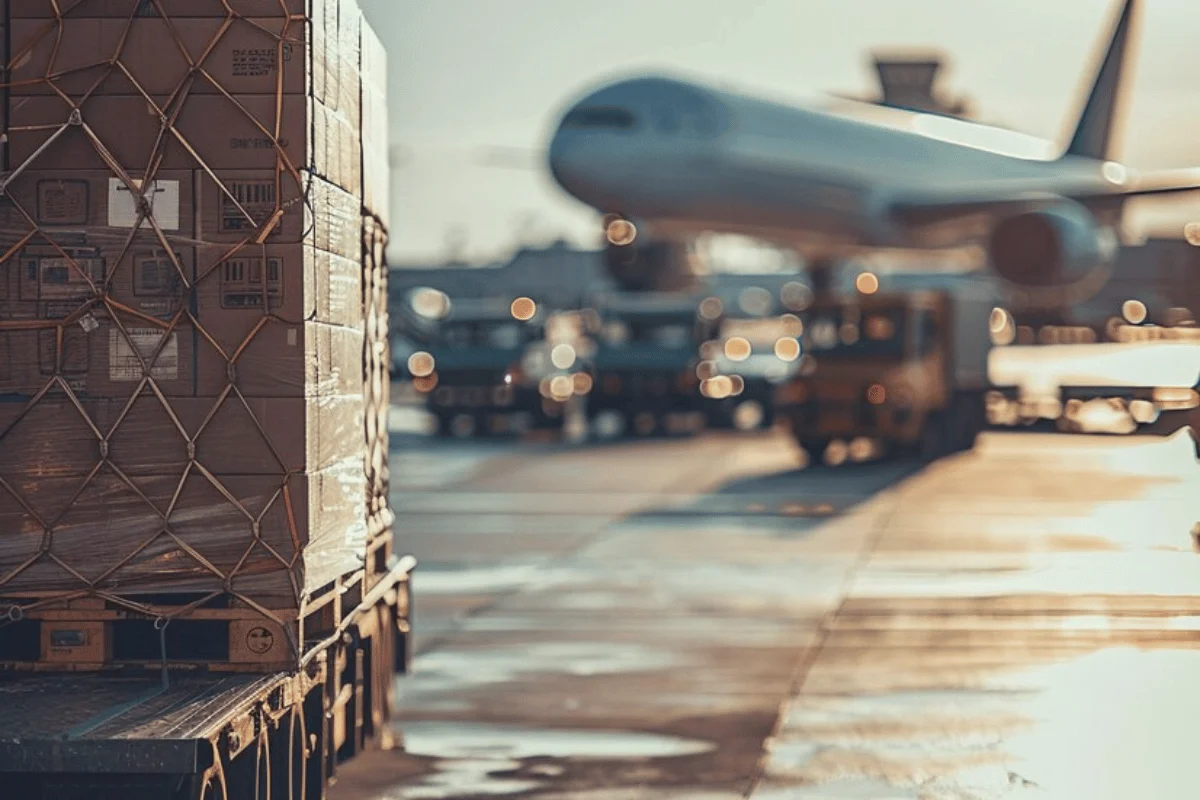
Air Freight: A Practical Solution for Urgent Shipments
Air freight can be a smart choice when you’re working with tight deadlines, restocking fast-moving products, or shipping high-value items like jewelry, electronics, or samples. It’s often used when timing matters more than cost.
For smaller shipments or last-minute orders from India, air freight gives you the speed and flexibility to keep things moving without delay. It’s not always the cheapest option, but it can help you stay responsive and maintain momentum when time is critical.
You can learn more about the difference between air and ocean freight here.
Understanding Intermodal and Multimodal Solutions for Indian Imports
For comprehensive shipping solutions from India, you may want to consider intermodal and multimodal transportation:
- Intermodal shipping involves using different transport modes (such as trucks within India, sea freight across the ocean, and rail or trucks in the destination country) with separate contracts for each leg of the journey. This offers flexibility when importing from inland manufacturing centers in India that aren’t near major ports.
- Multimodal shipping uses a single contract for the entire journey, combining various transportation methods under one service provider. This can streamline the process of importing from remote regions of India by providing door-to-door shipping and end-to-end logistics management.
Delivery Options: Tailoring Your Indian Imports to Your Needs
When importing goods from India, your freight forwarder can provide you with a variety of delivery options to suit your preferences and requirements:
- Port-to-Port: Your goods are transported from an Indian port to your destination port.
- Port-to-Door: Your shipment is picked up at an Indian port and delivered directly to your specified address in the destination country.
- Door-to-Door: A complete solution, where your goods are collected from your supplier’s location (or another agreed-upon location) in India and delivered directly to your warehouse or facility, with all transportation and customs handled for you.
Getting your goods from India doesn’t have to be all or nothing. Even with a basic port-to-port setup, you can still add services like customs clearance, cargo insurance, or pre-shipment inspections.
Some importers choose this approach because they already have local partners, in-house logistics teams, or trusted customs brokers. Ideally, it is important to develop a process that fits your operation, with the right support and no unnecessary complexity.
Securing Your Shipment with Cargo Insurance
Adding cargo insurance is a simple way to protect the value of your goods during international transit. It helps reduce financial risk in case of loss or damage and keeps your supply chain moving without costly surprises.
You can include insurance directly when booking your shipment with your freight forwarder, making it easy to manage everything in one place.
Pre-Shipment Inspections: A Smart Way to Prevent Unnecessary Surprises
For importers seeking extra assurance, pre-shipment inspections help verify product quality and ensure your goods meet order specifications, proper packaging standards, and destination market requirements. This is especially useful when working with new suppliers or placing custom orders.
By catching potential issues early, inspections can reduce delays, avoid compliance setbacks, and give you more control over your supply chain.
Freight forwarders like Ship4wd can coordinate these inspections directly with your supplier, adding an extra layer of confidence before your goods leave the facility.
Step 5: Import Regulations and Customs Duties When Importing Goods from India
To successfully import from India, you’ll need to understand the customs regulations, duties, and taxes that apply in your destination country. Staying compliant helps keep your shipments moving without delays, additional charges, or unwanted surprises at the border.
Compliance Considerations When Importing from India to the USA and Canada
General Compliance Requirements
- Quotas and Restrictions: Some Indian goods may be subject to import limits. To avoid issues at customs, check the latest regulations with the US Customs and Border Protection or the Canada Border Services Agency.
- Tariff Classification: When importing goods, you must classify them according to your destination country’s system, which is based on the international Harmonized System (HS). In the US, this is called an HTS code; in Canada, it’s a modified 10-digit HS code. Your classification determines duty rates and may vary based on the product type and trade agreements.
- Labeling Requirements: Many products must meet country-specific labeling rules, including language, content, and origin markings.
- Product Safety Standards: Some imported goods may be subject to specific safety regulations in your destination country. This is particularly common with electronics, apparel, and certain products intended for children. Failing to comply with these standards can lead to delays, fines, or rejected shipments.
- Intellectual Property Rights: Double-check that your products don’t violate trademarks, patents, or copyrights protected in your destination market. Infringements can trigger customs seizures or legal complications.
Required Documentation When Importing from India
To ensure smooth customs clearance, prepare the following documents for your Indian imports:
- Bill of Lading (BOL) or Air Waybill (AWB): A transport document that acts as a contract between the shipper and the carrier, confirming receipt of the goods and outlining the terms of transport.
- Commercial Invoice (CI): A detailed document from your Indian supplier showing the products, quantities, and prices.
- Packing List (PL): A detailed breakdown of the shipment’s contents, including item quantities, weights, and dimensions.
- Certificate of Origin (COO): A document certifying that the goods were manufactured in India. It is used to determine import duties and additional compliance requirements related to the origin country.
- Import Licenses: Required for certain restricted or controlled items from India.
- Material Safety Data Sheet (MSDS/SDS): An essential document for shipping dangerous goods, for instance hazardous materials like lithium batteries.
US-Specific Documentation
- US Customs Bond: A guarantee to the US government that you will comply with all customs regulations and pay all duties and fees.
- Import Declaration: When bringing goods into the US, importers typically need to submit two key documents. CBP Form 3461 is used to request the initial release of cargo for delivery, while CBP Form 7501 provides the official entry summary, outlining shipment specifics for duty calculation and final customs clearance.
- Importer Security Filing (ISF): Required for ocean shipments, this must be filed 24 hours before the goods are loaded onto the vessel in India.
- ACE Import Manifest Documentation: Electronic submission of cargo details before arrival in the US. By doing so, it allows for a more advanced risk assessment and customs clearance.
- Dangerous Goods Declaration (DGD): A requirement for shipping dangerous goods to guarantee they’re handled and transported safely.
Canada-Specific Documentation
- Canadian Customs Bond (D120): Also known as Form D120, this bond is typically required by the CBSA to guarantee that duties, taxes, and import regulations are properly fulfilled by the importer.
- Business Number (BN): In order to import goods into Canada, you must obtain a Business Number (BN) provided by the Canada Revenue Agency (CRA). This number is required for all transactions related to imports and customs filings.
- Canadian Import Control List (ICL) Compliance: Certain goods are controlled by ICL and will require specific import permits.
- Canada Customs Invoice (CCI): It is required for commercial shipments valued over CAD 3,300.
- ACI eManifest: Advanced electronic submission of cargo information for risk assessment and customs clearance purposes.
How Freight Forwarders Facilitate Customs Clearance for Imports
When importing from India, your freight forwarder can handle documentation, ensure compliance, and submit the necessary paperwork on your behalf. This helps streamline customs clearance and minimize potential delays.

Ship4wd: Your Trusted Partner for Importing Goods From India
Importing goods from India doesn’t have to be complicated, especially with Ship4wd as your logistics partner. With our expertise, we simplify the import process, offering a range of solutions for importing goods from India to North America and beyond.
Here’s how we make importing from India easier for your business:
- Air and Ocean Freight: We offer air freight for urgent shipments or ocean freight with Full Container Load (FCL) and Less than Container Load (LCL) options, all customized to match your budget and timeline requirements.
- Customs Clearance: We handle customs clearance and documentation submission on your behalf, navigating the complexities of importing from India to ensure compliance with relevant regulations.
- Cargo Insurance: We provide comprehensive cargo insurance options, giving you peace of mind throughout the entire shipping process.
- Pre-Shipment Inspections: With our pre-shipment inspections, you can ensure that your merchandise, packaging, and labeling comply with all quality and compliance requirements before they are shipped out of India.
- Advanced Tracking: Follow the progress of your cargo’s journey from India to your destination.
- Secure Transactions: We offer a variety of secure payment methods, which include credit card, wire transfer, and ACH debit.
- Financial Flexibility: For eligible businesses, we offer financing options that help you maintain steady inventory flow while optimizing cash reserves.
Need help? Our support team is available 24/7 to answer your questions, help you track your shipments, and make sure you’re getting the most out of the platform. You can reach us anytime by chat, email, or phone.
Let us handle the complexities of international shipping while you focus on growing your business. Sign up with Ship4wd today to streamline your imports from India.